• Skip to primary navigation
  • Skip to main content
  • Skip to primary sidebar

Carnegie Museum of Natural History

One of the Four Carnegie Museums of Pittsburgh

  • Visit
    • Buy Tickets
    • Visitor Information
    • Exhibitions
    • Events
    • Dining at the Museum
    • Celebrate at the Museum
    • Powdermill Nature Reserve
    • Event Venue Rental
  • Learn
    • Field Trips
    • Educator Information
    • Programs at the Museum
    • Bring the Museum to You
    • Guided Programs FAQ
    • Programs Online
    • Climate and Rural Systems Partnership
  • Research
    • Scientific Sections
    • Science Stories
    • Science Videos
    • Senior Science & Research Staff
    • Museum Library
    • Science Seminars
    • Scientific Publications
    • Specimen and Artifact Identification
  • About
    • Mission & Commitments
    • Directors Team
    • Museum History
  • Tickets
  • Give
  • Shop

We Are Nature

November 1, 2022 by Erin Southerland

Carnegie Museum of Natural History Launches New “We Are Nature” Podcast Series, Exploring Natural Histories and Livable Futures

Series Introduces Listeners to Climate Action Conversations and Strategies in Southwestern Pennsylvania

Featuring Interviews with Radiolab’s Jad Abumrad and US House Candidate Summer Lee

Hosted and Produced by Pittsburgh-Based Artist and Filmmaker Michael Pisano
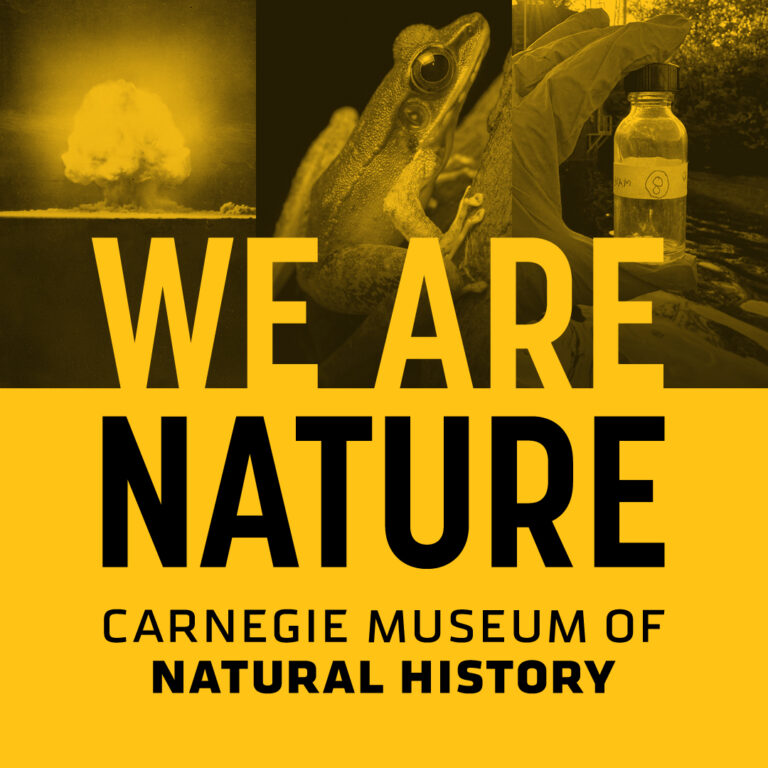
cover art for the We Are Nature podcast

Carnegie Museum of Natural History (CMNH) announces the launch of its new podcast series, We Are Nature, with the first episodes available now. The new series, comprised of 11 regular episodes and several bonus episodes, features 30 interviews with museum researchers, organizers, policy makers, farmers, and science communicators about climate action in Southwestern Pennsylvania. The goal of the series is to share how humans can create–and are already working towards–a livable, just, and joyous future. 

The series is created, produced, and hosted by Pittsburgh-based filmmaker and environmental educator Michael Pisano. Science communicator and former CMNH program manager Taiji Nelson joins as co-host and co-producer. Field reporters Di-ay Battad, David Kelley, and Jamen Thurmond round out the production crew. 

The first episode, entitled “This Is an Emergency, Not an Apocalypse,” featuring interviews with Radiolab creator Jad Abumrad and CMNH Curator of Anthropocene Studies Dr. Nicole Heller, is available now along with a bonus episode, “We Can Fix This,” delving into effective climate change communication strategies. The second episode, “Steel City,” featuring an interview with US House of Representatives Candidate Summer Lee, will be available on November 4.  
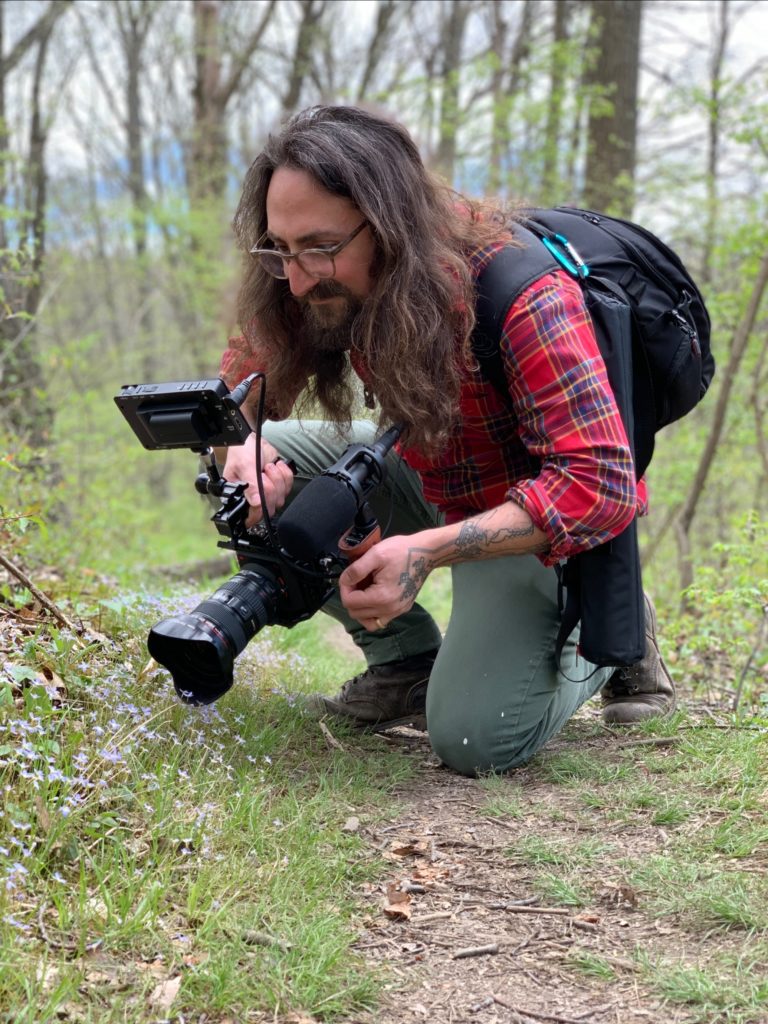
person crouched down outdoors holding a camera
Host and Producer Michael Pisano
person posing for a photo with a bicycle
Producer and Co-Host Taiji Nelson

“These stories show many diverse ways people are working together on the frontlines of climate change mitigation, adaptation, and justice,” said Pisano. “You’ll hear from people who grow our food, protect our greenspaces, and fight polluting industries. For me, their stories are a vital reminder that we aren’t doomed, and that getting involved with local issues like air quality is connected to making a difference globally.”
 
All episodes will be available at https://carnegiemnh.org/learn/we-are-nature-podcast/ and on Apple Podcasts, Amazon Music, Spotify, and Stitcher. The podcast We Are Nature follows CMNH’s successful A Is for Anthropocene podcast series and builds upon the museum’s We Are Nature exhibition series. 
 
About the Hosts and Contributors
 
Host Michael Pisano’s first career aspiration was to be a dinosaur. Thirty-five-ish years later, he makes films about sustainability and solidarity. He also makes fantasy games about collaboration in the face of doom. Michael fell in love with Pennsylvania’s forests as an undergrad at Carnegie Mellon and has called Pittsburgh home for nearly 20 years since. In We Are Nature, his experiences as a teacher, documentary filmmaker, and climate justice organizer meet his passions for ecology and natural history; as a host, Michael works to draw connections between science, history, ethics, and a livable future.
www.pisanofilms.com
 
Producer and Co-host Taiji Nelson studies Learning Sciences and Human Development at the University of Washington (Seattle), but lived in Pittsburgh from 2006-2022 and grew up in the Allegheny National Forest. He is passionate about developing ways to promote solidarity between the environmental movement and other justice movements, and facilitating learning environments that help people answer big questions about taking action toward climate justice.
Filed Under: Press Release Tagged With: Anthropocene, climate change, Michael Pisano, podcast, Science News, Taiji Nelson, We Are Nature, We Are Nature 2

October 27, 2022 by

We Are Nature Podcast

Season two out now!

We Are Nature thumbnail in black and yellow

The We Are Nature podcast features stories about natural histories and livable futures presented by Carnegie Museum of Natural History. Host Michael Pisano, a Science Storyteller, and invited guests discuss how humans can create–and are already working towards–a livable, just, and joyous future. 

Season one, which premiered in October 2022, centers on collective climate action through 30 interviews with museum researchers, organizers, policy makers, farmers, and science communicators about climate action in Southwestern Pennsylvania. Guests include Radiolab’s Jad Abumrad, US Representative Summer Lee, and Daniel G. and Carole L. Kamin Director of Carnegie Museum of Natural History Gretchen Baker, among others. 

Season two delves deep into Carnegie Museum of Natural History’s collection of more than 22 million objects and specimens. Fourteen Carnegie Museum of Natural History experts as well as special guests from Three Rivers Waterkeeper and the Royal Ontario Museum discuss collection items as windows into the science and ethics of the Anthropocene, a term for our current age, defined by human activity that is reshaping Earth’s climate and environments. What’s more, museum visitors will have the chance to hear clips from and see some of the objects discussed in episodes from season two inside our newest exhibition, The Stories We Keep: Bringing the World to Pittsburgh. 

Listen to Season 1 and Season 2 of the podcast below or on major podcast platforms including Apple and Spotify.


Season 1

Episode 1: This is an Emergency, Not an Apocalypse (with Jad Abumrad)

Release date: October 26, 2022

Why is it so hard to talk about climate change without plunging into an anxious doomscroll? How can we change the ways that we talk about the story of life on earth to emphasize hope over despair, and collaboration over competition? Featuring Radiolab’s Jad Abumrad and Nicole Heller, Associate Curator of Anthropocene Studies for Carnegie Museum of Natural History.


Bonus Episode: We Can Fix This

Release date: October 31, 2022

A behind-the-scenes chat between Taiji Nelson, Senior Program Manager for the museum’s Climate and Rural Systems Partnership (CRSP) and podcast producer, and Michael about effective climate change communication, plus our goals, hopes, dreams, and terrors for this first season.


Episode 2: Steel City (with Summer Lee)

Release date: November 4, 2022

Why should Pittsburghers care about climate change? What’s happening in our backyard, and how does it connect to the big picture? U.S. Representative Summer Lee joins us to talk about environmental racism, intersectional climate justice, and much more. Host Michael pops in and out with the natural history (and livable future?) of steel.


Episode 3: Carbon and Cattle

Release date: November 11, 2022

Monoculture is messing up the climate. Befriending biodiversity–especially in the soil– can help! Featuring interviews with Michael Kovach (Regenerative Farmer & President of the PA Farmers Union) and Dr. Bonnie McGill (an Ecosystem Ecologist).


Episode 4: Coal Country

Release date: November 18, 2022

There are less than 5,000 coal jobs left in the state of Pennsylvania, and that number is shrinking. That’s good news for the climate, but what’s next for the commonwealth’s coal communities? Join organizers from the Mountain Watershed Association for insight on building community, protecting public health, and creating new opportunities. Plus, the natural history of coal, water quality watchdogging, and much, much more! Featuring Ashley Funk, Executive Director of Mountain Watershed Association; Stacey Magda, Community Organizer with Mountain Watershed Association; and Eric Harder, Youghiogheny Riverkeeper with Mountain Watershed Association.


Episode 5: Mining and Microbes

Release date: November 25, 2022

Carla Rosenfeld, Assistant Curator of Earth Sciences at Carnegie Museum of Natural History, studies how pollutants and nutrients behave in environments like abandoned minelands, of which Pennsylvania has many. We chat about interspecies collaboration, soil science, the importance of diversity, and much more.


Episode 6: Bridges and Bivalves

Release date: December 2, 2022

Some freshwater mussels can live for over 100 years! During that time, they filter water and improve aquatic ecosystems. Today’s episode is about how aquatic life intersects with the human world. We’ll learn about everything from mussel charisma to climate-proofing infrastructure. Featuring Eric Chapman, Director of Aquatic Science at the Western PA Conservancy.


Episode 7: Food is Nature

Release date: December 9, 2022

Our globalized food system is already feeling the impacts of climate change. Today’s episode shows how decentralizing that food system can help us both be more resilient to extreme weather, and lessen industrial agriculture’s harmful effects. Featuring interviews with urban farmers at Braddock Farms.


Episode 8: Teens in the Wild

Release date: December 16, 2022

By taking care of greenspace, we care for ourselves. Hear about best practices for getting young people involved in land stewardship, and about how fostering a relationship with the outdoors is essential climate action. Featuring Naturalist Educator Nyjah Cephas and two of her students from the Pittsburgh Parks Conservancy’s Young Naturalists program.


Episode 9: Empowerment, Employment, Environment

Release date: January 6, 2023

How are labor and climate related? Today’s episode is all about supporting workers as the climate changes, and about work that supports climate action. Learn about labor history, a just transition, doughnuts and degrowth. Featuring Landforce’s Executive Director Ilyssa Manspeizer and Site Supervisor Shawn Taylor.


Episode 10: Greenways

Release date: January 13, 2023

Tiffany Taulton is a climate policy expert, community organizer, professor of environmental justice, and one of the authors of Pittsburgh’s Climate Action Plan. She joins the show to talk about how our region is preparing for climate change, how that resilience benefits public health, and how climate action can embrace justice and equity.


Episode 11: A Conservation Conversation

Release date: January 20, 2023

Biodiversity is key to our resilience as the climate changes. Our guest today is Conservation Biologist Charles Bier, Senior Director of Conservation Science at the Western Pennsylvania Conservancy. Charles has nurtured a deep relationship with Pennsylvanian nature since he was a six-year-old walking around with snakes in his pockets, and has spent his career trying to preserve our wonderful woods, wetlands and waterways.


Episode 12: Bee Kind

Release date: January 27, 2023

Bugs make the world go around. Well, bugs and fungi. And bacteria. And algae. And…ok, it’s all important. We humans rely on many tiny neighbors, and now more than ever, their future relies on us. Come along on a visit to Pittsburgh’s Garfield Community Farm, and travel back to the Cretaceous to learn about the origins of flowers. Featuring the farm’s Community Engagement Coordinator AJ Monsma, youth farmer Israel, and Israel’s friend Tommy the Bee.


Episode 13: We Are the Future

Release date: February 10, 2023

On today’s show, the last episode of Season 1, we look ahead at possible futures. Join us in imagining a planet with space and dignity for all earthlings. Featuring Daniel G. and Carole L. Kamin Director of Carnegie Museum of Natural History Gretchen Baker, Curator of Anthropocene Studies Nicole Heller, and Educator Taiji Nelson from Carnegie Museum of Natural History.


Season 2

Episode 1: A Thin Dusting of Plutonium

Release date: November 7, 2025

What is the Anthropocene, and when might it have started? What is the great acceleration? Can we expect, or engineer, a great deceleration? What can we learn from nuclear history about nuclear futures? Featuring Travis Olds, Assistant Curator of Minerals at Carnegie Museum of Natural History, and Nicole Heller, Associate Curator of Anthropocene Studies at Carnegie Museum of Natural History. Encounter Trinitite glass, mentioned in this episode, in the exhibition The Stories We Keep: Bringing the World to Pittsburgh.


Episode 2: Experimental Archaeology

Release date: November 14, 2025

What do we know about the early peopling of our continent and our region? What was the landscape and the climate like then? What can we learn from this natural history about interacting with the land and water today, and moving forward as good stewards? Featuring Amy Covell-Murthy, Archaeology Collection Manager and Head of the Section of Anthropology at Carnegie Museum of Natural History, and Kristina Gaugler, Anthropology Collection Manager at Carnegie Museum of Natural History.


Episode 3: The Institute of Insect Technology

Release date: November 21, 2025

What surprising biodiversity lives alongside us here in Pittsburgh? How can we befriend bugs? What could be awesome about having humans as neighbors? Featuring Ainsley Seago, Associate Curator of Invertebrate Zoology at Carnegie Museum of Natural History, and Kevin Keegan, Collection Manager of Invertebrate Zoology at Carnegie Museum of Natural History.


Episode 4: Hell Chicken Extinction

Release date: December 5, 2025

What dinosaurs and mammals survived the end of the Cretaceous, and why? What can we learn about resilience from survivors of past extinctions? What can we learn about adapting our culture and cities from the story of evolution? Featuring Matt Lamanna, Mary R. Dawson Curator of Vertebrate Paleontology at Carnegie Museum of Natural History, and John Wible, Curator of Mammals at Carnegie Museum of Natural History.


Episode 5: Loss in Lutruwita

Release date: December 12, 2025

A second serving of bone banter with two of the museum’s veteran vertebrate virtuosos. How are charisma, colonialism, and extinction linked? What is de-extinction, and will cloning mammoths save the tundra? Featuring Matt Lamanna, Mary R. Dawson Curator of Vertebrate Paleontology at Carnegie Museum of Natural History, and John Wible, Curator of Mammals at Carnegie Museum of Natural History.


Episode 6: Herbaria for Humanity

Release date: December 19, 2025

How do humans support some plants and endanger others? What do herbaria teach about climate change? How can people and plants collaborate towards livable futures? Featuring Mason Heberling, Curator of Botany at Carnegie Museum of Natural History, and Bonnie Isaac, Collection Manager of Botany at Carnegie Museum of Natural History.


Episode 7: A Real Good Slime

Release date: December 26, 2025

What would a snail scientist do with a blank check? What can we learn from snails and their kin? Why is the ocean getting more acidic, how do we know, and why does that matter? Featuring Tim Pearce, Curator of Mollusks at Carnegie Museum of Natural History.


Episode 8: Dirty Birds

Release date: January 2, 2026

How does urbanization impact nonhumans? What can we learn from Pittsburgh’s past and present air quality challenges? How do we make space for biodiversity in cities? Featuring Serina Brady, Collection Manager of Birds at Carnegie Museum of Natural History, and Jon Rice, Urban Bird Conservation Coordinator at Carnegie Museum of Natural History.


Episode 9: Jar of Frogs

Release date: January 9, 2026

Why is the museum hoarding alcoholic pickle jars? What kinds of research are made possible by the museum’s herpetology collection? How are organisms changing because of climate change, urbanization, and other anthropogenic pressures? Featuring Jennifer Sheridan, Associate Curator of Amphibians and Reptiles at Carnegie Museum of Natural History. Encounter frog specimens from Borneo mentioned in this episode in the exhibition The Stories We Keep: Bringing the World to Pittsburgh.


Episode 10: A Very Important Popsicle

Release date: January 16, 2026

What can we learn from lakes about livable futures? How can people in the Anthropocene find optimism and be moved to climate action? Featuring Soren Brothers, the Allan and Helaine Shiff Curator of Climate Change at the Royal Ontario Museum.


Episode 11: Pellets, Pellets Everywhere

Release date: January 23, 2026

What are plastics and how are they made? How do they get into our waterways? How do novel materials like plastics define the age we live in? What materials might replace them? Featuring Nicole Heller, Curator of Anthropocene Studies at Carnegie Museum of Natural History, and Heather Hulton VanTassel, Executive Director of Three Rivers Waterkeeper. Encounter nurdles, small plastic pellets, mentioned in this episode in the exhibition The Stories We Keep: Bringing the World to Pittsburgh.

Credits

Host, Writer, and Editor: Michael Pisano
Assistant Editor: Garrick Schmitt
Audio Recording: Matthew Unger and Garrick Schmitt
Voice Talent: Mackenzie Kimmel
Music: DJ Thermos
Producer: Nicole Heller
Producer: Sloan MacRae
Producer and Co-host (season one): Taiji Nelson
Field Reporters (season one): Di-ay Battad, David Kelley, and Jamen Thurmond

Filed Under: Uncategorized Tagged With: Anthropocene, climate, climate action, climate change, conservation, justice, nature, podcast, We Are Nature

October 16, 2019 by wpengine

Buried histories, alternative histories, toward a clean and just future

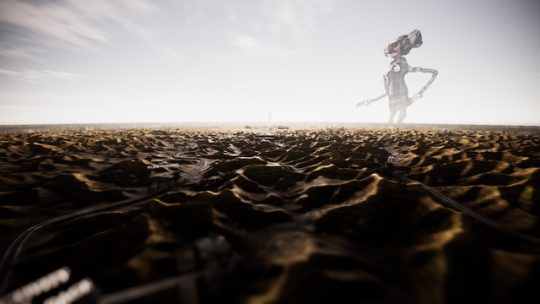
Image from Fire Underground, Nick Crockett, 2019

As part of ongoing Anthropocene engagement at the Carnegie Museum of Natural History, we aim to support transdisciplinary conversations about urgent issues facing our community. Through dialogue we hope to spur creative exploration about the interconnectivity of nature and people across time, and thinking towards a clean and just future.

Toward this goal, we are super excited to host our inspiring colleagues from The Natural History Museum next week, October 23 – 26, in Pittsburgh as part of their event series, Power Beyond Extraction. The series examines power in terms of both energy and the people power needed to bring about the just transition to a clean energy economy.  The Natural History Museum and the House of Tears Carvers of the Lummi Nation collaborated with us two years ago in producing a powerful program and exhibition about indigenous leadership in US struggles to protect land and water, entitled, Kwel’ Hoy: We Draw the Line!

Next week’s event series is organized to coincide with the Shale Insight Conference, an annual convening and conversation about the future of energy that is hosted by the petrochemical industry. Power Beyond Extraction invites community leaders, activists, artists, and scholars to contribute to this conversation of regional, international, and inter-generational importance.

At the Carnegie Museums of Art and Natural History, we are co-hosting two events in the series.

First, on Thursday evening, October 24 in the CMOA theater from 6 – 8:30 p.m. join us in a free community conversation. A Buried Conversation is planned to kick-off with a selection of coal mining songs performed by labor leader and professional musician Joe Uehlein. Then Uehlein along with a selection of other coal scholars and activists will join together for a panel discussion about the joint history of coal and the history of labor. Exploring how the long struggle for work with dignity can inform a just transition that supports both clean energy and good jobs.

Second, please join us from 2 – 4 p.m. on Saturday October 26, for another free event and special dialogue held in the CMOA theater. We will be screening Fire Underground, a feature length fantasy animation presenting an alternative history of coal. After the screening, the artist, Nick Crockett will be there to discuss the film in dialogue with CMNH’s Director of Science and Research, Steve Tonsor, and art historian and member of The Natural History Museum, Steve Lyons.

I was especially inspired to share Fire Underground at our museum after Nick told me about his time hanging out in the galleries and the influence that the experience had in spurring his imagination and making this film. You can spot the inspired critters and landscape in the eerily familiar and unfamiliar world Crockett animates to journey through layers of deep time from ancient carboniferous forests to the speculative present.

Nicole Heller is Curator of the Anthropocene for Carnegie Museum of Natural History. Museum employees are encouraged to blog about their unique experiences working at the museum.

Filed Under: Blog Tagged With: Anthropocene, Nicole Heller, We Are Nature

January 17, 2019 by wpengine

Fish Story

by Patrick McShea

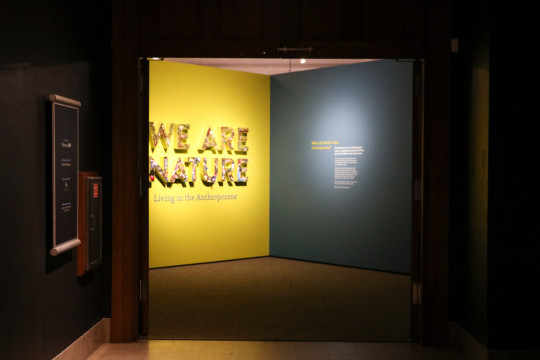
entrance to We Are Nature exhibition

Museum educators who helped interpret We Are Nature: Living in the Anthropocene during the ground-breaking exhibition’s ten-month run now pay close attention to explanations of Anthropocene-related themes. When exceptional examples are encountered, we feel compelled to share them.

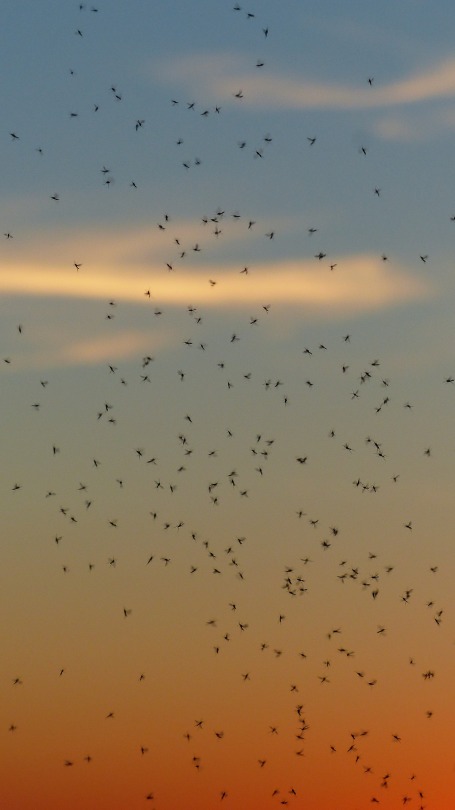
Recently, in a New York Times article about how a decades-long decline in insect populations is now causing alarm, author Brooke Jarvis addresses the apparent invisibility of environmental degradation that occurs over generations.

She presents the term “shifting baseline syndrome” for the phenomenon, and by way of memorable example summarizes the results of an unusual research study from 2008.

Marine biologist Loren McClenachan, of the Scripps Institute of Oceanography, quantified the decline of fish associated with Florida Keys coral reefs by examining historic photos, 1956 – 2007, of the sportfishing customers and catches of three long established charter boat companies.

Although smiles remained consistent across the decades, prize fish got considerably smaller. As Jarvis notes in her summary, “The world never feels fallen, because we grow accustomed to the fall.”

mosquitos at sunset - insect apocalypse

For more details, check out Brooke Jarvis’ full article, The Insect Apocalypse Is Here.

Patrick McShea works in the Education and Visitor Experience department of Carnegie Museum of Natural History. Museum employees are encouraged to blog about their unique experiences and knowledge gained from working at the museum.

Related Content

Fish and the Fourth of July?

Rising Through the Educator Ranks

Stage and Screen Sharing

Carnegie Museum of Natural History Blog Citation Information

Blog author: McShea, Patrick
Publication date: January 17, 2019

Share this post!

  • Share on Twitter Share on Twitter
  • Share on Facebook Share on Facebook
  • Share on Pinterest Share on Pinterest
  • Share on LinkedIn Share on LinkedIn
  • Share on Reddit Share on Reddit
  • Share via Email Share via Email

Filed Under: Blog Tagged With: Anthropocene, fish, Pat McShea, We Are Nature, We Are Nature: Living in the Anthropocene

September 4, 2018 by wpengine

Smoke Scenery

by Pat McShea

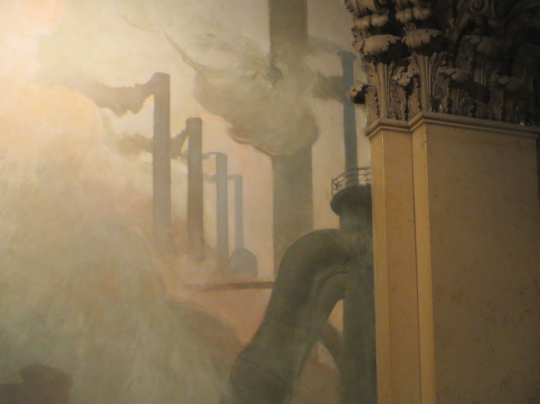
Detail from The Apotheosis of Pittsburgh mural by John White Alexander

A museum educator from Norway offered a novel way to interpret We Are Nature: Living in the Anthropocene. “This should be part of the story.” explained Bergsveinn Thorssonas he gestured at century-old steel industry scenes depicted in second-floor portions of the multi-level grand staircase mural painted by John White Alexander.

Thorsson, a PhD student who is studying how museums present current environmental issues, was fascinated by the smoky scenes and their marble pillar frames. “Owning our industrial history is important to understanding our current situation.” he added before conceding that he didn’t have advice for accomplishing such a task.

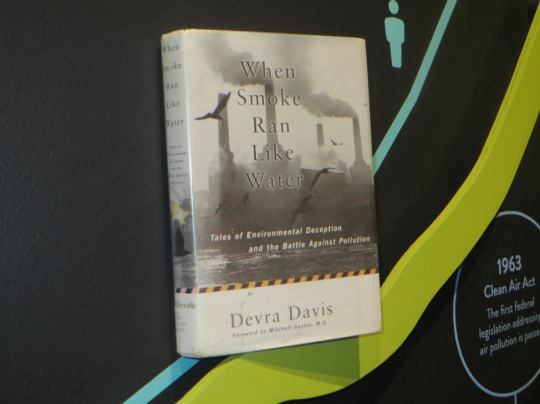
A copy of When Smoke Ran Like Waterpositioned at the 1948 mark on the population and atmospheric carbon level graph in We Are Nature
A copy of When Smoke Ran Like Water positioned at the 1948 mark on the population and atmospheric carbon level graph in We Are Nature

Since 2002, an excellent book-form model of industrial acknowledgement has existed in When Smoke Ran Like Water, by Donora, Pennsylvania native Devra Davis. The book, which Davis summarizes as an argument for “a fundamentally new way of thinking about health and the environment,” begins with a recounting of the most significant air pollution disaster in the United States – the build-up in Donora, some 25 miles southeast of Pittsburgh, during a five-day period in late October 1948, of a toxic fog of steel and zinc industry emissions that resulted in 20 deaths and 600 hospitalizations.

In Davis’s account, family histories, with all their hopes, accomplishments, and compromises, are central to the tragedy. A quote from her mother captures a common attitude toward the smoky scenery: “Look, today they might call it pollution. Back then it was just a living.”

Patrick McShea works in the Education and Visitor Experience department of Carnegie Museum of Natural History. Museum employees are encouraged to blog about their unique experiences and knowledge gained from working at the museum.

Filed Under: Blog Tagged With: Anthropocene, Pittsburgh, pollution, We Are Nature, We Are Nature 2, We Are Nature: Living in the Anthropocene

August 20, 2018 by wpengine

The Company We Keep

By Steve Tonsor

bird specimen

2500 years ago, Aesop wrote “We are known by the company we keep.” We experience the truth of this aphorism every day in our communities.  Have you ever considered that our communities include more than our human company? (If not, take a spin through our exhibit We Are Nature before it closes September 3.)

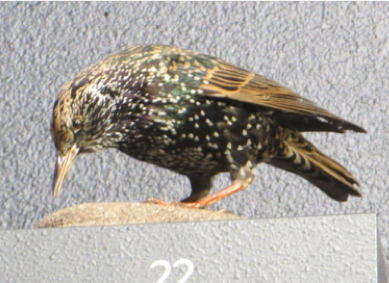
In recent times, we’ve talked as though we are walled off from the natural world, talking of “man vs. nature,” the “built urban landscape” vs. the “natural world.”  Yet, urban centers teem with life, not the same life to be found in a wilderness, but a rich and fascinating web of life nonetheless.  In fact, we aren’t even so numerically dominant in the urban ecosystem as we might think.  For example, common starlings, purposefully introduced birds, are ubiquitous in urban settings and according to biologist Menno Schilthuisen1 are now about equal in number with humans in North America.

In a less purposeful way, we’ve invited in all the creatures in our urban communities, by providing what is necessary for their survival.  The pigeons in our parks and urban squares were originally birds of Mediterranean and North African cliffs.  After humans began to dwell in those cliffs, and then constructed cliff-like buildings, the pigeons moved with us into the nouveaux cliffs of the urban ecosystem.  So it is with so many creatures, finding urban analogs to their wilder environments2.

urban nature - weeds

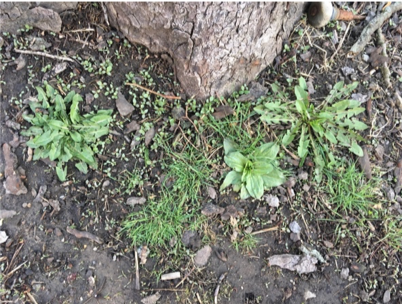
We have invited in weeds by providing niches, literally in the urban concrete, and so they decorate the urban wastelands with the reminder that life will find a way. Are not the untended spots of the city more beautiful when adorned with weeds than they would be if old doorknobs and cigarette butts were the only decorations?

Over time, more and more creatures find a way into the emerging urban ecosystem. Whose cities are these?  Our attitudes toward the new entrants has varied from laissez faire to downright hostile, yet these creatures are a reflection of our nature.  We are known by the company we keep. We could be more accepting of our guests, and more deliberate and intentional about how we live and what creatures we as a consequence invite into our community3.  Let’s talk about that.

21,Schilthuizen, Menno. 2018. Darwin Comes to Town: How the Urban Jungle Drives Evolution. MacMillan 304 pp. ISBN: 9781250127822

3 Cooper, C. B., J. Dickinson, T. Phillips, and R. Bonney. 2007. Citizen science as a tool for conservation in residential ecosystems. Ecology and Society 12(2): 11. [online] URL: http://www.ecologyandsociety.org/vol12/iss2/art11/

Steve Tonsor is Director of Science at the Carnegie Museum of Natural History. Museum employees are encouraged to blog about their unique experiences and knowledge gained from working at the museum.

Filed Under: Blog Tagged With: Anthropocene, We Are Nature

  • Page 1
  • Page 2
  • Page 3
  • Interim pages omitted …
  • Page 8
  • Go to Next Page »

sidebar

About

  • Mission & Commitments
  • Directors Team
  • Museum History

Get Involved

  • Volunteer
  • Membership
  • Carnegie Discoverers
  • Donate
  • Employment
  • Events

Bring a Group

  • Groups of 10 or More
  • Birthday Parties at the Museum
  • Field Trips

Powdermill

  • Powdermill Nature Reserve
  • Powdermill Field Trips
  • Powdermill Staff
  • Research at Powdermill

More Information

  • Image Permission Requests
  • Science Stories
  • Accessibility
  • Shopping Cart
  • Contact
  • Visitor Policies
One of the Four Carnegie Museums | © Carnegie Institute | Privacy Policy | Terms of Use | Accessibility
Rad works here logo