• Skip to primary navigation
  • Skip to main content
  • Skip to primary sidebar

Carnegie Museum of Natural History

One of the Four Carnegie Museums of Pittsburgh

  • Visit
    • Buy Tickets
    • Visitor Information
    • Exhibitions
    • Events
    • Dining at the Museum
    • Celebrate at the Museum
    • Powdermill Nature Reserve
    • Event Venue Rental
  • Learn
    • Field Trips
    • Educator Information
    • Programs at the Museum
    • Bring the Museum to You
    • Guided Programs FAQ
    • Programs Online
    • Climate and Rural Systems Partnership
  • Research
    • Scientific Sections
    • Science Stories
    • Science Videos
    • Senior Science & Research Staff
    • Museum Library
    • Science Seminars
    • Scientific Publications
    • Specimen and Artifact Identification
  • About
    • Mission & Commitments
    • Directors Team
    • Museum History
  • Tickets
  • Give
  • Shop

wpengine

August 18, 2021 by wpengine

Diet-wise, Snails are Like Cows, Not Bugs

by Timothy A. Pearce

When classifying organisms into broad categories, many people would group snails with insects rather than mammals. When it comes to diet, however, snails are much more like mammals than insects. That’s because, when choosing what to eat, insects tend to be specialists, while most mammals, and most snails, tend to be generalists. This pattern is especially striking when considering just herbivorous species.
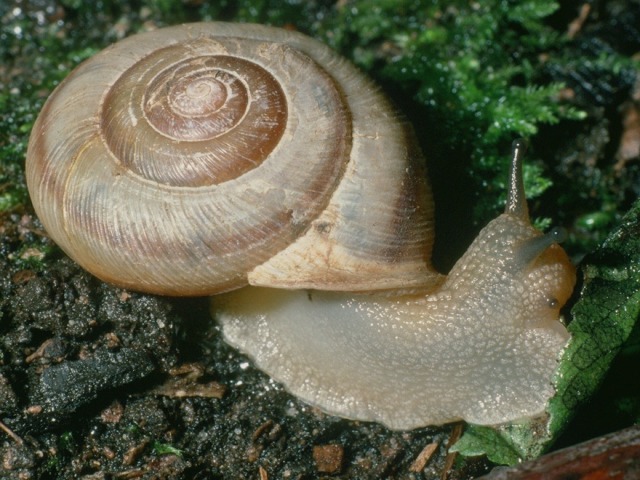
Snail eating a leaf
Webbhelix multilineata snail eating leaf.
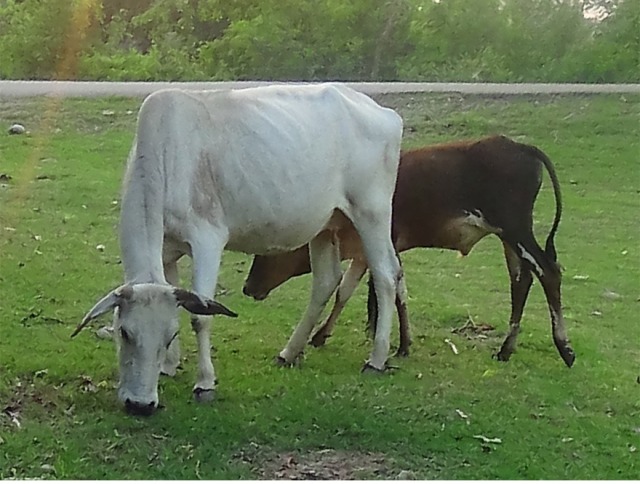
Two cows in a grassy field.
Cows eating grass. Image by Shubham Khatri, from Wikimedia Commons.

Many herbivorous insects specialize on eating one or a few species of plants, and most often within a single plant family. For example, when we think of tent caterpillars, we expect to see them on cherry trees. In the caterpillar life stage of butterflies and moths, 69% of species feed upon just a single family of plants. If you look at just tropical butterflies and moths found within 25 degrees of the equator, the figure rises to 83% (Forister et al. 2015). Herbivorous mammals, on the other hand, tend to be generalists, eating a wide variety of plants from numerous plant families. Snails, it turns out, have broad diets including a variety of plants from numerous plant families, making snails more like mammals than insects, at least in their diets.

Of course, there are exceptions. While most herbivorous mammals are generalists, two mammals are famous diet specialists. Can you think of them? Hint: one eats bamboo, the other eats Eucalyptus leaves. Did you come up with panda and koala? Good for you! Similarly, while most insects are diet specialists, sometimes we do hear about plagues of locusts that have broad diets, so they eat practically every green thing in sight.

Most plants make chemicals that are not directly involved in growth or other metabolic functions. Scientists call these chemicals secondary compounds. In fact, secondary compounds are responsible for many of the distinct aromas and tastes in the spices we rely upon to flavor our cooking. But why would plants bother making secondary compounds that don’t directly benefit the plant? The most common hypothesis for why plants make secondary compounds is to protect the plants from diseases or herbivores.

Herbivores have ways (e.g., enzymes) to detoxify or reduce the effects of plant chemical defenses. Herbivorous insects that specialize on a few related species of plants can, over evolutionary time, develop strategies that effectively detoxify the defenses of those plants. Sometimes co-evolution results, an ongoing process in which the plant will modify its secondary compound to be more toxic, then the insect will develop the ability to detoxify that, and so on. The plant’s arsenal of chemical defenses protects it from the vast majority of herbivorous insects, but not the insects that specialize on that particular plant group. For example, milkweed is fed on by only a very few insects, including monarch butterfly caterpillars, that have countered its defenses.
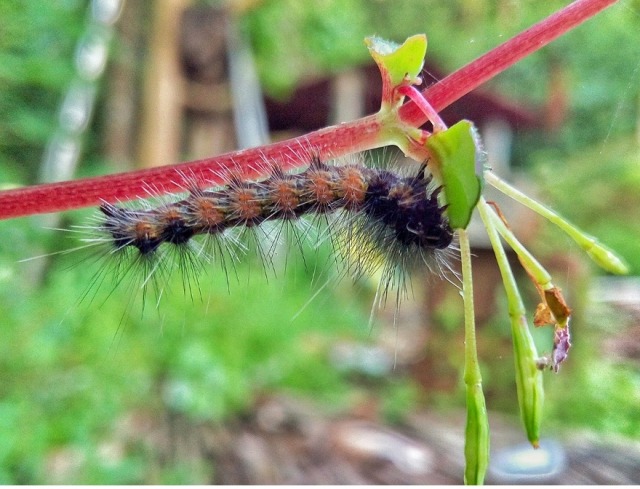
Caterpillar hanging upside down eating a leaf.
Caterpillar eating leaf. Image by Krishna A. Gopala, from Wikimedia Commons.

In contrast to specialist insect herbivores, mammals tend to eat a wide variety of plant species. Consequently, mammals need general detoxification strategies that will protect them from a variety of plant secondary compounds. Thanks to detoxification enzymes located mostly in our livers and kidneys (Freeland & Janzen 1974), we can enjoy eating a wide variety of tasty plants without being poisoned.

Like herbivorous mammals, herbivorous snails also have general detoxification strategies, which might account for their large livers, where most of the detoxification occurs.

Now you know one way that snails are more like cows than insects: their diet!

Here is a joke about snails eating:

Two snails were munching a tasty salad made with a large number of different plants. One of the snails accidently dropped one of the exotic leaves from the salad. The other snail said, “You can still eat it, use the five-hour rule.”

Timothy A. Pearce is the head of the Section of Mollusks at Carnegie Museum of Natural History. Museum employees are encouraged to blog about their unique experiences and knowledge gained from working at the museum.

Literature Cited

Forister, M.L., Novotny, V., Panorska, A.K., Baje, L., Basset, Y., Butterill, P.T., Cizek, L., Coley. P.D., Dem, F., Diniz, I.R., Drozd, P., Fox, M., Glassmire, A.E., Hazen, R., Hrcek, J., Jahner, J.P., Kaman, O, Kozubowski, T.J., Kursar, T.A., Lewis, O.T., Lill, J., Marquis, R.J., Miller, S.E., Morais, H.C., Murakami, M., Nickel, H., Pardikes, N.A., Ricklefs, R.E., Singer, M.S., Smilanich, A.M., Stireman, J.O., Villamarín-Cortez, S., Vodka, S., Volf, M., Wagner, D.L., Walla, T., Weiblen, G.D. & Dyer, L.A. 2015. Global insect herbivore diet breadth. Proceedings of the National Academy of Sciences, 112(2):442-447; DOI: 10.1073/pnas.1423042112

Freeland, W.J. & Janzen, D.H. 1974. Strategies in herbivory by mammals: the role of plant secondary compounds. American Naturalist, 108(961): 269-289.

Related Content

Eating Shipworms to Save the World

Ask a Scientist: What is the biggest snail?

Cuttlefish Pass Marshmallow Test

Carnegie Museum of Natural History Blog Citation Information

Blog author: Pearce, Timothy A.
Publication date: August 18, 2021
Share this post!

  • Share on Twitter Share on Twitter
  • Share on Facebook Share on Facebook
  • Share on Pinterest Share on Pinterest
  • Share on LinkedIn Share on LinkedIn
  • Share on Reddit Share on Reddit
  • Share via Email Share via Email

Share this post!

  • Share on Twitter Share on Twitter
  • Share on Facebook Share on Facebook
  • Share on Pinterest Share on Pinterest
  • Share on LinkedIn Share on LinkedIn
  • Share on Reddit Share on Reddit
  • Share via Email Share via Email

Filed Under: Blog Tagged With: mollusks, Science News, Tim Pearce

August 16, 2021 by wpengine

Watercolors

by Samhita Vasudevan

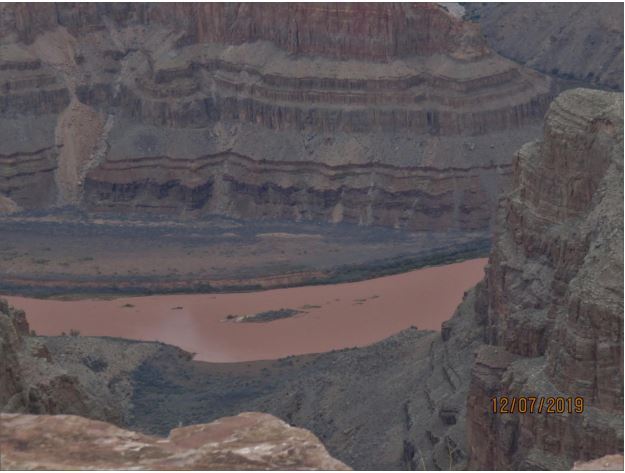
Smooth reds, muted oranges, and sandy browns painted the landscape that graced my sight. An overcast sky drizzled almost cautiously onto our heads, while the crunch of the rocky terrain echoed after every footstep, as my parents and I trekked up the precarious path on the West Rim of the Grand Canyon. It was early December of 2019, on the Hualapai Reservation, a site our family reached after a two-hour cellular-signal-less drive from Las Vegas.

River running through a canyon with a date stamp of 12/07/2019 in the lower right corner.

As we hiked up the path to the second and last stop of our tour, Guano Point (aptly named considering its history—In the 1930s the U.S. government spent about $3.5 million to extract the nitrogen-rich bat droppings), the terror I felt about being so close to plummeting down hundreds of feet evaporated when an opaque, red-colored Colorado River came into my view. Like a ribbon, it weaved through the towering cliffs, drawing everyone’s attention. Today, however, it was especially eye-catching: its striking color was unlike anything I’d ever seen before.

Prior to the completion of the Glen Canyon Dam in 1963, the reddish color of the Colorado was much more prominent. In fact, the Colorado River’s original name, El Rio Colorado, meaning “the reddish river,” came about when the first Spanish explorers to see the river encountered an even more vibrant red than I did. The river’s color is tied to the amount of sediment its water contains while flowing through the canyon. Since the dam’s construction, however, this color has been dulled severely, as the dam blocks much of the sediment from travelling further downstream. Most days, the river is a clear greenish-blue. The reddish-brown color I saw on my visit can most likely be credited to the rain stirring up the sediments earlier that day.

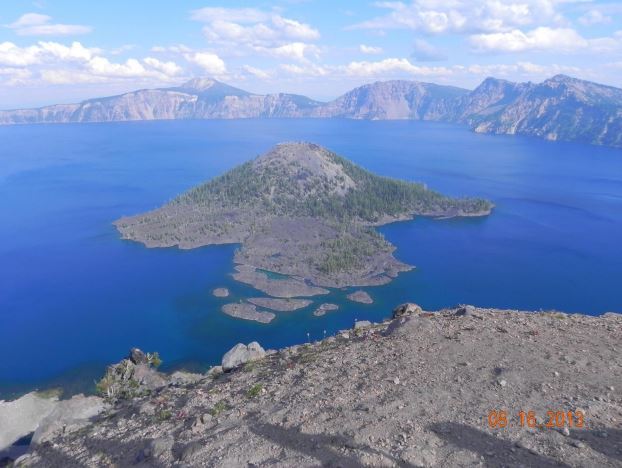
The subject of sediment reminded me of my other favorite National Park, Crater Lake. Unlike the Colorado River, this waterbody’s bright color is caused by a lack of sediment. In 2013, I found myself boating on possibly the most beautiful body of water I have ever seen: Crater Lake in southwestern Oregon. This roughly 5-mile-wide lake, which formed through the collapse of a volcano more than 7,000 years ago, has no tributaries, or smaller rivers flowing into it. In much of the world today, rivers and their tributaries are impacted by human activities, and the effects travel downstream. The reason Crater Lake has some of the cleanest water in the world is because most of its water comes from melted snow or rain. Being free from the inward flow of potentially contaminated water and sediments, Crater Lake maintains its clarity resulting in one of the deepest, brightest, blues.

Lake with hills and mountains.

As beautiful as both bodies of water are, they can only be protected through active efforts to preserve their sanctity. The Colorado River, a source of water for 40 million people, has been negatively impacted due to climate change, population growth, nearby natural resource exploitation, and the over-allocation of its flow for crop irrigation. Crater Lake has become increasingly at risk due to careless visitors who head onto the lake with items prohibited by the National Park due to their potential to pollute the pristine water. The pandemic has only heightened this chronic problem. Increased visitation has brought an increase in people, knowingly or unknowingly, bringing in prohibited items like wetsuits, kayaks, and innertubes. These materials could introduce non-native species that are known to hitchhike on watercraft, jeopardizing the lake’s ecosystem. Visitors to such natural beauties must accept some responsibility to keep these areas alive and well. These positive outcomes can only be achieved by following park guidelines and being conscious of one’s impact on the environment around them.

Samhita Vasudevan is a Teen Volunteer in the Education Department. Museum employees, volunteers, and interns are encouraged to blog about their unique experiences and knowledge gained from working at the museum.

Sources:

https://grandcanyonwest.com/explore/west-rim/guano-point/

Releasing a flood of controversy on the Colorado River

The American Nile

12 Things You Didn’t Know About Crater Lake National Park

Crater Lakes clear waters under threat

Related Content

Chasing Snails in the Great Smoky Mountains

Duck Bite

None Like it Hot

Carnegie Museum of Natural History Blog Citation Information

Blog author: Vasudevan, Samhita
Publication date: August 16, 2021

Share this post!

  • Share on Twitter Share on Twitter
  • Share on Facebook Share on Facebook
  • Share on Pinterest Share on Pinterest
  • Share on LinkedIn Share on LinkedIn
  • Share on Reddit Share on Reddit
  • Share via Email Share via Email

Share this post!

  • Share on Twitter Share on Twitter
  • Share on Facebook Share on Facebook
  • Share on Pinterest Share on Pinterest
  • Share on LinkedIn Share on LinkedIn
  • Share on Reddit Share on Reddit
  • Share via Email Share via Email

Filed Under: Blog Tagged With: climate change, Samhita Vasudevan

August 13, 2021 by wpengine

Magnificent Frigatebirds: The Flying Pirates of the Caribbean

by Nicholas Sauer

Fish and other aquatic animals aren’t the only ones who go splish-splash is an ocean biome. Let’s not forget our feathered friends, the birds. Today, we’ll be taking a closer look at one of the most conspicuous of all seabirds, the Magnificent Frigatebird (fregata magnificens), also known as the Man o’ War Bird.

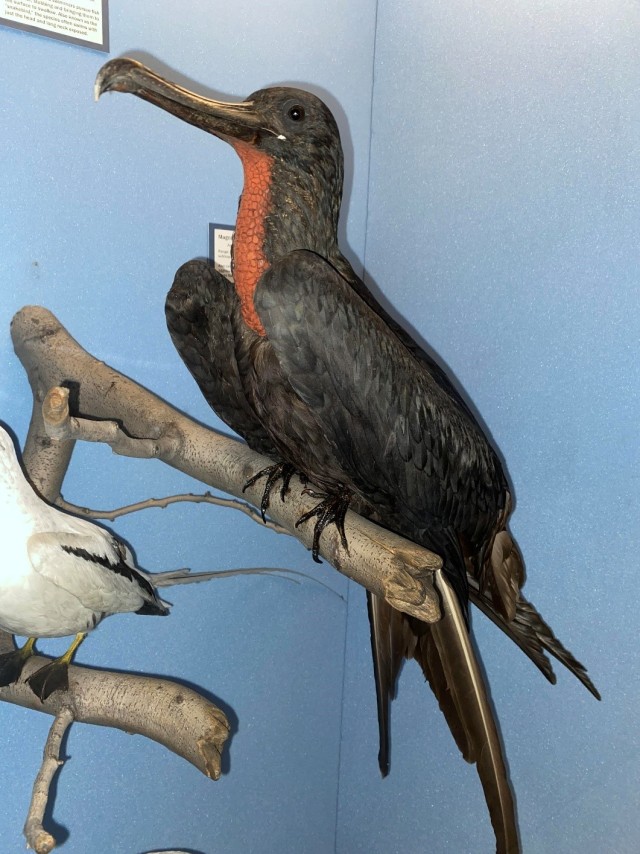
Frigatebird taxidermy mount in a museum
Did you know the museum has a frigatebird on display in Bird Hall?

These birds primarily live and breed on the islands of the Caribbean having been observed by scientists and bird watchers on the Marquesas Keys and Dry Tortugas. They are also found nesting on human-made structures like pier pilings from Texas’s Galveston Bay to the Atlantic coast of southern Florida. Frigatebirds make both the Atlantic and Pacific Oceans their home, flying on occasion over the isthmus of Panama. In fact, Magnificent Frigatebirds are able to remain airborne for up to a month and a half over their watery environs without the need to land. Some frigatebirds even adapt their hunting and flying practices to specific wind patterns that will allow them to travel and forage more efficiently.

The species is well-suited for such a lifestyle with a wingspan averaging 7.5 feet and a lengthy forked tail which maximizes their aerodynamic abilities. If you ever catch sight of a Magnificent Frigatebird from the shoreline you will see that this species is a stark example of sexual dimorphism. The female is covered in dark brown or black feathers and has a white breast and underbelly. The males are entirely black with a bright red throat pouch which they inflate like a balloon for mating purposes. To attract a mate, the males, often perched together among mangrove trees, will inflate their throat pouches, and then raise and vibrate their wings, calling out with guttural shrieks. When a female chooses a mate, the male takes on the responsibility of finding sticks to build a platform-like nest. He brings these materials to the female who then typically builds the nest on her own. Figatebirds live in colonies, but these communities are by no means free of strife. Both parents incubate a single egg between them each mating season and feed their young after it has hatched. It is paramount that the mother and father maintain vigilance over their nest. At least one parent must be present, or otherwise fellow members of the colony will prey on their neighbors’ eggs and newborns. After twenty to twenty-four weeks the juvenile is able to fly for itself. However, another sixteen weeks will elapse before the young frigatebird reaches full maturity and the mother feeds it for the last time.

Magnificent frigatebirds feed on flying fish, tuna, squid, jellyfish, and crustaceans. As opportunistic feeders they aren’t picky about their dietary choices. Interestingly enough, when hunting they never swim or float on the surface of the water. When swooping down to catch aquatic prey, they confine themselves to surface-dwellers, specifically life that resides in the top inch of water, that is, the epipelagic or “sunlight” zone.

Sometimes frigatebirds will dispense with hunting and foraging altogether and let other birds do the work. They are what scientists describe as “kleptoparasitic.” In other words, they are pirates stealing food literally from the mouths of other birds. Frigatebirds use their intimidating size, ferocious bill, and acrobatic flight abilities to wrest fish from the mouths of almost any bird they can, from seagulls to blue-footed boobies and even brown pelicans. Either that, or they force the weaker birds to regurgitate their prey during midair skirmishes. In these battles, the frigatebird often bites and tears at the target bird’s tail feathers until the victim submits to highway robbery. The frigatebird then catches their target’s lunch before it drops back into the sea. This strategy helps the frigatebird conserve energy and minimize risk while hunting and also gives the bird its extravagant name. Like the pirate ships and British navy man o’ wars of history and myth, the Magnificent Frigatebird prowls the tropics and takes what it likes by a show of force. These beautiful but fierce seabirds demonstrate the intricate adaptions—flying on specific winds and the use of kleptoparasitism—necessary for a creature to thrive in an environment divided between land and sea.

Nicholas Sauer is a Gallery Experience Presenter in CMNH’s Life Long Learning Department. Museum staff, volunteers, and interns are encouraged to blog about their unique experiences and knowledge gained from working at the museum.

References

De Monte, Silvia et al. “Frigatebird behaviour at the ocean-atmosphere interface: integrating animal behaviour with multi-satellite data.” Journal of the Royal Society, Interface 9, no.77 (2012): 3351-8.

Kaufman, Ken. “Magnificent Frigatebird.” National Audubon Society. Accessed 29 July 2021. <https://www.audubon.org/field-guide/bird/magnificent-frigatebird>.

“Layers of the Ocean.” National Weather Service: National Oceanic and Atmospheric Administration. Accessed 29 July 2021. <https://www.weather.gov/jetstream/layers_ocean>.

Osorno, J.L., et al. “Kleptoparasitic Behavior of the Magnificent Frigatebird: Sex Bias and Success.” The Condor 94 (1992): 692-698. <https://sora.unm.edu/sites/default/files/journals/condor/v094n03/p0692-p0698.pdf>.

Stittleburg, Vicki and Maria Hart. “Magnificent Frigatebird.” Houston Audubon Society. 2021. <https://houstonaudubon.org/birding/gallery/magnificent-frigatebird.html>.

Related Content

Survival of the Fishiest: Astonishing Adaptations of the Aquatic World

Super Science Saturday: Splish Splash (August 14, 2021)

Ocean Lessons

Carnegie Museum of Natural History Blog Citation Information

Blog author: Sauer, Nicholas
Publication date: August 13, 2021

Share this post!

  • Share on Twitter Share on Twitter
  • Share on Facebook Share on Facebook
  • Share on Pinterest Share on Pinterest
  • Share on LinkedIn Share on LinkedIn
  • Share on Reddit Share on Reddit
  • Share via Email Share via Email

Share this post!

  • Share on Twitter Share on Twitter
  • Share on Facebook Share on Facebook
  • Share on Pinterest Share on Pinterest
  • Share on LinkedIn Share on LinkedIn
  • Share on Reddit Share on Reddit
  • Share via Email Share via Email

Filed Under: Blog Tagged With: Birds, Nicholas Sauer, ssssplash

August 12, 2021 by wpengine

Survival of the Fishiest: Astonishing Adaptations of the Aquatic World

by Shelby Wyzykowski

For Charles Darwin, all sorts of species—from birds and large land animals to flowers and tiny invertebrates—captured his interest and encouraged him to explore the great diversity of life. After years of observation and research, he published his famous book On the Origin of Species in 1859. In it, he presented his revolutionary and controversial theory of natural selection, which is also commonly referred to as “survival of the fittest.” His theory suggested that individuals of a species are more likely to survive when they inherit traits from their parents that are best suited for their specific environment. Essentially, beneficial adaptations give an organism the greatest chance to live and carry on its genetic line. This well-known theory is in part rooted in Darwin’s early experiences with and on the ocean. In 1831, he embarked on a five-year journey on the HMS Beagle, serving as their on-board naturalist. As the crew surveyed and mapped the South American coastline, Darwin marveled at the wonder and beauty of the sea, observing and collecting surface plankton as well as theorizing how coral reefs form. Unfortunately, with no photography and limited technology, studying ocean life was difficult even in shallow water. So, in Darwin’s time, little if anything was known about life far beneath the waves. But if he were alive now, Darwin would no doubt delight in all of the incredible underwater discoveries that have been made by modern-day science. And he would more than likely be awestruck by the many amazing adaptations that sea animals employ to survive.

Aquatic Adaptations: Antarctica

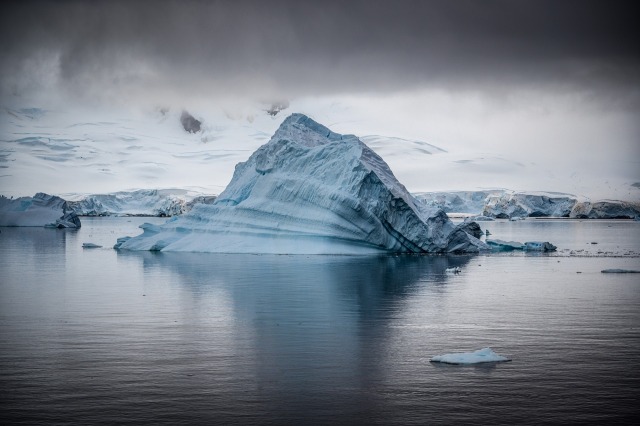
Icebergs on a stormy day.
Image by Andrea Spallanzani from Pixabay.

When one thinks of an environment in which adaptation is of the utmost necessity, Antarctica may be the first spot that comes to mind. The Southern Ocean, which encircles Antarctica, is an unforgiving and inhospitable place to live. Rotating currents almost completely isolate these waters from the rest of the Earth’s much warmer seas. This keeps temperatures low…it can drop to 28.6 degrees Fahrenheit in the winter! To combat the cold, Antarctic icefish produce and carry special antifreeze proteins in their blood and body fluids. These proteins bind to ice crystals, dividing their crystalline structures and therefore inhibiting crystal growth. Without this antifreeze, microscopic ice crystals would form in their bodies, severing nerves and damaging tissues to a deadly degree. It’s an incredible adaptation, but it did not happen quickly. About 25 million years ago, the Southern Ocean, flowing around the isolated Antarctic continent, began to cool. Aquatic life in this area had to evolve the special antifreeze proteins, find some other way to adapt to the cold, or go extinct. Today, thanks to their special cold-water adaptation, icefish make up more than 90 percent of all fish species in the Antarctic!

Aquatic Adaptations: Mariana Trench

But Antarctica is not the only harsh environment that demands extreme adaptations. You’d be hard-pressed to find living conditions that are more punishing and severe than in the Mariana Trench. Located in the western Pacific, it is considered to be the deepest part of the ocean anywhere on Earth. Near the trench’s bottom, the lunar-like landscape is pitch-black, and the pressure of the freezing cold waters would instantly kill any land animal. But, amazingly, sea animals have found remarkable ways to thrive.

In most places in the trench, the temperatures are between 34 and 39 degrees Fahrenheit. This extreme cold would not be good for most animals’ bodies because it would damage their cell membranes. These membranes are of a fatty consistency and must stay liquid to function properly. The Mariana Trench’s frigid temperatures would make the fat in a land creature’s cell membranes solid like butter. But deep-sea animals have evolved in a unique way that enables them to avoid such a chilly catastrophe. They have lots of unsaturated fats in their membranes, and these kinds of fats remain liquid at low temperatures and keep their membranes loose and intact.

Besides the bone-chilling temperatures, these aquatic creatures must contend with the pulverizing pressure. Extreme pressure can have a devastating effect on a body’s proteins (these are the molecules that do much of the work in a cell). To keep their proteins healthy and working well, sea life collect tiny organic molecules called piezolytes in their cells. These piezolytes prevent water from distorting and damaging the proteins. The deeper in the ocean an animal lives, the more piezolytes they need to have in their cells. One type of piezolyte, called TMAO (Trimethlyamine-oxide), gives fish their “fishy” taste and smell. Since TMAO increases with depth, being “fishier” is crucial for survival in the deep-ocean environment!

But food is also crucial for the survival of any organism; how is it possible to hunt in a world of darkness? Sea life have found many ways to deal with the lack of light. The stout blacksmelt, for example, has giant eyes that can capture the faintest glimmer of fleeting prey. The tripod fish has such unreliable vision that it mainly relies on sensors in its pectoral fins to detect the movement of a potential meal. And the anglerfish actually emits its own light by a process known as bioluminescence. The light from their built-in “headlight” will actually attract the prey to them!

Aquatic Adaptations Near the Ocean’s Surface

Marine life that live a bit closer to the ocean’s surface have also developed ingenious ways to search for food. The Great White Shark could very well be thought of as the bloodhound of the sea. Its sense of smell is so good that it can detect one drop of blood in ten billion drops of water! But, if the prey is close enough, it need not spill one drop of blood for the Great White to detect its presence. This is because these sharks are experts in electroreception, which is the ability to detect weak electric fields in water. Unlike in air, the ability to conduct electricity in water is extremely easy. This scientific fact allows many underwater species, including Great Whites, to sense the weak electrical fields of biological sources (such as their prey). These sharks are known to react to charges of one millionth of a volt (for reference, a tiny AA battery has a mere 1.5 volts of stored energy). This acute sensitivity to electrical fields can be traced to electroreceptors in the shark’s skin. Pore openings peppered over its head receive minute electrical signals from the water and channel these signals into tubes of highly-conductive gel. Each tube ends in a bulb known as an ampulla of Lorenzini. Sensory nerves are activated in the ampulla and send the message to the shark’s brain. Their electrosensitivity is so precise that they can detect prey hiding in the sand bottom!

With such an extraordinary adaptation, Great Whites can be a formidable and terrifying predator. But sometimes even the hunter can become the hunted. If a Great White is foolish enough to go after a sick or young Bottlenose Dolphin, they might find themselves biting off more than they can chew. Living in groups called pods, dolphins have tightly-knit family groups with complex social structures. They actually have their own cultures and display positive cultural behaviors such as compassion and cooperation. So when one member of a pod is targeted as prey, the others will come to its defense and work in a coordinated effort to combat the Great White. They’ll surround the shark and attack it relentlessly. Some use their sturdy, bony snouts like battering rams and slam into the shark’s underbelly and gills, causing massive internal injuries. If the shark is lucky enough, it can make a quick escape, but pods have been known to actually kill sharks. These incidents involving selflessness and cooperation have also crossed the species barrier from time to time when pods of altruistic dolphins have come to the rescue of humans in distress. There have been many reported cases of dolphins encircling and protecting swimmers as they work to successfully fend off a shark’s persistent advances.

The altruistic and cooperative behaviors of dolphins are adaptations that exemplify the true meaning of Charles Darwin’s theory of natural selection. Believing that compassion was the key to evolutionary success, Darwin was in fact frustrated with the way many readers misinterpreted the phrase “survival of the fittest” (a term that he himself did not even coin…biologist Herbert Spencer did so in 1864). This phrase implies the use of selfishness, ruthlessness, and callousness to ensure survival. There’s certainly no denying that these actions have definitely played a part in evolution and in the realities of life. But Darwin chose to believe that sympathy, benevolence, and cooperation played even greater roles in the survival, flourishing, and evolution of a species. In the end, it’s the positive adaptive traits that determine as well as define the overall success of life on Earth.

Shelby Wyzykowski is a Gallery Experience Presenter in CMNH’s Life Long Learning Department. Museum staff, volunteers, and interns are encouraged to blog about their unique experiences and knowledge gained from working at the museum.

Related Content

Super Science Saturday: Splish Splash (August 14, 2021)

D is for Dugong

The Strange Saga of Spinosaurus, the Semiaquatic Dinosaurian Superpredator

Carnegie Museum of Natural History Blog Citation Information

Blog author: Wyzykowski, Shelby
Publication date: August 12, 2021

Share this post!

  • Share on Twitter Share on Twitter
  • Share on Facebook Share on Facebook
  • Share on Pinterest Share on Pinterest
  • Share on LinkedIn Share on LinkedIn
  • Share on Reddit Share on Reddit
  • Share via Email Share via Email

Share this post!

  • Share on Twitter Share on Twitter
  • Share on Facebook Share on Facebook
  • Share on Pinterest Share on Pinterest
  • Share on LinkedIn Share on LinkedIn
  • Share on Reddit Share on Reddit
  • Share via Email Share via Email

Filed Under: Blog Tagged With: Education, Shelby Wyzykowski, ssssplash

August 4, 2021 by wpengine

Rising through the Educator Ranks

by Patrick McShea

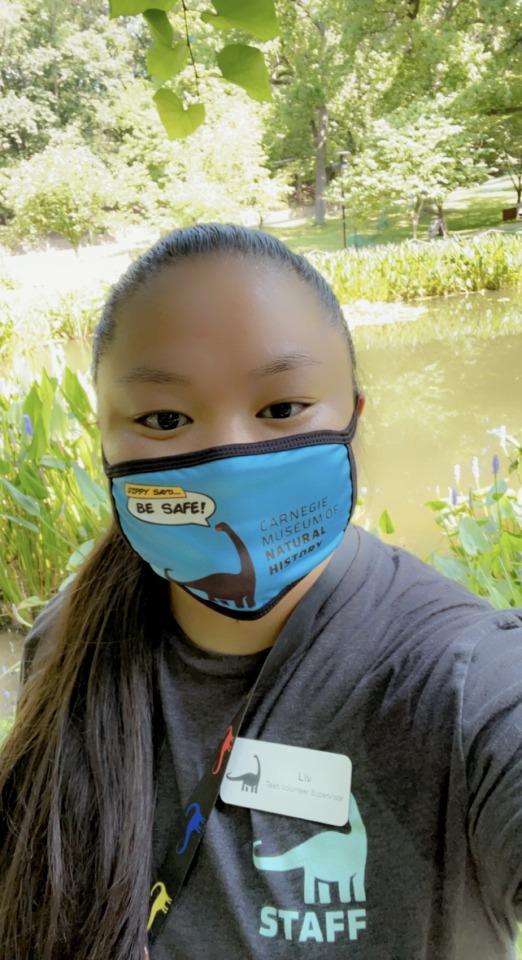
Woman wearing a mask and t-shirt with dinosaurs on them.
Olivia McNulty (Liv)

Every morning, as young participants in the museum’s summer camp and the adults accompanying them approach an outdoor sign-in table, Olivia McNulty is prepared to explain all that the coming day might hold. “I’m the first face they see, and I try to radiate positivity,” explains the recent Seton Hill University graduate, who goes by her first name’s second syllable, Liv. “I’m wearing a facemask, and checking temperatures with a handheld scanner, but I’ve also got some idea of the day’s schedule in every camp session, and I welcome questions.”

As tempting as it is to describe Liv’s comprehensive knowledge of camp operations as “second nature,” the term short-changes the unusually deep experience she brings to her current position of Senior Camp Educator. To use a baseball analogy, she is major league talent nurtured through years of development in a professional team’s multi-tiered farm system.

During the nine summers between age 5 and 13, Liv experienced camp as a camper. Due to her parents’ work schedules, an hour or two of pre-camp and post-camp care at the museum was also always part of her daily schedule. She remembers regularly experiencing “pure excitement and joy” at the museum during those long days, explaining further how she now reflects back upon her summer camp experience as an early, prolonged, and wholly positive learning intervention. “I struggled at school with a learning disability. I’m dyslexic, and at camp that was never a barrier to learning.”

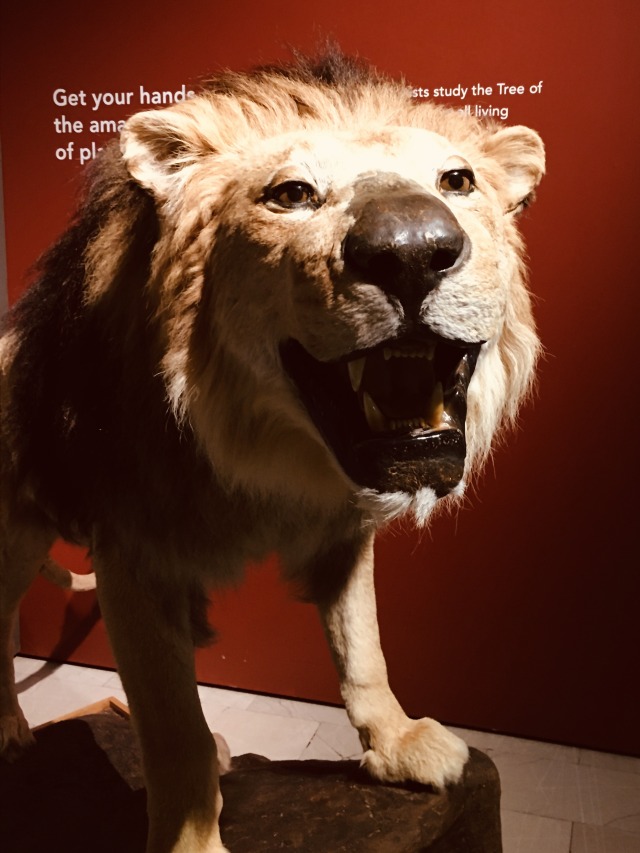
African Lion taxidermy mount
Liv cites the lion currently displayed in Discovery Basecamp as her constant visual anchor for 16 summers of camp experience.

When Liv aged-out of the camp participant demographic at age 14, she spent the next four summers as a teen volunteer with the program. “I knew how camp ran,” she explains, “and I wanted to emulate the camp counselors who had welcomed me for so many years. As a volunteer I started gravitating towards those children who had learning difficulties. I saw myself in some of their challenges and worked to support them.”

During the summer of 2018, Liv assumed broader camp responsibilities as a Museum Educator Assistant, a paid position that included some oversight of not just campers, but also teen volunteers. She summarizes the focus of each position as being complimentary, but drastically different. “For the teen volunteers the focus is fun – playing games, engaging the campers in those games. As an assistant educator your concerns involve safety and learning.”

This summer, Liv also holds the title of Teen Volunteer Supervisor. Her acknowledgement of greater responsibility is occasionally expressed in a motto, a saying now familiar to all the staff, volunteers, and campers she works with: “If we cannot be safe, we cannot have fun.” The statement of both warning and motivation seems particularly apt for these COVID times. It also contains evidence of all Liv learned as a psychology major at Seton Hill, and within an informal but highly effective summer training program at Carnegie Museum of Natural History.

Patrick McShea works in the Education and Visitor Experience department of Carnegie Museum of Natural History. Museum employees are encouraged to blog about their unique experiences and knowledge gained from working at the museum.

Related Content

Stage and Screen Sharing

Teacher Profile: Emmanuelle Wambach

Expanding the Scope of Environmental Education

Carnegie Museum of Natural History Blog Citation Information

Blog author: McShea, Patrick
Publication date: August 4, 2021

Share this post!

  • Share on Twitter Share on Twitter
  • Share on Facebook Share on Facebook
  • Share on Pinterest Share on Pinterest
  • Share on LinkedIn Share on LinkedIn
  • Share on Reddit Share on Reddit
  • Share via Email Share via Email

Share this post!

  • Share on Twitter Share on Twitter
  • Share on Facebook Share on Facebook
  • Share on Pinterest Share on Pinterest
  • Share on LinkedIn Share on LinkedIn
  • Share on Reddit Share on Reddit
  • Share via Email Share via Email

Filed Under: Blog Tagged With: Education, Educator Resources, Educators, Pat McShea

July 30, 2021 by wpengine

Collected on this Day in 1925: A flower with no leaves?

by Mason Heberling
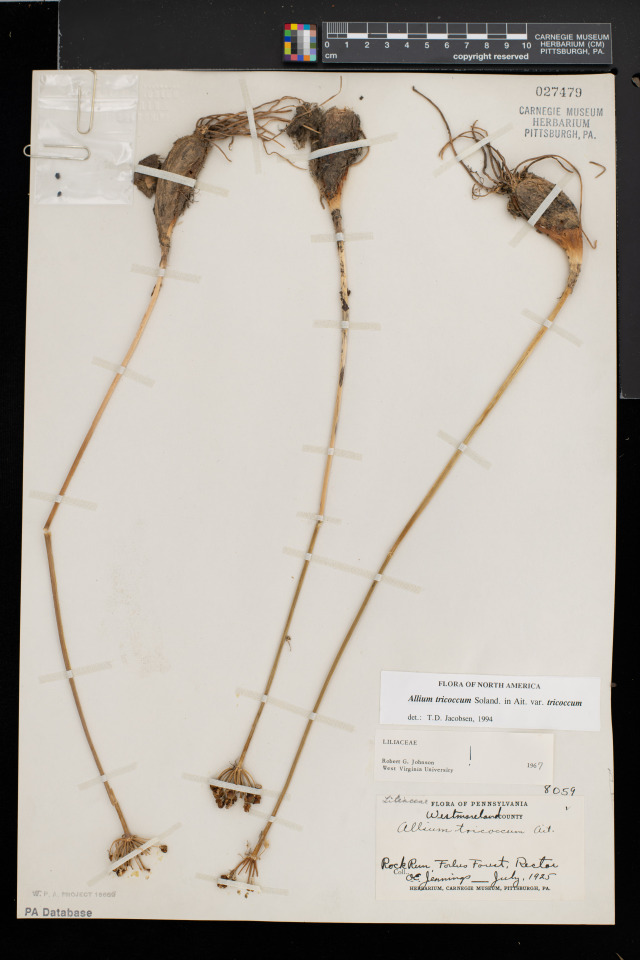
Dried allium specimen on an herbarium sheet.

This leafless specimen was collected in July 1925 in Rock Run, Forbes State Forest in Rector, Pennsylvania. This site is not far from what would only a few decades later became Powdermill Nature Reserve, the field station of Carnegie Museum of Natural History.

This specimen was collected by Otto Jennings, an influential botanist and curator at Carnegie Museum. Jennings had many roles during his 60 years at the museum (1904 until his death in 1964), including Director of Education, and even Director of the museum. He was also a professor at the University of Pittsburgh, serving as the Head of the Department of Botany, and later as Head of the newly formed Department of Biological Sciences in 1935. On top of that, Jennings somehow was a prolific plant collector. He ranks among the top contributors to the Carnegie Museum Herbarium with nearly 35,000 specimens, and additional plants he collected are preserved in herbariums across the world.

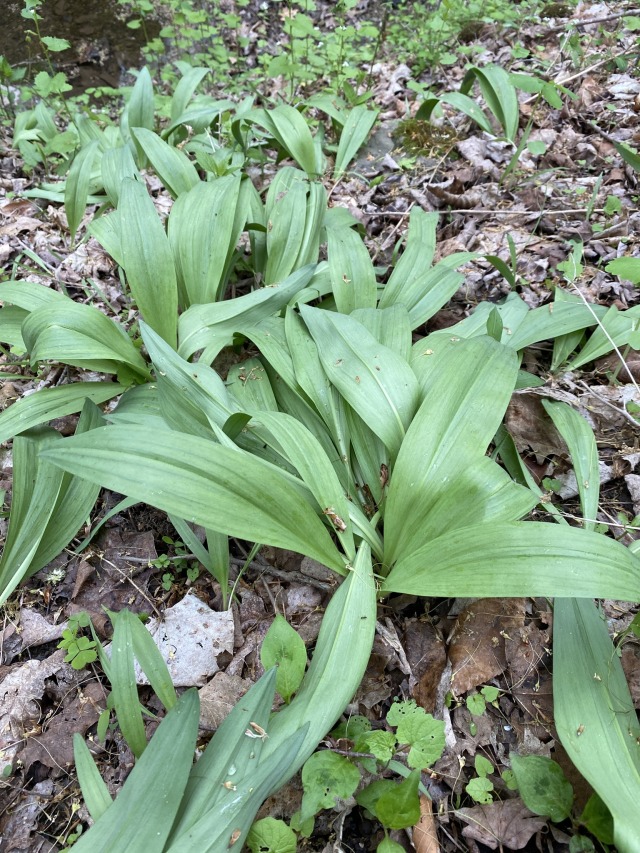
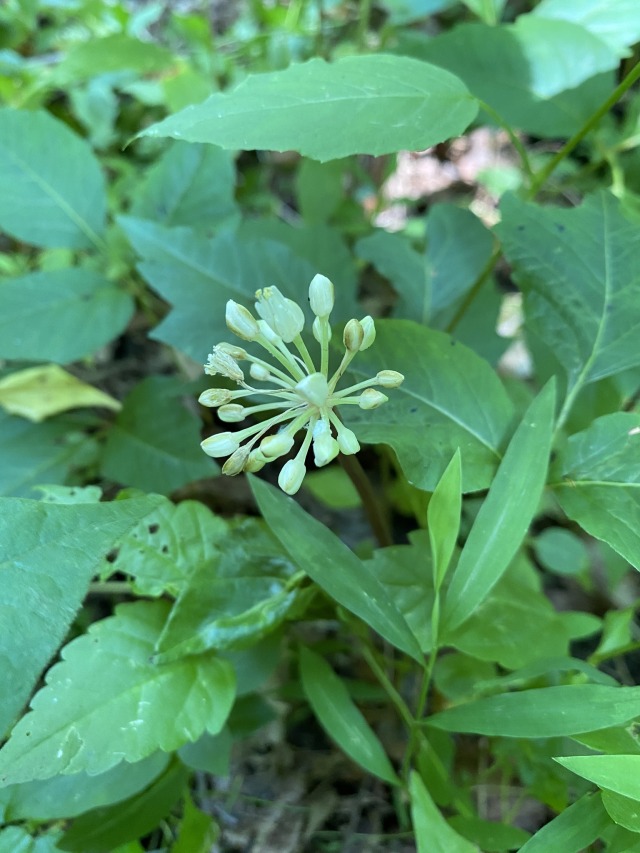
So, where’d the leaves go on this specimen? No, it isn’t parasitic. Wild leeks (also called ramps), Allium tricoccum, have a unique phenology, or timing, of leaf out and flowering. The species emerges very early in the spring, among the earliest in our woods. In this way, the species is a typical “spring ephemeral.” The long leaves soak up the sun before being shaded out by tree canopies a month or two later. At that point, the leaves die back. However, unlike other spring ephemerals, wild leek does not flower in the spring. Instead, months later, in July, the leafless plants send up a solitary flowering stalk. This is quite unusual – a flower coming out of the ground in the middle of the woods, with no signs of leaves.

Wild leeks in early spring.

The leaves of wild leeks carpeting the forest floor in early spring.

Flowering wild leek in summer.

The solitary flower stalks poking through other vegetation in mid-summer.

Wild leeks or ramps are in the onion family (Amaryllidaceae, formerly Alliaceae), forming bulbs with a distinctive onion flavor and ball-shaped flower heads typical in the onion family. Ramps are edible, with a long history of human use by Native people and European settlers. Ramp festivals are common throughout Appalachia to this day. However, the species is prone to exploitation and overharvesting, so never harvest without permission, and where harvesting is allowed, follow sustainable practices to protect the plant population.

The species is often treated as having two varieties: var. tricoccum (wild leek) and var. burdickii (narrow leaved wild leek). It depends who you ask, but more studies are now more clearly showing that this species may in fact be multiple species based on very distinct phenology (timing of flowers) and leaf traits (color, width). This case highlights the importance of herbarium specimens in documenting our flora and understanding the complexities of biological diversity.

Also note the small label added to this particular specimen recording this specimen was used in the taxonomic treatment of the species in the Flora of North America, identified by T.D. Jacobsen who co-authored the treatment. Dr. Jacobsen is the current director of the Hunt Institute for Botanical Documentation at nearby Carnegie Mellon University.

Keep an eye out for those leafless flower stalks in the woods!

Find this ramps specimen and 174 more in the Carnegie Museum Herbarium here: https://midatlanticherbaria.org/portal/collections/list.php?db=328&taxa=Allium+tricoccum&usethes=1&taxontype=2

Check back for more! Botanists at the Carnegie Museum of Natural History share digital specimens from the herbarium on dates they were collected. They are in the midst of a three-year project to digitize nearly 190,000 plant specimens collected in the region, making images and other data publicly available online. This effort is part of the Mid-Atlantic Megalopolis Project (mamdigitization.org), a network of thirteen herbaria spanning the densely populated urban corridor from Washington, D.C. to New York City to achieve a greater understanding of our urban areas, including the unique industrial and environmental history of the greater Pittsburgh region. This project is made possible by the National Science Foundation under grant no. 1801022.

Mason Heberling is Assistant Curator of Botany at Carnegie Museum of Natural History. Museum employees are encouraged to blog about their unique experiences and knowledge gained from working at the museum.

Related Content

Collected On This Day in 1957: Coltsfoot

Plants with Bladders?

Collected On This Day in 1982: One Specimen Isn’t Always Enough!

Carnegie Museum of Natural History Blog Citation Information

Blog author: Heberling, Mason
Publication date: July 30, 2021

Share this post!

  • Share on Twitter Share on Twitter
  • Share on Facebook Share on Facebook
  • Share on Pinterest Share on Pinterest
  • Share on LinkedIn Share on LinkedIn
  • Share on Reddit Share on Reddit
  • Share via Email Share via Email

Share this post!

  • Share on Twitter Share on Twitter
  • Share on Facebook Share on Facebook
  • Share on Pinterest Share on Pinterest
  • Share on LinkedIn Share on LinkedIn
  • Share on Reddit Share on Reddit
  • Share via Email Share via Email

Filed Under: Blog Tagged With: Botany, collected on this day, Mason Heberling

  • « Go to Previous Page
  • Page 1
  • Page 2
  • Page 3
  • Page 4
  • Page 5
  • Interim pages omitted …
  • Page 206
  • Go to Next Page »

sidebar

About

  • Mission & Commitments
  • Directors Team
  • Museum History

Get Involved

  • Volunteer
  • Membership
  • Carnegie Discoverers
  • Donate
  • Employment
  • Events

Bring a Group

  • Groups of 10 or More
  • Birthday Parties at the Museum
  • Field Trips

Powdermill

  • Powdermill Nature Reserve
  • Powdermill Field Trips
  • Powdermill Staff
  • Research at Powdermill

More Information

  • Image Permission Requests
  • Science Stories
  • Accessibility
  • Shopping Cart
  • Contact
  • Visitor Policies
One of the Four Carnegie Museums | © Carnegie Institute | Privacy Policy | Terms of Use | Accessibility
Rad works here logo