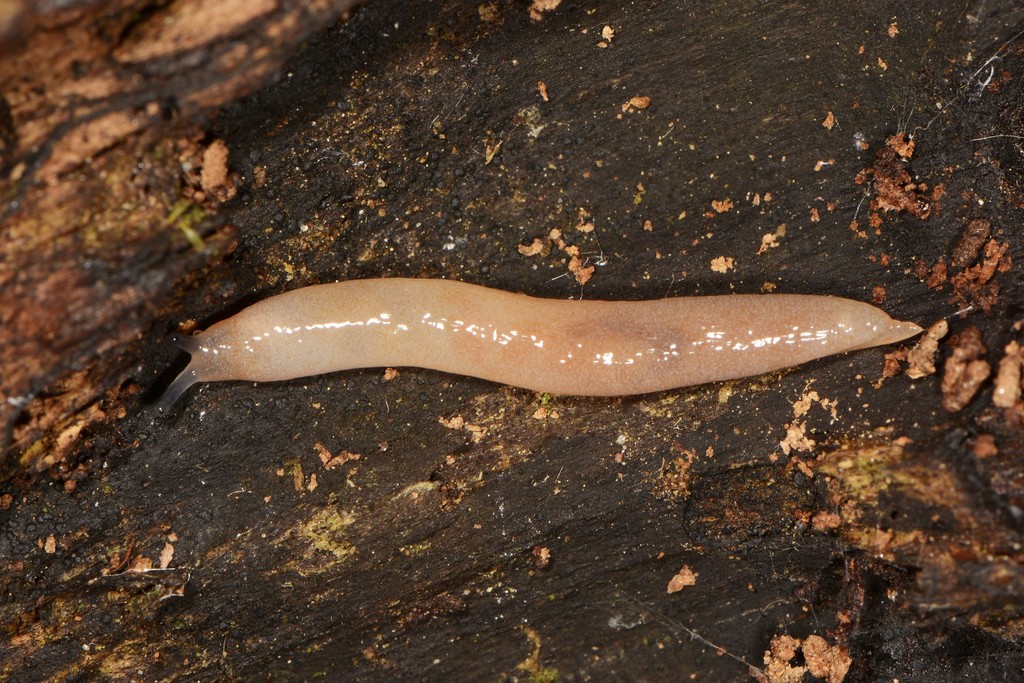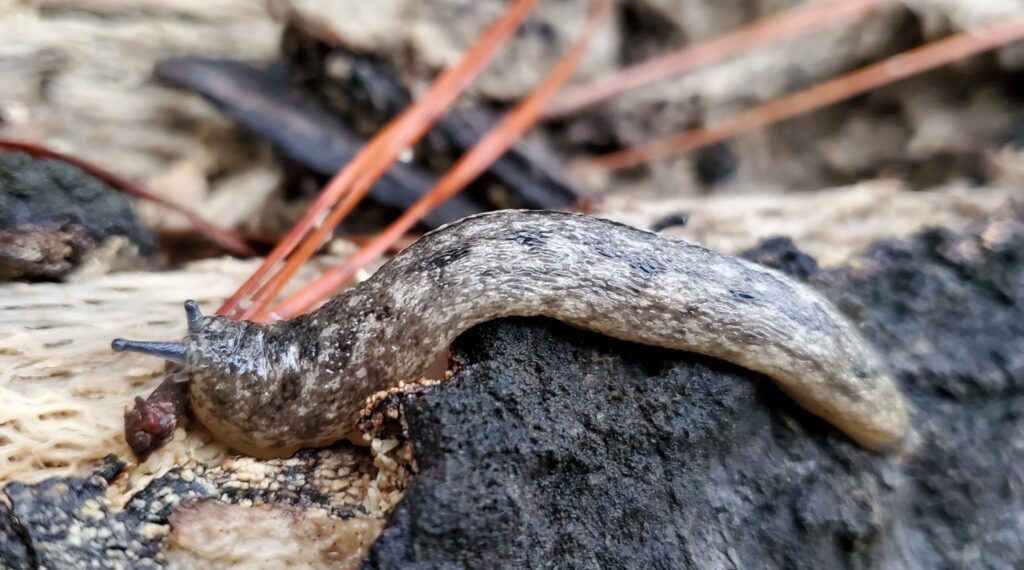
• Skip to primary navigation
  • Skip to main content
  • Skip to primary sidebar

Carnegie Museum of Natural History

One of the Four Carnegie Museums of Pittsburgh

  • Visit
    • Buy Tickets
    • Visitor Information
    • Exhibitions
    • Events
    • Dining at the Museum
    • Celebrate at the Museum
    • Powdermill Nature Reserve
    • Event Venue Rental
    • Gift Cards
  • Learn
    • Field Trips
    • Educator Information
    • Programs at the Museum
    • Bring the Museum to You
    • Guided Programs FAQ
    • Programs Online
    • Climate and Rural Systems Partnership
  • Research
    • Scientific Sections
    • Science Stories
    • Science Videos
    • Senior Science & Research Staff
    • Museum Library
    • Science Seminars
    • Scientific Publications
    • Specimen and Artifact Identification
  • About
    • Mission & Commitments
    • Directors Team
    • Museum History
  • Tickets
  • Give
  • Shop

January 13, 2023 by

Philomycus carolinianus

Image Usage Information

  •  John Slapcinsky
  • CC BY-NC 4.0 DEED
  • Additional information about this specimen

Family: Philomycidae

Common name: Carolina Mantleslug

Discovery: Bosc, 1802

Identification

Length: 50-100 mm

Philomycus carolinianus is a large slug with a mantle that covers the entire dorsal surface. The mantle is tan to tan-grey mottled with small irregular elongate flecks of slightly darker brown. These flecks usually coalesce to form a band along the lateral edge of each side of the mantle as well as a poorly defined central band that runs the length of the slug. In addition to this coloration there are two rows of dark-brown to nearly-black spots that flank the central band and run the length of the mantle. The reproductive system is equipped with a dart sac containing a short wide dart.

Ecology

This species is very common in swamps along the Gulf and Atlantic coasts and in floodplain woods on the piedmont and interior of the continent. They are often observed feeding on fungi and lichens at night and during wet weather and they aestivate under loose bark and under rotting logs. This species produces a bitter slime when irritated (Dourson, 2010).

Taxonomy

Unpublished DNA sequence data suggests that many mountain populations attributed to this species are undescribed species.

Distribution

Philomycus carolinianus is a widespread species found throughout eastern North America from Ontario to Florida and west to eastern Texas. In Virginia the species is primarily a coastal plain species with some populations on the piedmont and with one record from Lee County in the extreme southwestern part of the state. However, because of the difficulty in identifying philomycid slugs, some of the reported distribution records may refer to other species.

Conservation

NatureServe Global Rank: G5
NatureServe State Rank: S4
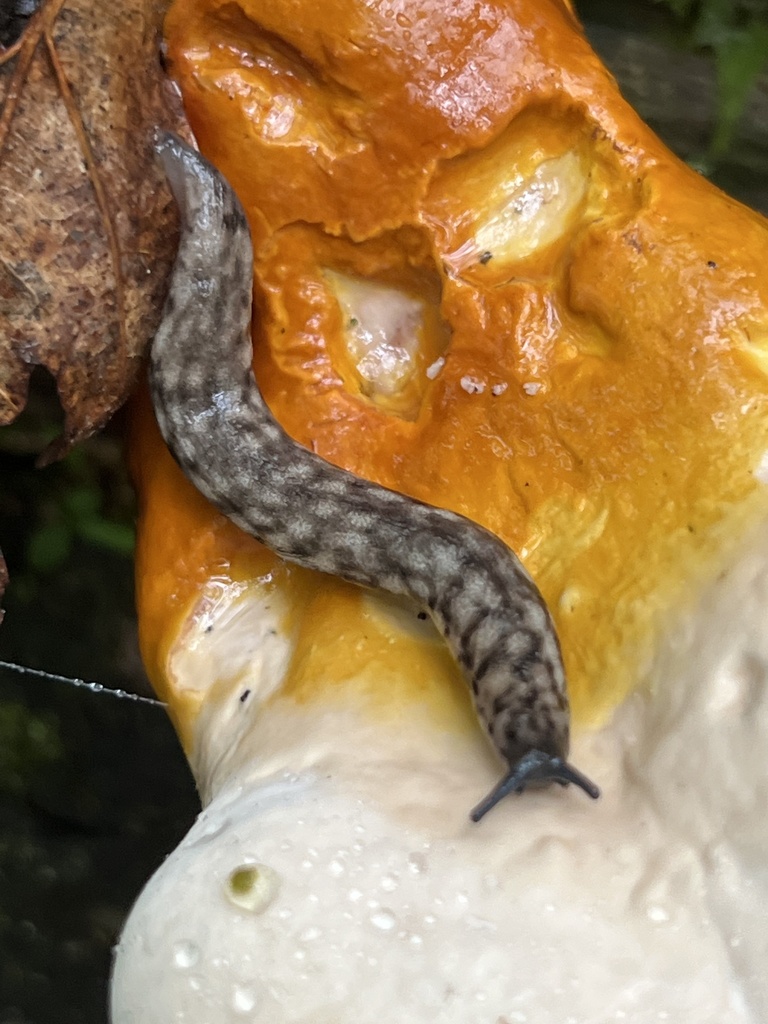
January 13, 2023 by

Philomycus bisdosus

Family: Philomycidae

Common name: Grayfoot Mantleslug, Breaks Mantleslug

Discovery: Branson, 1968

Identification

Length: 50-85 mm

Like all other philomycids, the body is covered by mantle. It is light tan in color with four wavy brown longitudinal bands, including two (sometimes one) along the mid-dorsum and a thinner band along each side. The bands merge towards the tail and break up into spots toward the anterior. The head is white and tentacles blue-black, and the body under the mantle is white with dark pigment towards tail. The foot margin is gray, and sole is light gray.  The mucus covering the body is white and sticky (Branson, 1968; Fairbanks 1989), and the mucus produced when the animal is disturbed is whitish (Dourson, 2010).

Philomycus bisdosus is similar to P. virginicus, but P. virginicus is darker, its stripes reach its mantle edge, and its genitalia have different dimensions (see Branson, 1969). Philomycus togatus also bears some resemblance to P. bisdosus but has an orange foot fringe, orange mucus on its sole, a differently shaped penis, and a larger dart sac (Fairbanks, 1989).

Ecology

Philomycus bisdosus lives in hardwood forest and takes shelter under moist, rotting logs (Branson, 1968; Dourson, 2010). These slugs are found to co-occur with P. carolinianus and P. togatus (Fairbanks, 1989).

Taxonomy

There are no synonyms.

Distribution

The species is an endemic thought only to occur on the border between westernmost Virginia (Dickenson and Grayson Counties) and easternmost Kentucky in Breaks Interstate Park. However, there is a record for southeast West Virginia (Greenbrier County).

Conservation

This narrow endemic is known from only a few central Appalachian Mountain counties. The species does not currently appear in NatureServe Explorer.

January 13, 2023 by

Philomycus batchi

Family: Philomycidae

Common name: Dusky Mantleslug, Kentucky Mantleslug

Discovery: Branson, 1968

Identification

Length: 50-80 mm

As is characteristic of its family, the entire upper surface of Philomycus batchi is covered by the mantle. The body is black to dark gray or brown with profuse black “punctae” and a mottling of white spots on the sides, becoming notably white at the anterior edge. Sometimes, a faint black longitudinal line is on each side of the body. The breathing pore has a white edge and a gray streak below. The body under the mantle is yellowish, and the sole is white (Branson, 1968). Mucus produced when disturbed is yellow to orange (Dourson, 2010).

Philomycus batchi is similar to P. flexuolaris, but its markings are black instead of brown, and it lacks longitudinal stripes (Branson 1968).

Ecology

This species is found along river floodplains and hillsides. It takes shelter under rotting logs and tree bark (Branson, 1968; Dourson, 2010).

Taxonomy

The original description used mixed species, which Fairbanks (1998) corrected by describing the internal anatomy of specimens from the type locality. There are no synonyms.

Distribution

The species is restricted to a small region along the border between southeast West Virginia (Summers County) and western Virginia (Dickenson County), with additional populations in eastern Kentucky (Dourson, 2010).

Conservation

NatureServe Global Rank: G1.
This narrow endemic is known from only a few central Appalachian Mountain counties.

January 13, 2023 by

Pallifera varia

Image Usage Information

  • Izabella Farr
  • CC BY-NC 4.0 DEED
  • Additional information about this specimen

Family: Philomycidae

Common name: Variable Mantleslug

Discovery: Hubricht, 1953

Identification

Length: 50-65 mm

Pallifera varia is a large Pallifera and like other philomycids has a mantle that covers the entire dorsal surface of the animal. The mantle is tannish grey with moderate sized darker brownish grey spots and smaller whitish spots. The edges of these spots are not sharply defined giving the mantle a marbled look. The darker spots often coalesce to form a weakly defined central band and two lateral bands that run the length of the mantle. The margin of the foot, especially the anterior, is edged with reddish-brown. The reproductive system is not equipped with a dart sac. The jaw has six to nine ribs.

Ecology

This species is a relatively common but rarely seen inhabitant of upland hardwood forests near the summits of the Blue Ridge at elevations above about 700 meters. This slug is most abundant where there is an ample supply of rotting wood and also appears to prefer sites with loose rock and talus. Pallifera varia has been observed feeding on crustose lichens, especially Aspicillia gibbosa and appears to avoid Xanthoparmelia cumberlandia and Huilia albocaerulescens (Lawrey, 1980).

Taxonomy

This species has no known synonyms.

Distribution

Pallifera varia is endemic to Virginia and is found from Rappahannock County south to Bedford County along the summits of the Blue Ridge. Nearly all its range is on protected lands in Shenandoah National Park and the Blue Ridge Parkway. Although reasonably secure, large fires, removal of downed wood, and acid rain are factors that could potentially impact this species.

Conservation

NatureServe Global Rank: G2/G4
NatureServe State Rank: S2?
Virginia’s wildlife action plan: Tier III

January 13, 2023 by

Pallifera secreta

Family: Philomycidae

Common name: Severed Mantleslug

Discovery: Cockerell, 1900

Identification

Length: 20-30 mm

Pallifera secreta is an average-sized Pallifera that like other philomycids has a mantle covering the entire dorsal surface of the animal. The mantle is blue-grey and densely covered with minute light grey flecks. This pattern is overlain with larger, widely and evenly dispersed black spots. Without ample light and some magnification the mantle appears solid grey. The reproductive system is not equipped with a dart sac. The center of the jaw has 5 large ribs, while the edges are smooth.

Ecology

This species is usually found in upland hardwood forests in deep and moist leaf litter up to about 1500 meters in both old growth and secondary forests. The genus Pallifera is in need of careful study and taxonomic revision. However, these small and secretive slugs are difficult to find and difficult to properly preserve for study.

Taxonomy

This species has no known synonyms.

Distribution

Pallifera secreta is distributed from southeastern Pennsylvania to the mountains of northwestern South Carolina. In Virginia the species appears most common in the Piedmont and Ridge and Valley, although it occurs in at least one Coastal Plain county.

Conservation

NatureServe Global Rank: G4
NatureServe State Rank: S4

January 13, 2023 by

Pallifera ohioensis

Image Usage Information

  • Jason M Crockwel
  • CC BY-NC-ND 4.0 DEED
  • Additional information about this specimen

Family: Philomycidae

Common name: Redfoot Mantleslug

Discovery: Sterki, 1908

Identification

Length: 15-30 mm

Pallifera ohioensis is a narrow-bodied slug entirely covered by a mantle. The mantle coloration is light tan or gray with faint spotting and no additional markings. Its tentacles are gray, and its sole is cream-colored. Characteristic of this species is a red-orange anterior foot fringe and slightly reddish mucus (Sterki 1908; Burch 1962). However, it is not clear whether P. ohioensis is a taxonomically well-defined species, because the colorful foot fringe appears on other Pallifera species, possibly as a result of aging.

Pallifera ohioensis is similar to P. dorsalis but lacks the broken mid-dorsal line that P. dorsalis occasionally has (Dourson, 2010).

Ecology

Slugs of the genus Pallifera tend to be found in leaf litter, or crawling on living or fallen trees.

Taxonomy

Synonyms of P. ohioensis are Philomycus ohioensis and P. rushi. The taxonomic status of Pallifera ohioensis is not certain (e.g. Hubricht [1985] synonymizes the species with P. dorsalis).

Distribution

In the northeastern US, this species was recorded across Pennsylvania and in Maryland (Prince Georges Co.). Its range includes Ohio, West Virginia, and Indiana (Dourson, 2010).

Conservation

NatureServe Global Rank: G5, Apparently secure.

  • « Go to Previous Page
  • Page 1
  • Interim pages omitted …
  • Page 15
  • Page 16
  • Page 17
  • Page 18
  • Page 19
  • Interim pages omitted …
  • Page 53
  • Go to Next Page »

sidebar

About

  • Mission & Commitments
  • Directors Team
  • Museum History

Get Involved

  • Volunteer
  • Membership
  • Carnegie Discoverers
  • Donate
  • Employment
  • Events

Bring a Group

  • Groups of 10 or More
  • Birthday Parties at the Museum
  • Field Trips

Powdermill

  • Powdermill Nature Reserve
  • Powdermill Field Trips
  • Powdermill Staff
  • Research at Powdermill

More Information

  • Image Permission Requests
  • Science Stories
  • Accessibility
  • Shopping Cart
  • Contact
  • Visitor Policies
Stay in the loop! Sign up for our newsletter(s).
One of the Four Carnegie Museums | © Carnegie Institute | Privacy Policy | Terms of Use | Accessibility
Rad works here logo