• Skip to primary navigation
  • Skip to main content
  • Skip to primary sidebar

Carnegie Museum of Natural History

One of the Four Carnegie Museums of Pittsburgh

  • Visit
    • Buy Tickets
    • Visitor Information
    • Exhibitions
    • Events
    • Dining at the Museum
    • Celebrate at the Museum
    • Powdermill Nature Reserve
    • Event Venue Rental
  • Learn
    • Field Trips
    • Educator Information
    • Programs at the Museum
    • Bring the Museum to You
    • Guided Programs FAQ
    • Programs Online
    • Climate and Rural Systems Partnership
  • Research
    • Scientific Sections
    • Science Stories
    • Science Videos
    • Senior Science & Research Staff
    • Museum Library
    • Science Seminars
    • Scientific Publications
    • Specimen and Artifact Identification
  • About
    • Mission & Commitments
    • Directors Team
    • Museum History
  • Tickets
  • Give
  • Shop

bird hall

February 14, 2019 by wpengine

Getting Ready for the Great Backyard Bird Count

So you want to take part in the Great Backyard Bird Count? You’ve got your nature notebook ready and you’ve found the perfect spot to birdwatch.  What do you do next?  The Great Backyard Bird Count website has a lot of resources to help you organize your bird counts and submit your information, so you should check those out before the bird count starts.  This post will give you a basic picture of how to document the birds you see and submit your observations properly.

Make a List, Check it Twice
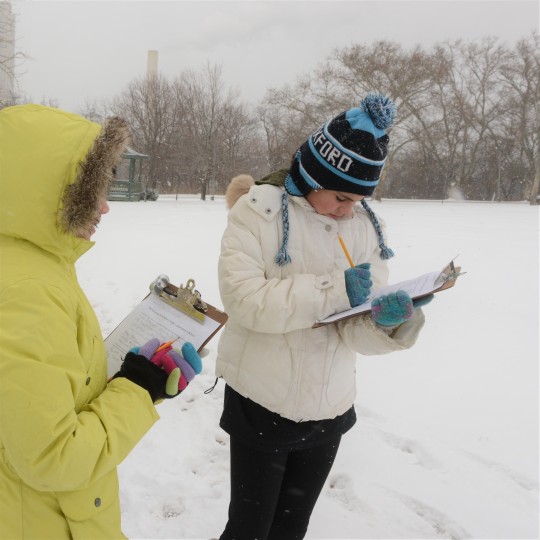
two people taking notes outside in winter
Photo credit: Jim Judkis

Creating a checklist before you start birdwatching will be really helpful in organizing your research.  You can print out this template, enter your location on the count’s website to create a checklist, or create your own guide using a list of birds found in your area.  When you enter your observations online, you will submit a “checklist” for each different session of birdwatching. These lists will document where and when you observed, what species you noticed, and how many individual birds you estimated per species.  A bird guide like the Merlin Bird ID app can help you identify birds you see.

You will want to make a new checklist for each new day, new location, or new time that you look for birds.  For example, you’ll need two checklists if you observe in the same location on two different days, in two different locations on the same day, or in the same location but at two separate times.  When you go to submit your observations, you will be asked to enter the location, date, time, and duration of your expedition.  You will also be asked whether you were walking, standing, sitting, or even riding in a car while you were counting.  Now go forth and count those birds!

Data Ready

Once you have collected your data, all you need to do is go online and enter in the number of birds you saw next to the name of the birds you noticed!  You can also add details about each bird species and if you were able to take pictures of any birds, you can include them as well.
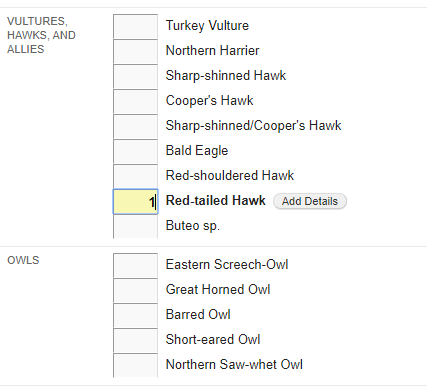
excerpt of data from bird count

Keep in Mind

The submission form will have a question at the end, “Are you submitting a complete checklist of the birds you were able to identify?” which can be confusing to some.  You should only click “no” if you are deliberately excluding a species from your list (for example you counted everything except crows).

Explore nature together. Visit Nature 360 for more activities and information.

Blog post by Melissa Cagan. 
Filed Under: Blog Tagged With: bird banding, bird hall, birding, Birds, Nature 360, Powdermill

February 7, 2019 by wpengine

Bird is the Word

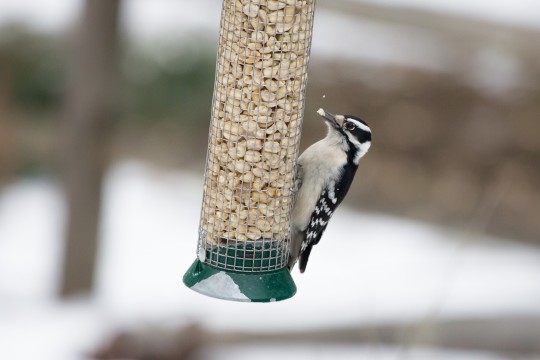
bird at bird feeder

February’s here and you know what that means… it’s time for the Great Backyard Bird Count!  Since 1998, people all over the world have participated annually in the Great Backyard Bird Count to collect information on wild birds by observing areas in their own neighborhoods.  Last year people from over 100 countries participated!  The Great Backyard Bird Count gathers data to help scientists figure out what is happening to bird populations around the globe.  That means YOU can contribute to science just by taking time to look outside your windows.  Scientists can’t be everywhere, and that’s where you come in!

Birds, Birds, Everywhere

The best part about the bird count is… it’s really easy (and free) to join in!  All you need is a way to note your observations (a task perfect for your handy nature notebook), access to the internet, and your enthusiasm!  You can look at a local park, your yard, or anywhere you want to go — data from everywhere is useful!

Ready, Set, Count!

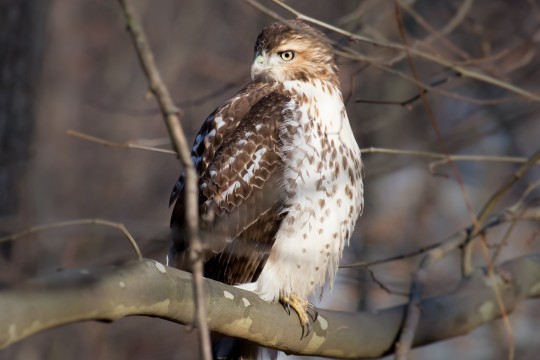
bird on a branch

Before you start looking for birds, you’ll want to set up an online account through the Great Backyard Bird Count’s website.  Once that is ready, all you have to do is spend at least 15 minutes looking outside at any time between February 15th and February 18th.  Count the number of birds and different species you see, and then submit your observations through your online account. Scientists will use the data, and you can use the information to explore what kinds of birds other people have seen nearby.

Some questions you might help scientists answer are:

-“How does weather and climate change affect bird populations?

-“How are diseases that birds can catch, like the West Nile virus, affecting birds in different areas?”

-“Are there bird species that only live in certain locations such as cities or rural areas?”

Lord of the Wings

The Christmas Bird Count, which happens at the end of December, found over 24,000 birds in Pittsburgh in 2018.  There were 71 different species represented in the total count.  Let’s see if we can find even more birds this February!  Follow this link to get ready!

Explore nature together. Visit Nature 360 for more activities and information.

Blog post written by Melissa Cagan and Rachel Carlberg.

Filed Under: Blog Tagged With: Anthropocene, bird hall, birding, Birds, Education, Melissa Cagan, Nature 360, Rachel Carlberg

February 6, 2019 by wpengine

Red Bird

By Patrick McShea

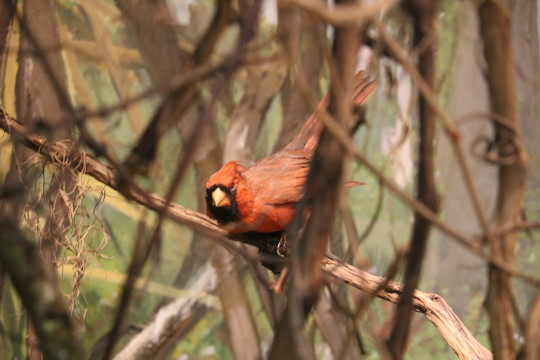
cardinal diorama

A detail in a Hall of Botany diorama can add much to our understanding of a popular songbird. Pictured above is a male Northern Cardinal, a species widely portrayed on cards and calendars amid snowy scenery.

Cardinals are certainly noticeable under winter conditions. The bright red of the male’s feathers and the reddish-brown plumage of the female stand out in snow covered landscapes. The range for this non-migratory species is enormous, however, and includes tropical regions.

The Hall of Botany bird, for example, adds color to a three-dimensional recreation of a tiny patch of Florida Everglades. Northern Cardinals have also long occupied suitable habitat much further south in Mexico and Guatemala.

The species, which has been deemed the official avian representative for seven U.S. states, was rarely seen anywhere in Pennsylvania until the 1890s. In Birds of Western Pennsylvania, the encyclopedic volume published in 1940 by the museum’s then Curator of Ornithology, W.E. Clyde Todd, growth of the local cardinal population is noted:

In recent years it has invaded the parks and residential sections of Pittsburgh in gradually increasing numbers, and it is seemingly as much at home there as it is in the wooded ravines in the vicinity of the city.”

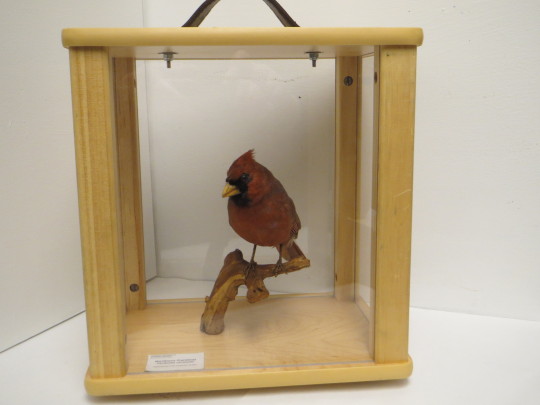
cardinal diorama
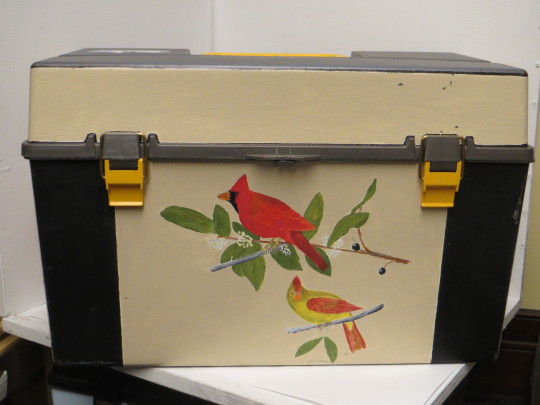
tool box with painted cardinals

One measure of the Northern Cardinal’s continued popularity is requests by elementary teachers to borrow taxidermy mounts of the species from the museum’s Educator Loan Collection. Pictured above are a taxidermy mount and the “toolbox” it travels in. The illustration on the box is a recreation of John James Audubon’s cardinal portrait by Museum Educator Assistant John Franc.

Patrick McShea works in the Education and Visitor Experience department of Carnegie Museum of Natural History. Museum employees are encouraged to blog about their unique experiences and knowledge gained from working at the museum.

Filed Under: Blog Tagged With: bird hall, Birds, botany hall, Education, Educator Loans, Hall of Botany, Patrick McShea, pennsylvania, western pennsylvania

January 24, 2019 by wpengine

“Amazing, just like a dinosaur!”

Exclamations like this are common among bird biologists, especially when face-to-face with a Pileated Woodpecker or a ferocious Chickadee. Decades of Jurassic Park films have caught us in a tautological trap where birds remind us of dinosaurs—because Hollywood models dinosaurs on birds. From the coordinated flock movements of chickens foraging to the reptilian eyes of a Heron, I often catch myself wanting to say, “Amazing, just like a dinosaur!” But, I restrain myself because my source is mostly Stephen Spielberg.

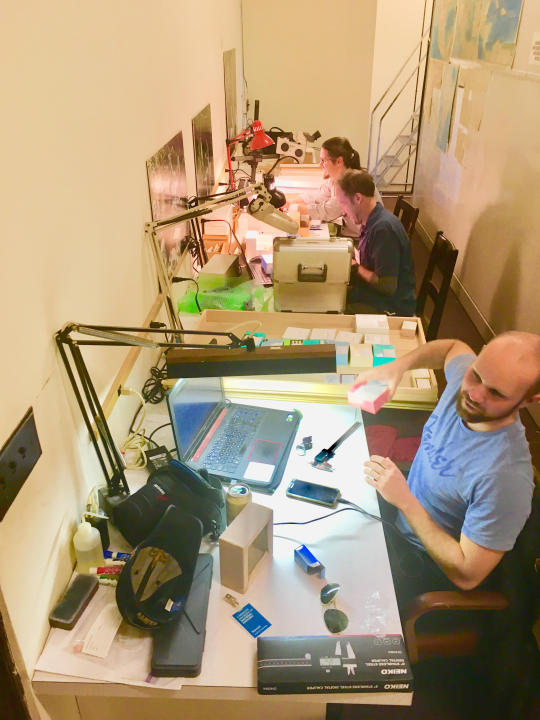
At the Carnegie Museum of Natural History something that makes the Section of Birds special is its proximity to a world-class collection of dinosaur fossils and the paleontologists they attract. PhD students, like Sam Gutherz from Ohio University, use our collections to study the pulmonary tissue and skeleton of birds to address questions regarding the evolution of the respiratory system in a range of archosaurs.

three people working at desks
Sam Gutherz and colleagues from Ohio University measure bird skeletons at the Carnegie Museum of Natural History to better understand the biology of dinosaurs.

Sam visits natural history museums for both the birds and the dinosaurs—systematically measuring bones and testing questions that ultimately support or refute the connection between birds and dinosaurs. Decades of work by scientists like Sam and his colleagues have built a case using multiple lines of evidence that birds evolved from dinosaurs. In fact, paleontologists have been so successful that bird biologists and Hollywood producers stand on their shoulders.

Chase Mendenhall is Assistant Curator of Birds, Ecology, and Conservation at Carnegie Museum of Natural History. Museum employees are encouraged to blog about their unique experiences and knowledge gained from working at the museum.

Filed Under: Blog Tagged With: bird hall, Birds, Chase Mendenhall, dinosaurs, Hall of Birds, paleontology

January 17, 2019 by wpengine

Dial M for a Murder (of crows)

By Melissa Cagan

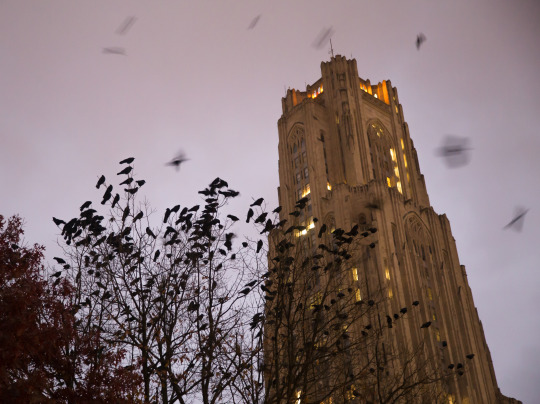
crows with cathedral of learning

In the city of Pittsburgh, there are many different places you might find a rowdy roost of crows.  Crows gather to spend the night in areas with big trees and some source of light. Most people wouldn’t want to sleep with the lights on, but for crows, lights let them keep an eye out for possible predators like the fearsome great horned owl.

Fun Fact:  They’re not really that vicious, but a group of crows is often referred to as a “murder.”  Spooky, right?  One reason for the term “murder” could be that, as scavengers, crows are often associated with cemeteries or battlefields.

Duck, duck… crow?

Throughout winter, roosts of crows will shift around the city of Pittsburgh.  This means that you could spot a group of crows in one place and then three months later observe the same exact “murder” in another area of the city!

Where can I find crows?

Here are some of the places in Pittsburgh where you might have seen a crow (or a thousand!) in past years:

• Flagstaff Hill

• Homewood Cemetery (in October)

• Allegheny Cemetery (in October)

• By Bigelow Boulevard in the Hill District

• Next to the Cathedral of Learning

In fact, the University of Pittsburgh has started blasting predatory bird calls from the Cathedral to try and scare the crows away. Do you think this is working?  If you’re riding through Oakland keep both your eyes and ears open!

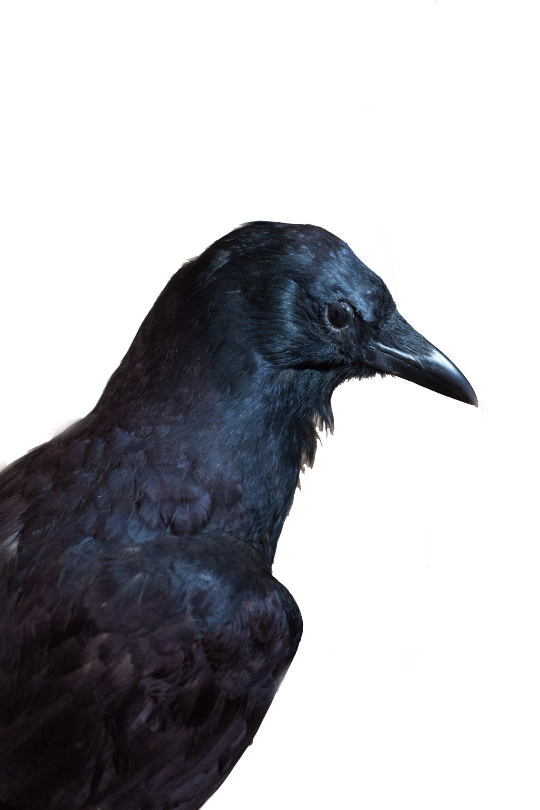
crow

I Spy with My Little Eye…

Next time the sun starts to set, go outside and see what sorts of things you notice.  Do you observe anything unusual happening with the birds in your area? You can even take along a camera or notepad to write down your observations.  Make a note of anything fun or interesting that stands out to you!

Explore nature together. Visit Nature 360  for activities and information.

Filed Under: Blog Tagged With: bird hall, Birds, Melissa Cagan, Nature 360, Pittsburgh

January 10, 2019 by wpengine

The Crows are Back in Town

By Melissa Cagan and Rachael Carlberg

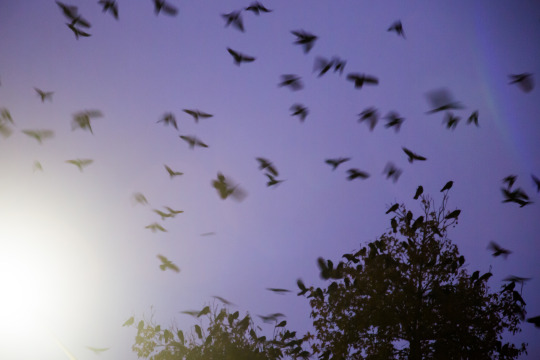
a murder of crows in the sky

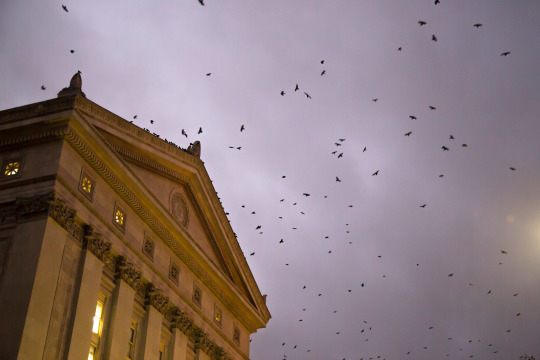
If you looked out your window at sunset in the recent months, you would probably notice a strange phenomenon – hundreds, even thousands, of crows flying from all directions towards the same place.

Where are the crows going?

Well, when the weather starts getting cold, crows will fly into Pittsburgh from surrounding areas to join in one communal roost, a large group of birds that flock together to sleep through cold nights. You may wonder why these crows have chosen a city as their roost site, but there are actually many advantages to choosing an urban roost.  For one thing, cities are usually warmer than rural areas, are well-lit by night lights, and contain fewer predators.  In addition, Pittsburgh has an abundance of large trees that make safe spots for a big crow slumber party!

crows in the sky about a museum

Heads up…

Now – imagine that a hundred (or even a thousand!) birds moved into your neighbor’s place… what sorts of strange things might you start to notice?  Crows are not known for being quiet, so don’t be surprised if it gets super noisy when you’re trying to sleep.  Also, as you might imagine, a roost of crows poses some… sanitary issues as well.  If you live in the city near a roost look out for some lovely crow presents on your streets, sidewalks, or car.

Birds can be trash collectors?

Corvids, the family of birds that crows are a part of, are really smart birds.

In fact, a theme park in France has made use of corvids’ talents by hiring six rooks (a cousin of the crow) to act as garbage collectors throughout the park!

Related Content

Ask a Scientist: Ravens and crows, what’s the difference?

Stuffed Animal Safari: Binocular Activity

Jurassic Days: An Adventure Under the Sea

Filed Under: Blog Tagged With: bird hall, Hall of Birds, Nature 360, Pittsburgh

  • « Go to Previous Page
  • Page 1
  • Page 2
  • Page 3
  • Page 4
  • Page 5
  • Go to Next Page »

sidebar

About

  • Mission & Commitments
  • Directors Team
  • Museum History

Get Involved

  • Volunteer
  • Membership
  • Carnegie Discoverers
  • Donate
  • Employment
  • Events

Bring a Group

  • Groups of 10 or More
  • Birthday Parties at the Museum
  • Field Trips

Powdermill

  • Powdermill Nature Reserve
  • Powdermill Field Trips
  • Powdermill Staff
  • Research at Powdermill

More Information

  • Image Permission Requests
  • Science Stories
  • Accessibility
  • Shopping Cart
  • Contact
  • Visitor Policies
One of the Four Carnegie Museums | © Carnegie Institute | Privacy Policy | Terms of Use | Accessibility
Rad works here logo