• Skip to primary navigation
  • Skip to main content
  • Skip to primary sidebar

Carnegie Museum of Natural History

One of the Four Carnegie Museums of Pittsburgh

  • Visit
    • Buy Tickets
    • Visitor Information
    • Exhibitions
    • Events
    • Dining at the Museum
    • Celebrate at the Museum
    • Powdermill Nature Reserve
    • Event Venue Rental
    • Gift Cards
  • Learn
    • Field Trips
    • Educator Information
    • Programs at the Museum
    • Bring the Museum to You
    • Guided Programs FAQ
    • Programs Online
    • Climate and Rural Systems Partnership
  • Research
    • Scientific Sections
    • Science Stories
    • Science Videos
    • Senior Science & Research Staff
    • Museum Library
    • Science Seminars
    • Scientific Publications
    • Specimen and Artifact Identification
  • About
    • Mission & Commitments
    • Directors Team
    • Museum History
  • Tickets
  • Give
  • Shop

Education

March 25, 2020 by wpengine

Robin Watch

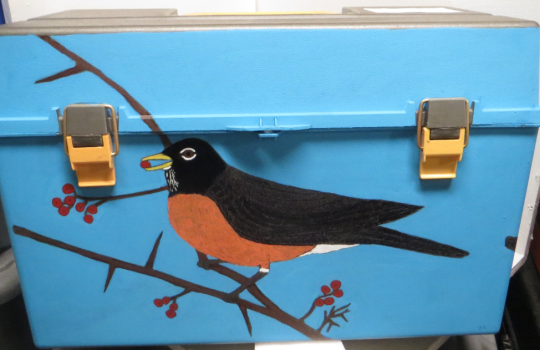
(above) The American Robin Box in the CMNH Educator Loan Program, with art work by John Franc. The loaning of educational materials has been suspended during the Covid-19 pandemic.

As a bird watcher, I’m out of the house early at this time of the year, listening for the calls of newly arrived migrating birds. New days begin in a still dark neighborhood with a steadily growing feathered chorus. Although the calls of a few Northern cardinals and Carolina wrens are close enough for me to guess the location of each singers’ perch, they are far outnumbered by American robins whose blended notes reach my ears from every compass point.

On recent mornings I’ve come to value the abundant presence of robins as a tonic to human nerves frazzled by the life-disrupting spread of Covid-19. The species’ horizon-wide dawn concert is a prelude to an active visible presence in the same territory all day. With minimal effort, little prior planning, and without violating protocol for social distance spacing, you can observe robins flying to and from cover, hopping over grassy feeding areas in search of worms, fighting rivals for mates and territory, and even gathering dried grass and mud for nest construction.
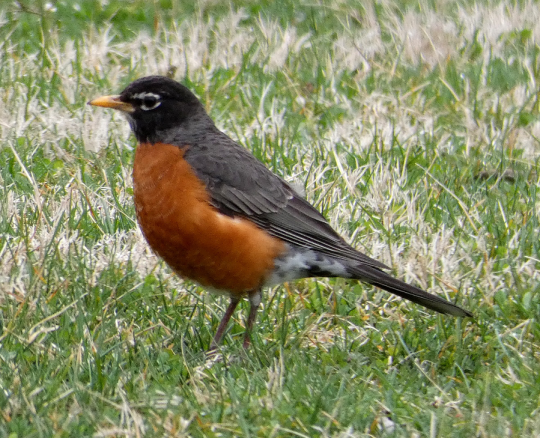
Photo by Amy Henrici.

Through such simple observations it’s possible to reach what naturalist Margaret Renkl, writing recently in The New York Times, termed “the alternate world we need right now, one that exists far beyond the impulse to scroll and scroll.”

A pre-pandemic, but still contemporary call for all of us to become better robin watchers can be found in A Season On The Wind, ornithologist Ken Kaufman’s 2019 account of spring bird migration near his home along the Lake Erie shore in western Ohio.

“Their songs are loud and rich and their colors are bold, from the deep yellow of the beak to the bright rufous orange of the chest. If the American robin were a rare bird, we would climb mountains or walk through fire to catch a glimpse of it. Why should we appreciate it any less just because it’s around us every day?”     (A SEASON ON THE WIND, Inside the World of Spring Migration, Houghton Mifflin Harcourt, 2019.)

A far older robin endorsement can be found in the writings of John James Audubon. In early June of 1833, when the renowned bird artist arrived on the barren coast of Labrador, he encountered a robin singing from a snow-free patch of grass.

“That song brought with it a thousand pleasing associations referring to the beloved land of my youth, and soon inspired me with resolution to persevere in my hazardous enterprise.”

Audubon’s praise for the species continues for several paragraphs, and his deep appreciation for the wide-ranging bird includes an aspect unfamiliar to modern robin watchers. After describing how wintering robins in the American south feed on “the fruits of our woods,” he reminds readers that under these circumstances “they are fat and juicy and afford excellent eating.”

For more information about robins including song recordings:

https://www.allaboutbirds.org/guide/American_Robin/id

For read a fuller account of Audubon’s praise for robins:

https://www.audubon.org/birds-of-america/american-robin

For Margaret Renkl’s full essay about the value of nature observation:

https://www.nytimes.com/2020/03/23/opinion/coronavirus-nature-outdoors.html

Patrick McShea works in the Education and Visitor Experience department of Carnegie Museum of Natural History. Museum employees are encouraged to blog about their unique experiences and knowledge gained from working at the museum.
Filed Under: Blog Tagged With: Birds, Education, Museum from Home, Patrick McShea

March 20, 2020 by wpengine

Stay Connected to Nature with These At-Home Activities

With schools, the museum, and many other places temporarily closed, one thing remains open and available to all – nature! As Rachel Carson noted in The Sense of Wonder, “Those who contemplate the beauty of the earth finds reserves of strength that will endure as long as life lasts.” To keep our connection with nature alive (and kids from getting bored!), we’ve rounded up eight blog posts from Nature Lab that you can do right at home, in your backyard, or at a local park. These activities are appropriate for all ages, but we’ve noted an ideal age group for each activity to help guide you.

First up, make your own Nature Notebook with materials you already have in your house, then head outdoors and start exploring! Make Your Own Nature Notebook (Ideal for ages 8-13) 

While you’re exploring, follow these photography guidelines to capture what you see and document your discoveries. Nature Photography for Kids  (Ideal for ages 8-13) 

You might want to grab a compass to help you navigate! How to Use a Lensatic Compass  (Ideal for ages 8-13)

Finding lots of cool stuff? You can search for mushrooms and spiderwebs in just about any place. Glowing Mushrooms and Pokémon  (Ideal for ages 8-13)  Spiders as Interior Designers (Ideal for ages 6-13) 

Do you love Dippy as much as we do? You can make your own Dippy from things you find in nature! Create Your Own Dippy from Nature (Ideal for ages 6-10) 

And speaking of Dippy, when you head back inside you can make a special placemat for Dippy and invite him as your dinner guest. Dippy Dinosaur Placemat Activity (Ideal for ages 6-10) 

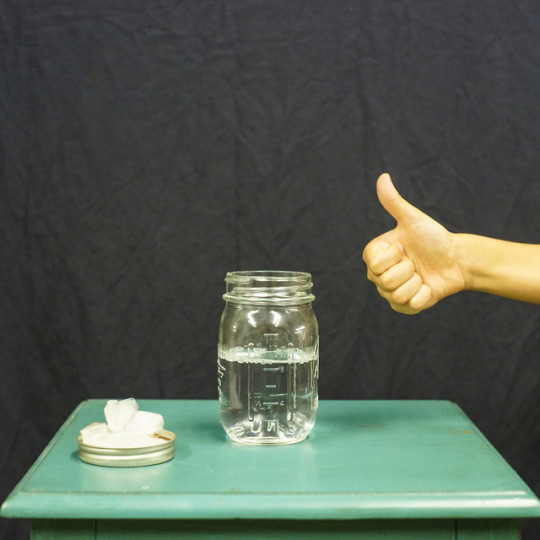
Last but not least, if you are stuck inside on a rainy day, you can make your very own cloud with some simple items you have around the house. Make Your Own Cloud (Ideal for ages 8-13) 

We hope you enjoy these fun activities and keep your connection to nature strong! Be sure to check back for more fun ways to discover the world around us in Nature Lab. https://carnegiemnh.org/visitor/nature-lab/

Filed Under: Blog Tagged With: Education, Nature Lab

March 9, 2020 by wpengine

Happy Groundhog Day from Nature Lab

A Brief History of Punxsutawney Phil

For the last 133 years, people in the US and Canada have been ignoring the forecast on February 2nd and instead using a rodent to predict the weather. That rodent happens to be a groundhog named Punxsutawney Phil. With Groundhog Day 2020 coming up, let’s brush up on our groundhog facts!

Groundhogs in Their Natural Habitat

Groundhogs are known to hibernate for the winter so when they decide to come out of their burrow, it tends to be a natural sign of Spring.

The burrows this creature makes have impacts beyond protecting the individual groundhog. When a groundhog digs its multi-chambered burrow, it moves nearly 700 pounds of dirt and rocks which mixes the different soil layers. Burrows can measure 65-feet long and have plenty of room to shelter other creatures while the groundhog sleeps away the winter.

Groundhogs are mostly solitary animals and prefer to be alone. That means there are far more burrows than we realize, and each burrow only has one groundhog in it.

The History of Groundhog Day

Germans who migrated to Pennsylvania during the 1800s brought a European tradition of watching hedgehogs on Candlemas Day, February 2nd. Hedgehogs hibernate, just like groundhogs, and people would watch how they behaved during a brief break in their slumber to predict spring’s arrival. Because there were no hedgehogs in Pennsylvania, but groundhogs were so abundant, they became the North American harbinger of spring.

In the late 1800s a group of friends went into the woods of Punxsutawney, Pennsylvania to look for groundhogs, beginning a local tradition that has grown over time to become an annual celebration.  People travel from all over to learn in person whether Punxsutawney Phil will see his shadow and predict six more weeks of winter, or whether there will be an early spring.

Punxsutawney Phil’s Fame

Punxsutawney Phil now lives in a climate-controlled habitat that connects to the Punxsutawney Library where he is a local celebrity. Phil gained national fame in 1993 when the movie Groundhog Day came out. Phil’s weather predictions are even recorded in the Congressional Records of our National Archive! He’s known to have seen his shadow 85% of the time, meaning we receive 6 more weeks of Winter. Do you think Punxsutawney Phil will see his shadow this Groundhog Day?

Make A Human Sundial

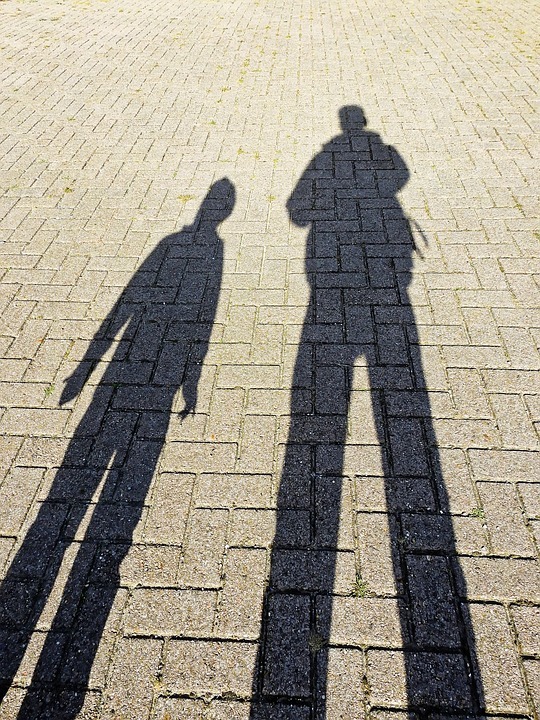
Since Groundhog Day is all about shadows, let’s learn how shadows are made and how they’re influenced by the earth’s rotation. By creating a human sundial, you’ll be able to track your shadow throughout the day and see how the sun changes it.

What You’ll Need

• An open space with nothing creating shadows. We recommend a driveway or parking lot.

• Sidewalk Chalk

• A Camera

• A journal to record your observations

Step One

This activity works best on a sunny day with no clouds or rain. Wait for a nice day then find an open area with cement or asphalt where the sun shines throughout the day.

Step Two

Place an X on the ground where you will stand each time your shadow is being traced. Have your parent or a friend trace your shadow. After they finish tracing, have them take a photo. Make sure to record the time you traced your shadow in your journal. Do this 3-5 times throughout the day.

Step Three

Observe the different outlines of your shadow and how they correspond with the time of day they were traced. What differences do you see in your shadows based on the time of day? What direction did your shadow move?  At what time of day was your shadow the longest and the shortest?

Fun Fact

Phil’s full name is Punxsutawney Phil, Seer of Seers, Sage of Sages, Prognosticator of Prognosticators and Weather Prophet Extraordinary.

Blog post by Megan Jones.

Filed Under: Blog Tagged With: Education, Nature Lab

March 9, 2020 by wpengine

Summer Dreaming

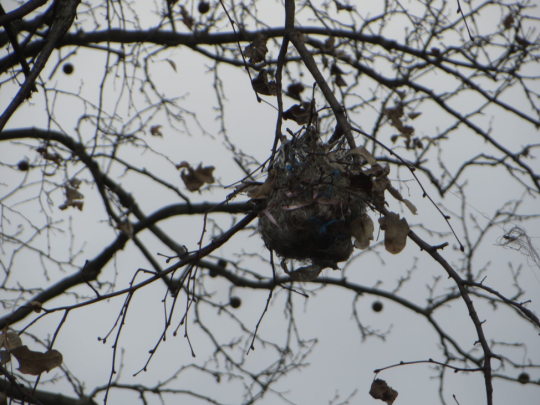
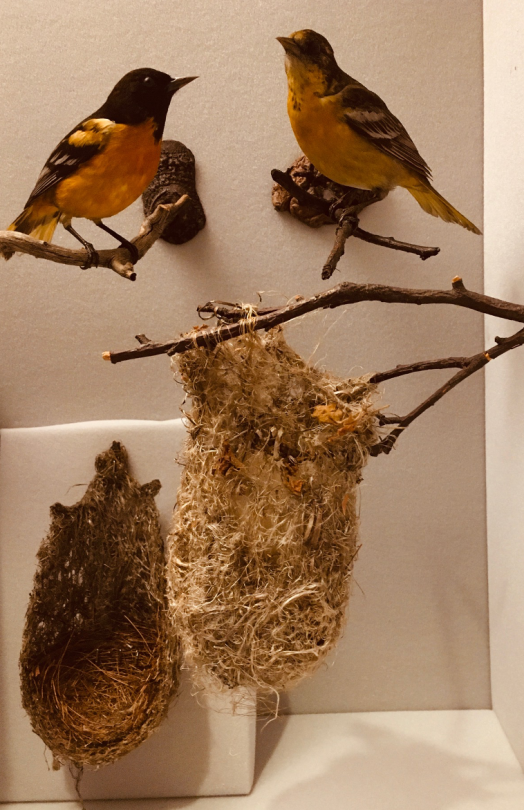
At this time of year, the sight of some battered bird-built structures can trigger summer dreams. Consider the Baltimore Oriole nest dangling from a linden branch above a Flagstaff Hill sidewalk in Pittsburgh’s Schenley Park.  Watch the bundle of plant fiber and ribbon scraps sway in a cold late winter wind and you might be able to imagine the nest partially concealed by bright green leaves and periodically visited by a bird with goldfish-orange feathers.

Baltimore Oriole pair in CMNH Bird Hall with nest and nest cross-section.

Such out of season thoughts are far from original. One hundred and sixty-one years ago, and some 500 miles northeast of Pittsburgh, naturalist Henry David Thoreau used a different common name for the species when he referenced the bright and melodic warm season residents in a winter journal entry.

What a reminiscence of summer, a fiery hangbird’s nest dangling from an elm over the road when perhaps the thermometer is down to -20, and the traveler goes beating his arms beneath it! It is hard to recall the strain of that bird then.

Henry David Thoreau – journal entry                                                                                                           December 22, 1859

Patrick McShea works in the Education and Visitor Experience department of Carnegie Museum of Natural History. Museum employees are encouraged to blog about their unique experiences and knowledge gained from working at the museum.
Filed Under: Blog Tagged With: Education, Patrick McShea

March 9, 2020 by wpengine

Big Foot

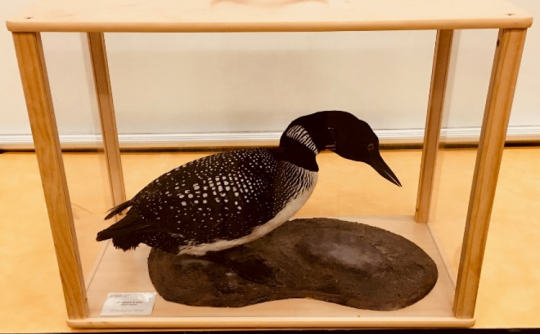
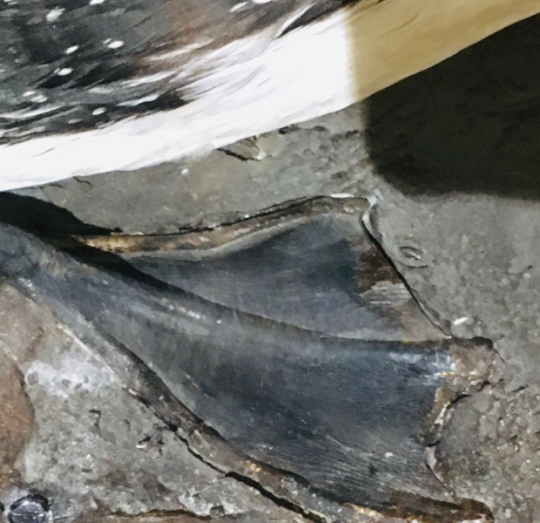
Studying anatomical details on taxidermy mounts can enhance field observations of wildlife. A common loon in the museum’s Discovery Basecamp, offers a great example of this benefit.

Within an acrylic-sided display box, the nearly two-foot long stuffed bird rests on a tiny simulated mud island, as if the spear-billed creature just waddled from the water on its large and widely-spaced webbed feet.

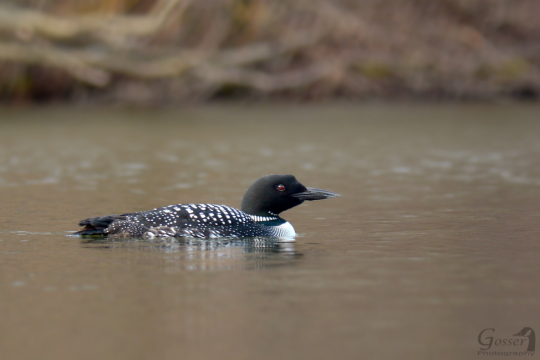
Common loons don’t do much waddling from the water in western Pennsylvania. That behavior occurs much farther north where the species’ summer range includes much of Canada and a northerly strip of the US stretching eastward from the upper Great Lakes to New England. Here the fish-eating birds push themselves from the waters of their home lakes mostly to reach immediately adjacent nests.

Photo by Steve Gosser.

Loons do make seasonal appearances on Pittsburgh area waters during migration rest stops, however. Although their big feet aren’t visible to shore-bound observers during these visits, it’s the hidden actions of the flexible spatula-sized paddles, that makes loon watching such a challenging endeavor.  

Just when you bring a resting loon into binocular focus, the bird can disappear in a minute-long feeding dive and reappear, in an unpredictable direction, many yards from its original location.

The bird’s unseen propulsion is well explained in a 2012 post in Maine Birds, a blog by Colby College biology professor Herb Wilson.

When a loon is first diving from the surface, it breaks the surface by alternating strokes with the left and right leg.  Once underwater, the legs beat synchronously.

The lateral placement of the legs makes for hydrodynamic efficiency.  If the legs were close together, the turbulent eddies created by one leg would interfere with smooth movement through the water of the other leg.  The lateral arrangement allows a loon to generate maximum thrust while minimizing hydrodynamic drag.

The feet of loons are large and webbed.  The real power in swimming is generated by the rearward movement of those webbed feet against the water.  When the loon moves its feet forward during the recovery stroke, the toes are brought together causing the web to collapse and minimizing the effort needed to get the foot ready for the next power stroke.

Spring appearances of migrating loons in western Pennsylvania normally occur between mid-March and early May. Forty miles north of Pittsburgh, common loons are known to visit the deep water sections of Lake Arthur in Moraine State Park.

Patrick McShea works in the Education and Visitor Experience department of Carnegie Museum of Natural History. Museum employees are encouraged to blog about their unique experiences and knowledge gained from working at the museum.
Filed Under: Blog Tagged With: Education, Patrick McShea

February 27, 2020 by wpengine

Biomimicry is Real World Inspiration

We humans are pretty innovative creatures. Our understanding of space, time and our place in nature are beyond that of other animals. But sometimes, we look to nature for inspiration.

Millions of years of evolution have shaped the world around us and created many incredible things. Biomimicry is when we observe a trait in nature and copy it or parts of it for human technology and design. There are numerous examples of biomimicry in action.

A toe-tally awesome way of climbing

image

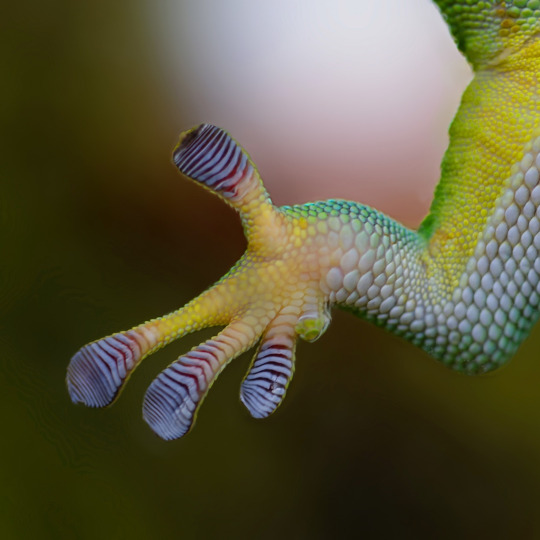
Many species of gecko can walk up smooth surfaces like stone walls and even glass. Scientists studied the pads on the toes of one species, the Tokay gecko, and discovered that tiny, microscopic hairs help them “stick” to surfaces. Who would have thought having hairy toes could have its advantages? By mimicking gecko toes, we have developed adhesives, a way to close wounds without stitches, and more.

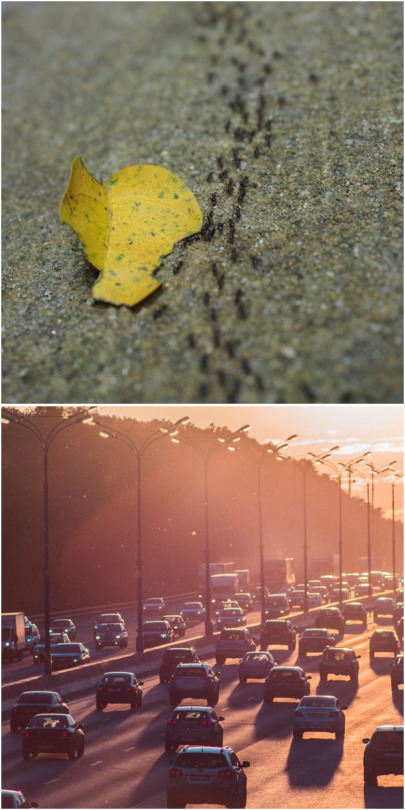
Ants may have the answer to traffic jams

image

Nobody likes sitting in traffic, not even ants. Have you ever seen lines of ants travelling right next to each other but going in opposite directions? They appear like traffic flowing on a highway, but without rush hour gridlock. Learning how ant columns move can help us improve highway traffic, especially as autonomous vehicles develop.

Fun fact

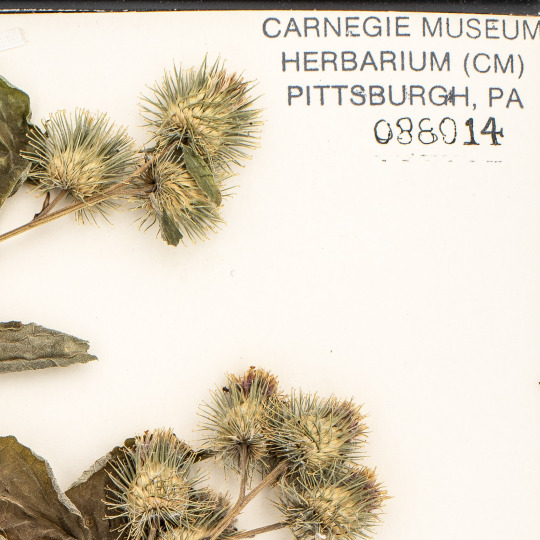
Perhaps the most famous example of biomimicry is Velcro. In 1941, engineer George de Mestral was walking his dog when he noticed burrs (like the ones pictured below) sticking to both of them. When he studied the burrs under magnification he found their clinging property was the result of hundreds of tiny hooks. His observation sparked the idea for the very useful invention we know as Velcro fastening.

image

What would you create using biomimicry?

Inspiration can be found by land, sea and air! Here are a few more examples of biomimicry:

Down feather insulation. Heavy winter coats are stuffed with down or other feathers so that we can stay warm without flying south for the winter.

Termite mound cooling. The way these tiny insects drill holes in their mounds to cool down in the hot African Savannah has inspired architects to develop buildings that are more efficient.

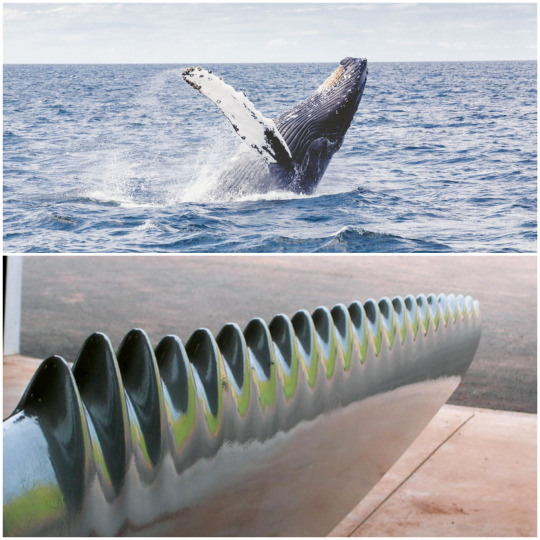
Humpback whale wind turbines. The ridges on the pectoral fins of humpback whales create an aerodynamic flow in water. They also inspired the shape of wind turbine blades.

image

Beetle water collection. The dung beetle may be most popular for other attributes, but it also collects fog on its shell and funnels it to its mouth to drink in arid environments. This has inspired researchers to study how we can pull fresh water from fog or dew.

Spider web glass. A spider’s web is one of the strongest designs in nature. The webbing pattern has been copied by automotive industries so that windshields crack but do not shatter.

Now it’s your turn to create a new innovation based on something found in nature! Be as creative as you want and, with your parent’s permission, tag us on social media @carnegiemnh so we can see what you made!

A Nature Lab blog by Eddie Phillips.

Filed Under: Blog Tagged With: Education, Nature Lab

  • « Go to Previous Page
  • Page 1
  • Interim pages omitted …
  • Page 10
  • Page 11
  • Page 12
  • Page 13
  • Page 14
  • Page 15
  • Go to Next Page »

sidebar

About

  • Mission & Commitments
  • Directors Team
  • Museum History

Get Involved

  • Volunteer
  • Membership
  • Carnegie Discoverers
  • Donate
  • Employment
  • Events

Bring a Group

  • Groups of 10 or More
  • Birthday Parties at the Museum
  • Field Trips

Powdermill

  • Powdermill Nature Reserve
  • Powdermill Field Trips
  • Powdermill Staff
  • Research at Powdermill

More Information

  • Image Permission Requests
  • Science Stories
  • Accessibility
  • Shopping Cart
  • Contact
  • Visitor Policies
Stay in the loop! Sign up for our newsletter(s).
One of the Four Carnegie Museums | © Carnegie Institute | Privacy Policy | Terms of Use | Accessibility
Rad works here logo