• Skip to primary navigation
  • Skip to main content
  • Skip to primary sidebar

Carnegie Museum of Natural History

One of the Four Carnegie Museums of Pittsburgh

  • Visit
    • Buy Tickets
    • Visitor Information
    • Exhibitions
    • Events
    • Dining at the Museum
    • Celebrate at the Museum
    • Powdermill Nature Reserve
    • Event Venue Rental
  • Learn
    • Field Trips
    • Educator Information
    • Programs at the Museum
    • Bring the Museum to You
    • Guided Programs FAQ
    • Programs Online
    • Climate and Rural Systems Partnership
  • Research
    • Scientific Sections
    • Science Stories
    • Science Videos
    • Senior Science & Research Staff
    • Museum Library
    • Science Seminars
    • Scientific Publications
    • Specimen and Artifact Identification
  • About
    • Mission & Commitments
    • Directors Team
    • Museum History
  • Tickets
  • Give
  • Shop

Enjoy the Museum from Home via our Blog

Can't make it to the museum in person? We've done our best to help cultivate resources for you to enjoy from home. Activities for the whole family, different ways to experience our exhibitions and more are included in these blogs.

May 4, 2020 by wpengine

Math In Nature? It All Adds Up!

For all of its breathtaking beauty and seemingly spontaneous happenings, there are also some surprisingly consistent patterns in nature that math can help us understand. These patterns literally shape nature and the world around us. Let’s a take a closer look at some of these phenomena and how they work.

The Fibonacci Sequence
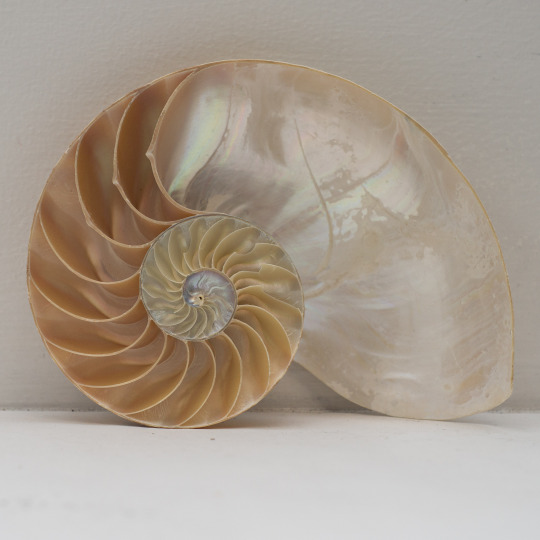
photo of spiral shell

What do the numbers 0, 1, 1, 2, 3, 5, 8, 13, 21, 34, 55, 89, 144, 233 have in common? At first glance, it’s just a jumble of numbers, right? But there’s a distinct pattern within. Starting with 0 and 1, you add those numbers together. What does it equal? 1! Then add 1 and 1 to get 2, then 2 and 3 to get 5 and so on. This sequence can be found in the spirals of shells, the shape of a pine cone and even in the family trees of certain animals. Can you add to the sequence mentioned in the first line of this paragraph? What comes after 233? See how far you can go!
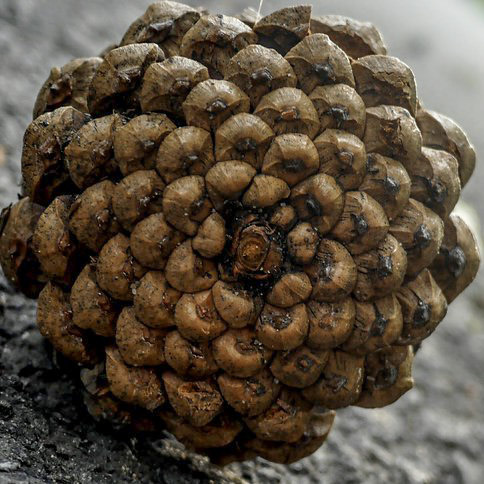
photo of bottom of pine cone

Don’t Be Stumped By That Tree

You can tell how old a tree is by counting the rings. Each one changes in shade from light to dark and is separated by a distinct dark circle. The lighter area is wood that grew faster in the spring in summer. The dark parts represent the slowed growth in the winter and fall. Knowing how old the tree is benefits scientists in numerous ways, including the study of climate change. Those rings hold secrets to the weather patterns of each year and by studying each ring, scientists can get a detailed look at how climate changed during the tree’s lifetime.

Math Is Out Of This World

That’s right, math’s reach goes way beyond earth. Our solar system is actually a Fibonacci spiral. One of the coolest events in the galaxy, a solar eclipse, can be explained by math. The eclipse happens when the moon blocks the view of the sun from earth. But how can this happen when the sun is 400 times larger than the moon? The moon is about 400 times closer to the sun, creating the perfect angle for an incredible occurrence.

Fun Fact

While rounded shapes are common in nature, so are shapes with angles. One of the most common is the hexagon. Honeycombs, snowflakes, and the eyes of some insects are just a few examples of the hexagon appearing in nature.

image of Dippy logo without a tail

Help Create Dippy’s Fabulous Fibonacci Tail!

You have probably noticed that Dippy has a sense for fashion. In addition to that iconic scarf collection, not to mention all of those trendy hats, Dippy is looking to expand his fashion sense. Dippy is pretty tired of that whip-like tail and wants to try on something new. Since we just learned about the Fibonacci sequence, we’ll need you to create a stylish new tail. Use the template below to draw a Fibonacci spiral tail and then decorate any way you like. With a parent’s permission, tag Dippy on social media (@Dippy_the_Dino) to show them the awesomeness you created!
Filed Under: Blog Tagged With: Education, Museum from Home, Nature 360, Nature Lab

May 1, 2020 by wpengine

The Giant Eurypterid Trackway: A Great Fossil Discovery on Display in the Carnegie Museum of Natural History

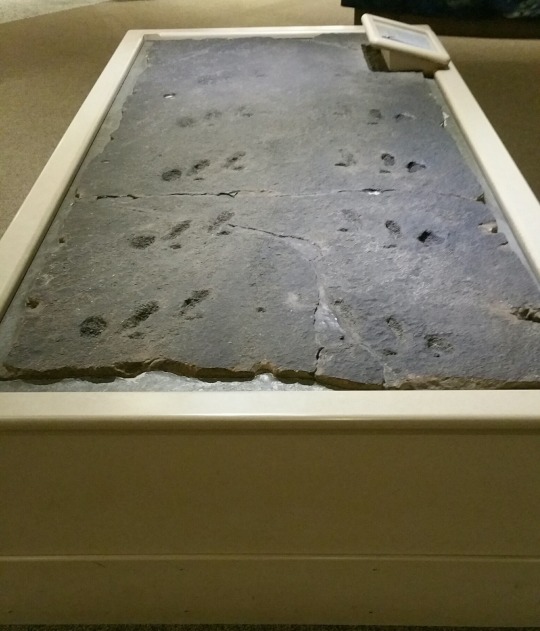
Figure 1.

When museum patrons enter Carnegie Museum of Natural History’s Benedum Hall of Geology, they encounter a one-ton block of coarse sandstone with a series of bilateral footprints encased on the rock’s surface. Most visitors don’t know what type of creature made these footprints (Fig. 1) or realize that this fossil trackway represents one of the great fossil discoveries in the history of western Pennsylvania paleontology.

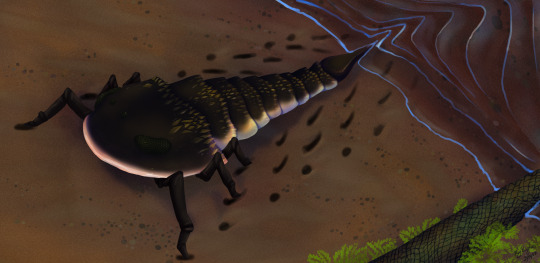
Figure 2. Illustration by Kay Hughes.

Last month, the cover of Pennsylvania Geology (Fig. 2) helped address both deficiencies. The magazine bears a colorful illustration by Kay Hughes of a 315 million-year-old scene: a large six-legged arthropod emerging from the water and dragging its tail onto a sand bar among fallen Lepidodendron logs. The intruder is a Giant Eurypterid, a creature known to science as Palmichnium kosinskiorum, and a member of an extinct family of arthropods informally called “sea scorpions” that are distant biological cousins.

Within the journal is a fuller explanation for the artistic interpretation of the creature behind the Benedum Hall trackway, an article I co-wrote with Kay Hughes and John Harper titled, Reflections on Palmichnium kosinskiorum-The Footprints of Pennsylvania’s Elusive Elk County Monster.

Fortuitous Discovery

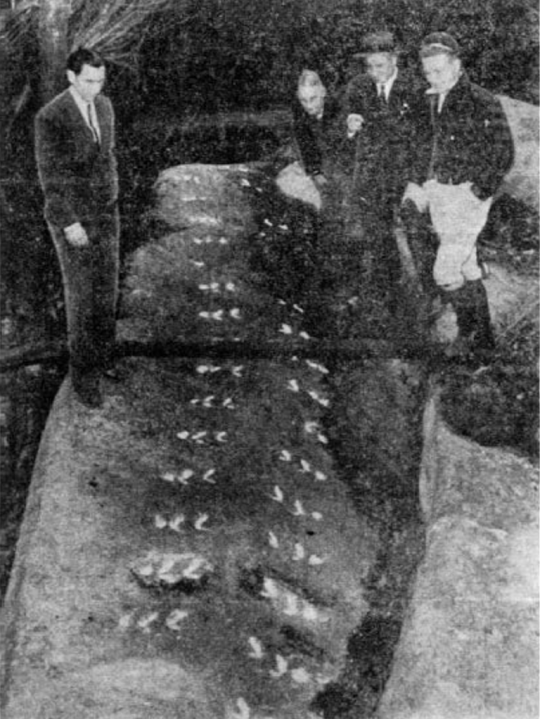
Figure 3. Photograph of Elk County in situ trackway looking southward (Brezinski and Kollar 2016).

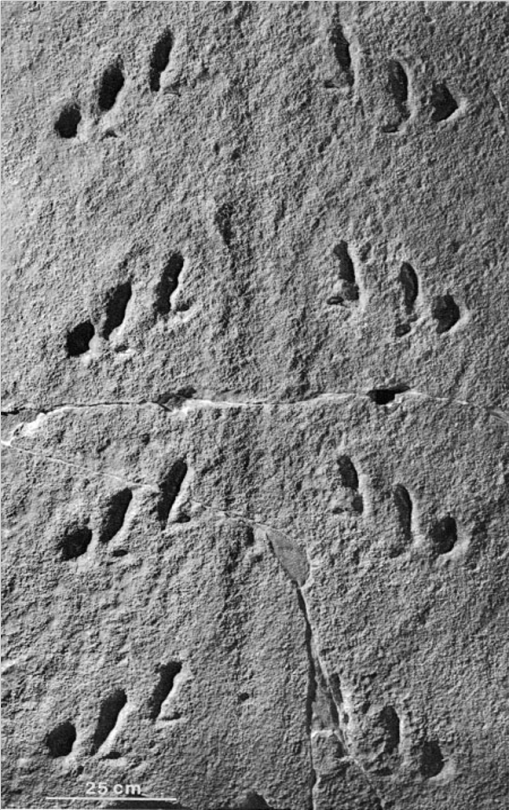
Figure 4. Trackway closeup showing tail drag on display in Benedum Hall of Geology (Brezinski and Kollar 2016)

Seventy-two years ago, in an Elk County section of the Allegheny National Forest, James Kosinski, a preparator in the Education Department of Carnegie Museum of Natural History, and his brother Michael were hunting deer in heavily wooded terrain. When Michael stumbled upon a large sandstone boulder bearing a pattern of unusual impressions, he informed James, who (Fig. 3) immediately recognized the impressions as the fossil tracks of an unknown animal (Fig. 4).

Later, when James described the discovery to Carnegie Museum’s Dr. E. Rudy Eller, Curator of the Section of Invertebrate Paleontology, and Dr. J. Leroy Kay, Curator of Vertebrate Paleontology, plans were made to remove a section of the boulder containing the best-preserved section of the trackway and transport the heavy block to the museum.

Exhibit History

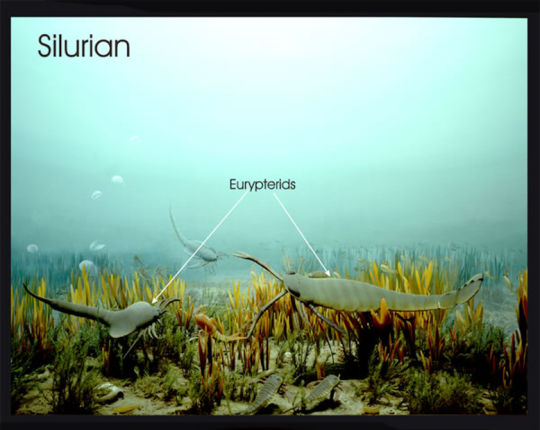
Figure 5. Former Paleozoic Hall Silurian Period Marine Diorama with Eurypterids.

Upon arrival at the museum in 1948, the sandstone block was prepared for exhibition and placed near the museum’s Coal Forest exhibit in 1949. In 1965, the trackway was incorporated as a floor centerpiece in the newly open Paleozoic Hall which featured dioramas of characteristic life forms of that Era’s time periods (Cambrian, Ordovician, Silurian, Devonian, Pennsylvanian, and Permian) along with representative fossils from the museum collection. (Fig. 5) In 1998, when Paleozoic Hall was dismantled, the trackway was placed temporarily in the Invertebrate Paleontology lab. The trackway returned to public view in 2007 as part of Bizarre Beasts, a temporary exhibition in the R. P. Simmons Family Gallery about unusual life forms. When Bizarre Beasts closed, I worked with James Senior, Chair of the museum’s Exhibit Department, to place the trackway in the Benedum Hall of Geology entrance as an introduction to great fossil discoveries from western Pennsylvania.

The Research – Locality Data Supports Recent Theory

The fossil trackway was initially identified by Dr. Kay as a hopping reptile inhabiting a Pennsylvanian coal forest 300 million years ago. Although Dr. Eller, citing his own research, suggested the track was formed by a crawling eurypterid, it would take 35 more years for the fossil trackway to be studied by expert arthropod paleontologists from Europe.

The eventual designation of Palmichnium kosinskiorum as a holotype specimen (CM 34388), a category of first order scientific importance, dates to the fossil’s description as a eurypterid trackway in a 1983 research paper by Dr. Derek E. G., Briggs and Dr. W. D. J. Rolfe, titled, A giant arthropod trackway from the Lower Mississippian of Pennsylvania (Journal of Paleontology, 57, 377 – 390). In paleontology, when a non-scientist such as Michael Kosinski discovers a fossil of importance, paleontologists, in this case Derek Briggs and Ian Rolfe, name the new fossil species after the founder, hence P. kosinskiorum.

For years, paleontologists in the Section of Invertebrate Paleontology assumed the scientific conclusions of Briggs and Rolfe (1983) about the eurypterid trackway were beyond dispute. This situation changed in 2009, when Yale University Professor Adolph Seilacher, a world-renowned expert on fossil trackways visited the museum. While Briggs and Rolfe concluded the trackway formed in a marine sandstone, Seilacher explained to me that the trackway was likely formed in an eolian or wind-blown sand environment. He also recommended that someone investigate the rocks at the fossil location in Elk County to substantiate his hypothesis.

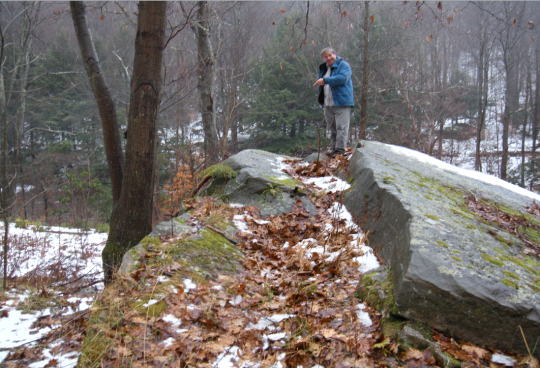
Figure 6. D.K. Brezinski at trackway. 

Later that year, when I accompanied David K. Brezinski, Associate Curator Adjunct, Section of Invertebrate Paleontology, to re-locate and re-examine the sandstone boulder with the remaining tracks, we discovered the original geologic and deposition conclusion by Briggs and Rolfe (1983) was incorrect (Fig. 6). In 2011, we reported these new findings at the Northeastern Sectional Meeting of the Geological Society of America in Pittsburgh.  After the meeting, we continued our research and eventually published our conclusion that the geologic age of the trackway was Early Pennsylvanian age and the embedded footprints represented a fluvial sand bar environment of deposition.(Reevaluation of the Age and Provenance of the Giant Palmichnium Kosinskiorum Eurypterid Trackway, from Elk County, Pennsylvania, Brezinski and Kollar (2016),  Annals of Carnegie Museum 84, 39 – 45,)

School Groups and Museum Interpreters

Based upon repeated anecdotal reports from the Interpreters who guide tour groups through the museum’s exhibit halls, the eurypterid trackway is one of the most celebrated education stops for elementary school students. According to Interpreter Patty Dineen, the appealing factors of the trackway include the size and possible scariness of the creature who made the tracks, the fact the track-maker lived long before the dinosaurs, the fossil’s local origin, and the sheer amount for information that can be gathered from the ancient preserved tracks.

Figure 7. Interpreter field trip.

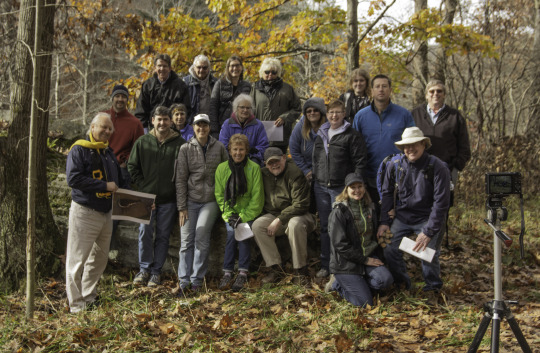
As part of an effort to better inform school groups about the eurypterid trackway, in 2017 Patty Dineen and Joann Wilson, co-coordinators and instructors for the museum’s Natural History Interpreters, arranged for six Interpreters to participate in a PAlS geology fall field trip to the fossil site in Elk County. (Fig. 7) An important by-product of field excursion was the creation of an instructional video that explains how museum scientists conduct research.

“Treasures of the Carnegie” Planning for a better Trackway Experience

Now that an illustration exists (Fig. 1) of the eurypterid that shaped the trackway walking out of the 315 million-year-old Olean River onto a sand bar, it might be time to consider how to best devise an improved visual and virtual tour experience for the Carnegie patrons and school groups.

Albert D. Kollar is Collections Manager for the Section of Invertebrate Paleontology at Carnegie Museum of Natural History. Museum staff, volunteers, and interns are encouraged to blog about their unique experiences and knowledge gained from working at the museum.

Filed Under: Blog Tagged With: Albert Kollar, Benedum Hall of Geology, invertebrate paleontology, Museum from Home, Science News

April 29, 2020 by wpengine

The Great Roly-Poly

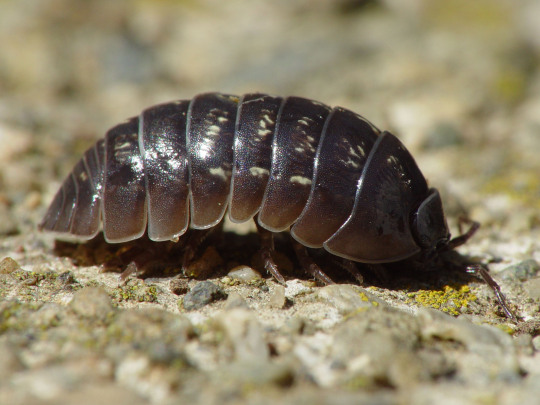
April showers may bring May flowers, but they also create the perfect moist conditions for one of my favorite garden residents—the humble woodlouse.  These are cute little terrestrial isopods known by many, many regional names.  They have too many legs to be an insect or arachnid, but they’re also not leggy enough to be millipedes or centipedes.  Instead, woodlice are crustaceans, sharing family gatherings with lobsters and crabs, and although they are mostly land lubbers, they do prefer damp soil and wetter environments—like cool, humid basements.

The name is often the most confusing bit.  I called them pill bugs as a kid, but others called them potato bugs.  In the United States and Canada, you might also call them tomato bugs, sow bugs, wood bugs, armadillo bugs, doodle bugs, roly-polies, carpenters, or boat-builders.  In Australia they’re a butchy boy, and in New Zealand they’re a slater.  But in the playfully creative UK they are cheesy bugs, cheesy bobs, or cheeselogs; chiggy pig, chucky pig, or chuggy peg; and daddy grampher, crawley baker, or granny grey.  In science they’re a terrestrial isopod in the suborder Oniscidea, but for now I’ll call them woodlice.

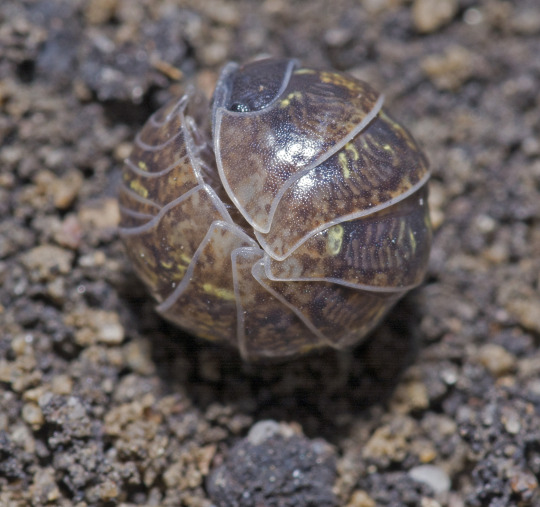
Perhaps they’re most endearing characteristic is their ability to roll up into a ball, or conglobate, to evade predators—of which they have many, including the specialist woodlouse spider. The woodlouse’s ball form is an impressive feat, reminiscent of hedgehogs and armadillos, and to miniature predators the rolled-up roly-poly is a fortress—though the mouse may see a convenient bite to eat.

The purpose of a woodlouse might seem unclear.  What is this crustacean doing in a garden or a forest?  And the truth is that the woodlouse is a member of a unique class of organisms that perform an incredibly important function—decomposing.  Woodlice munch on dead plant matter, such as wood, leaves, and fruits.  In return, woodlice add organic matter to soil which helps plants and animals up the food chain—also think fresh, free fertilizer for your garden.

So, here’s to the unsung hero of the understory! Here’s to the great roly-poly!

Aaron Young is a museum educator on Carnegie Museum of Natural History’s Outreach team. Museum staff, volunteers, and interns are encouraged to blog about their unique experiences and knowledge gained from working at the museum.

Related Content

Do No Harm: Dealing with Spotted Lanternflies

So, Just What is a Wheel Bug?

Can’t Choose Just One: Asking an Entomologist to Name Their Favorite Native Species

Carnegie Museum of Natural History Blog Citation Information

Blog author: Young, Aaron
Publication date: April 29, 2020

Share this post!

  • Share on Twitter Share on Twitter
  • Share on Facebook Share on Facebook
  • Share on Pinterest Share on Pinterest
  • Share on LinkedIn Share on LinkedIn
  • Share on Reddit Share on Reddit
  • Share via Email Share via Email

Filed Under: Blog Tagged With: City Nature Challenge ID, Museum from Home

April 29, 2020 by wpengine

Lost and Found

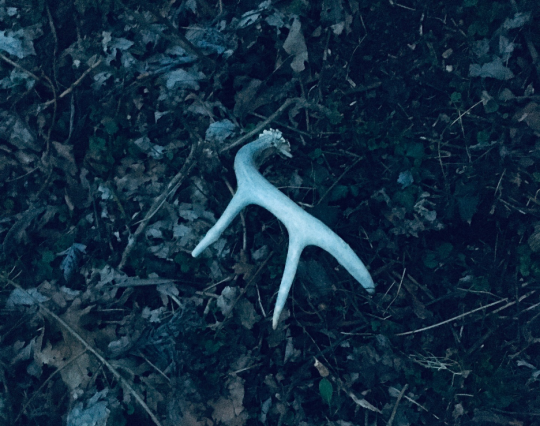
In the darkening woods of an early spring evening, the deer antler practically glowed. After retrieving and examining the bone-like left-side appendage, I walked a wide circle within my neighbor’s wooded property hoping to spot a matching right-side antler.

Male deer grow and shed antlers annually, a process driven by changes in daylight, and controlled, like so many biological operations, by the chemical signals of hormones. Antler to skull connections are solid during the breeding season but dropping testosterone levels eventually weaken the link. Because white-tailed deer bucks in our region frequently shed antlers by mid-January, my multi-point find might well have spent ten weeks on the ground.

As a museum educator I appreciate the potential of antlers as teaching tools. Science teachers often borrow sets of them to illustrate lessons about sexual selection in evolution, and in Discovery Basecamp, the museum’s object-centered learning center, visitors frequently pose for pictures holding white-tailed deer antlers just above their own ears.

The specimen pictured above has been put to a different use. It currently rests on the ground amidst a tangle of wild grapevine near where I originally found it. The location is a place where I can occasionally check the rate at which various rodents gnaw on the antler, and thereby recycle much of its calcium into the same system it was briefly pulled from.

Patrick McShea works in the Education and Visitor Experience department of Carnegie Museum of Natural History. Museum employees are encouraged to blog about their unique experiences and knowledge gained from working at the museum.

Filed Under: Blog Tagged With: Education, Museum from Home, Patrick McShea

April 29, 2020 by wpengine

The Birds and the Trees

The City Nature Challenge is a great way to get outdoors in a socially responsible way and see the living things that make up our neighborhoods. If you want to make it even more of a challenge, try this game in which you collect sightings of birds and trees from common to rare to ultra rare. Play with your friends to see who can collect the most points and share your findings on iNaturalist!

Birds

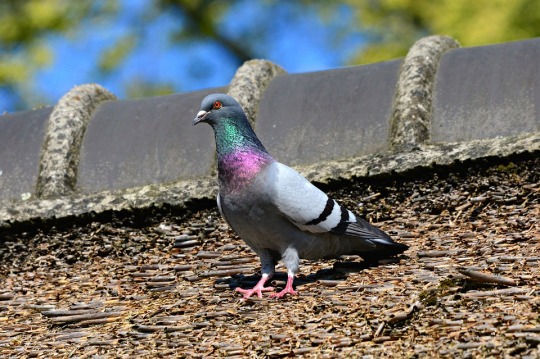
1 point: Rock Dove. You may know this well-known city dweller by its common nickname, the pigeon. Their gray bodies and black banded wings make pigeons easy to recognize.

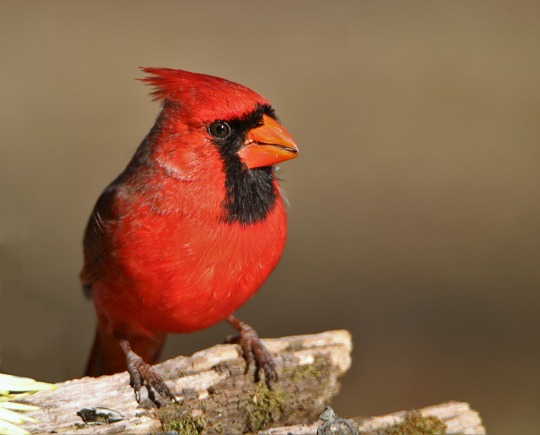
2 points: Northern Cardinal. Also known as redbirds, these brightly-colored birds are hard to miss. Males have red bodies, a prominent crest, orange beaks and black markings around their face. Females have brown bodies and a reddish-orange tint in their wings, although their facial markings and beaks are similar to males.

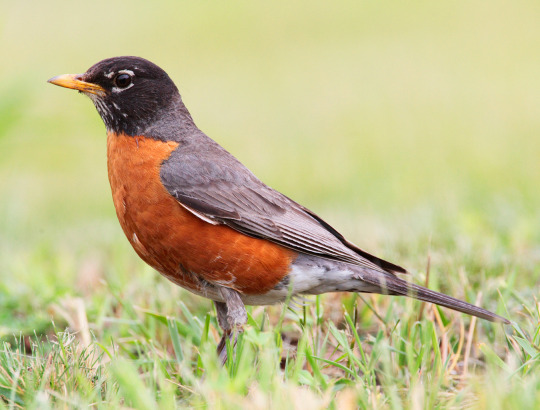
3 points: American Robin. This songbird is recognizable by its orange-red breast, gray body,  and stocky build. Because robins feed on the ground at this time of year, they are easy to spot.

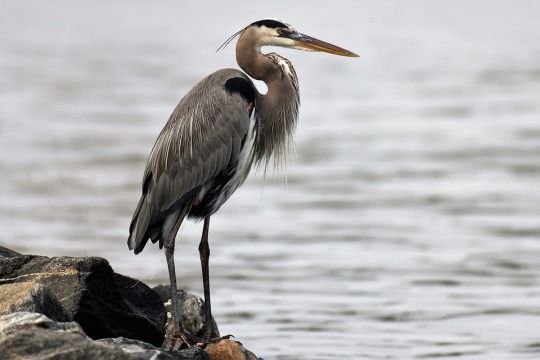
4 points: Great Blue Heron. Rare! A larger bird than the others mentioned so far, this bird enjoys wading in water and using its long bill to snatch up meals. It’s more of a grayish blue shade with a yellow bill and prominent black plumes of feathers on its head. You may even find one close to the Carnegie Museum of Natural History. They have been known to visit Panther Hollow Lake in nearby Schenley Park.

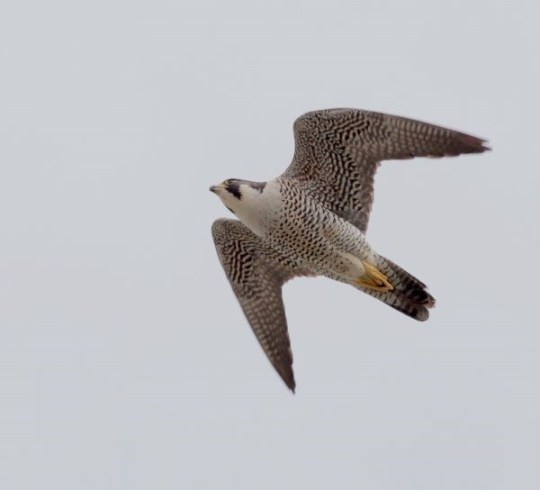
5 points: Peregrine Falcon. Rare! About the size of a crow, this bird of prey has a white breast speckled with brownish dots and a darker back. They like to perch in high places, like the Cathedral of Learning in Oakland. When these birds fly over Oakland, they can sometimes be identified by their sharp-winged silhouette.

Trees

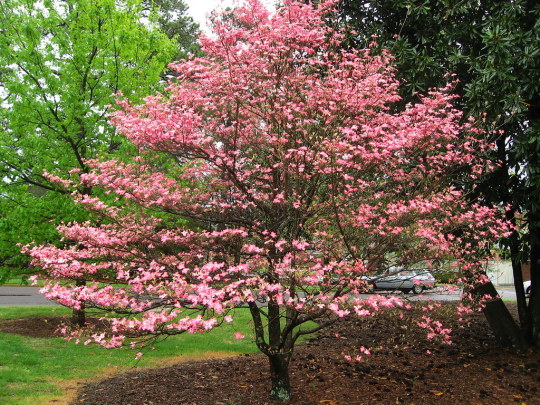
1 point: Flowering Dogwood. How can you identify a dogwood tree? By its bark! Beneath the lovely white and pink bloom of flowers, this tree features a distinct bark that resembles scales. In the coming weeks, look for the incredible bloom of flowers to locate a dogwood tree. These are planted along streets in the city, where they can bloom a few weeks earlier because the hard surfaces in cities trap heat.

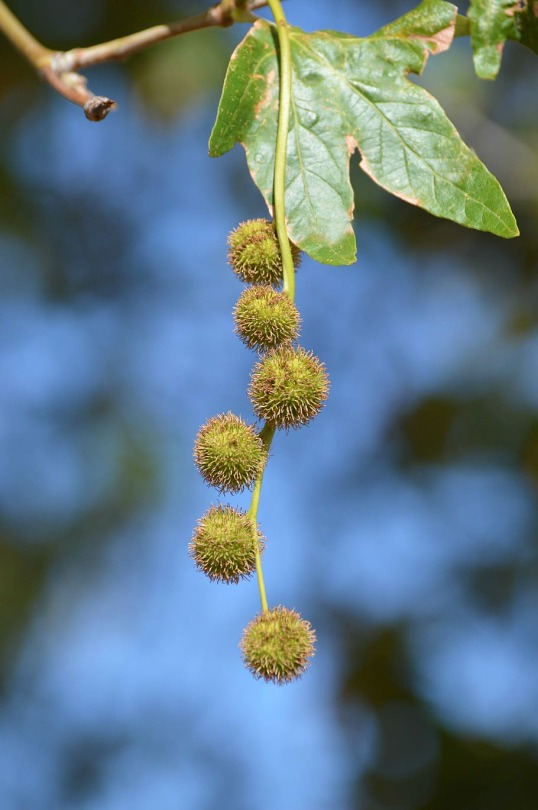
2 points: American Sycamore. These can grow up to 100 feet high and can live for 600 years. They are known for their scaly white and gray bark, and the brown, bumpy fruit balls that hang from branches and drop in the fall. Look for them in parks.

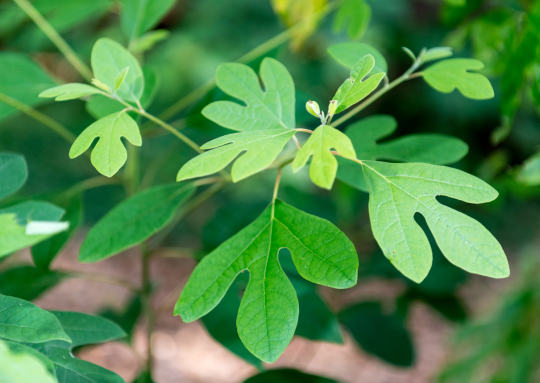
3 points: Sassafras. Perhaps easier to spot in the fall with their exuberant colors, sassafras leaves are recognizable all year-round due to their unique leaves. This park tree produces leaves with three shapes – oval, two-lobed, and three-lobed – sometimes right next to each other.

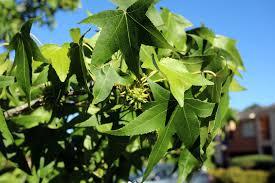
4 points: Sweet Gum. Rare! This tree is known for its distinct star-shaped leaves and spiky fruit balls that hang from its branches. Its seeds feed wildlife like squirrels and different species of birds. Look along city streets, where these may have been planted.

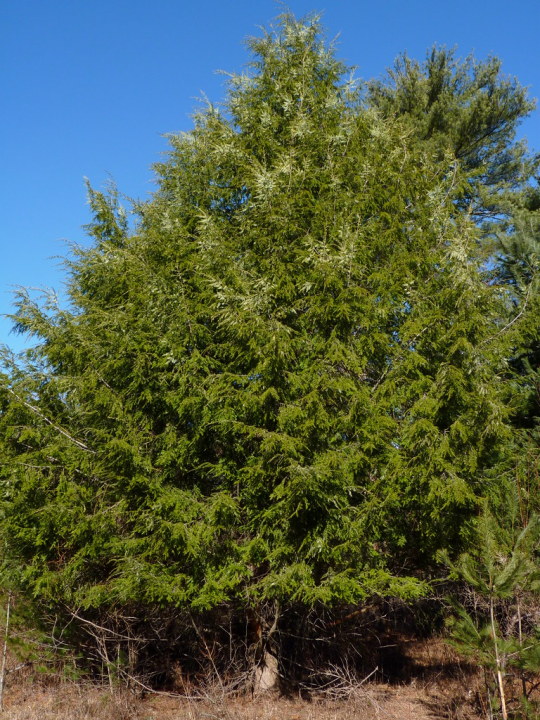
5 points: Eastern Hemlock. Rare! This large coniferous tree sports small needles and pine cones. Its large, shady branches keep forests cool and provide shelter to numerous bird species. It favors locations such as stream hollows in parks and also is the state tree of Pennsylvania.

Did you see a bird on the list perched in one of the mentioned trees? That’s an ultra-rare! Give yourself five additional points if that happened. Now, add up your total and compare it with friends.

Filed Under: Blog Tagged With: City Nature Challenge, Museum from Home, Nature Lab

April 29, 2020 by wpengine

Nature in Sidewalk Cracks

When you hear the word “nature,” what scenes do you think of? Mountains, streams, and forests? Cities are probably not the first places that come to mind. Living in Pittsburgh, you might notice buildings and roads at first glance, but what happens when you start looking a little closer? Try searching for nature in unexpected places and you’ll see that nature has the power to survive in and transform spaces all around you.

Growing in Strange Places

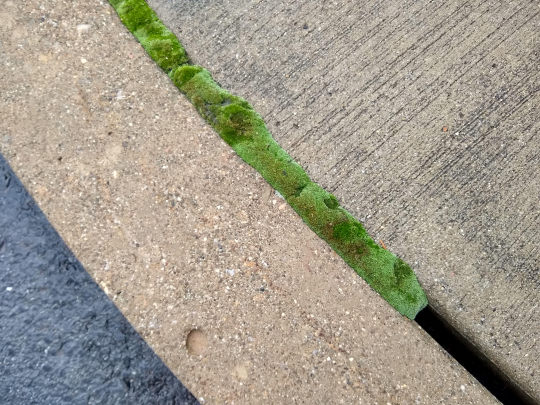
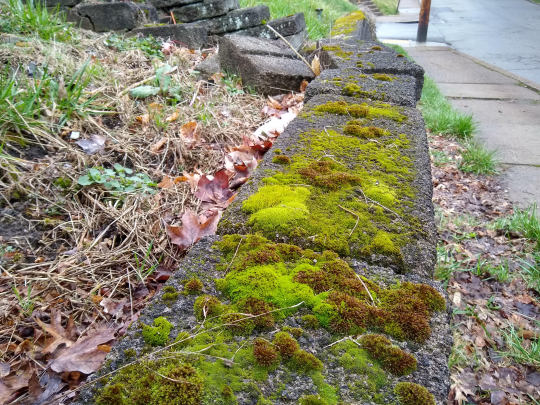
Nature is most likely crawling past you while you’re walking on the sidewalk. Most sidewalks and roads have cracks where small amounts of soil form and different plants can begin to flourish. Shallow cracks will house things like mosses while larger cracks favor small weeds or flowering plants. Anything growing in a sidewalk crack or groove must adapt to harsh environmental conditions like heat and lack of nutrients.

Some people have even gone as far to purposefully grow plants or herbs in their sidewalk cracks. With replacement concrete being expensive, some homeowners have grown herbs like thyme or mint so when someone walks by the scent is released. Although this may expand the sidewalk cracks further, it’s a fun way to incorporate nature in your urban life.

Exploring Sidewalk Cracks

Pat Howe, coordinator of the Natural History Interpreter program at Carnegie Museum of Natural History, shared photos of plants growing in unusual places right in her neighborhood. She was able to find moss growing on rocks and inside of a sidewalk crack, garlic mustard growing between stairs, and grass beginning to sprout on a manhole cover.

If you’re having trouble identifying what you found, iNaturalist is a great tool for learning the names of some things we see daily but don’t know much about. Download the app, snap a photo, and let other users identify your findings for you! If you share your photos on iNaturalist between April 24 and April 27, 2020 you’ll be a part of the global City Nature Challenge!

What can you find in different cracks around you? The next time you’re walking down the street, take a closer look at your sidewalk and see what you can find! We’d love to see your findings. Email them to us at nature360@carnegiemnh.org or tag us on social media @CarnegieMNH.

Filed Under: Blog Tagged With: City Nature Challenge, Museum from Home, Nature 360, Nature Lab

  • « Go to Previous Page
  • Page 1
  • Interim pages omitted …
  • Page 19
  • Page 20
  • Page 21
  • Page 22
  • Page 23
  • Interim pages omitted …
  • Page 26
  • Go to Next Page »

sidebar

About

  • Mission & Commitments
  • Directors Team
  • Museum History

Get Involved

  • Volunteer
  • Membership
  • Carnegie Discoverers
  • Donate
  • Employment
  • Events

Bring a Group

  • Groups of 10 or More
  • Birthday Parties at the Museum
  • Field Trips

Powdermill

  • Powdermill Nature Reserve
  • Powdermill Field Trips
  • Powdermill Staff
  • Research at Powdermill

More Information

  • Image Permission Requests
  • Science Stories
  • Accessibility
  • Shopping Cart
  • Contact
  • Visitor Policies
One of the Four Carnegie Museums | © Carnegie Institute | Privacy Policy | Terms of Use | Accessibility
Rad works here logo