• Skip to primary navigation
  • Skip to main content
  • Skip to primary sidebar

Carnegie Museum of Natural History

One of the Four Carnegie Museums of Pittsburgh

  • Visit
    • Buy Tickets
    • Visitor Information
    • Exhibitions
    • Events
    • Dining at the Museum
    • Celebrate at the Museum
    • Powdermill Nature Reserve
    • Event Venue Rental
    • Gift Cards
  • Learn
    • Field Trips
    • Educator Information
    • Programs at the Museum
    • Bring the Museum to You
    • Guided Programs FAQ
    • Programs Online
    • Climate and Rural Systems Partnership
  • Research
    • Scientific Sections
    • Science Stories
    • Science Videos
    • Senior Science & Research Staff
    • Museum Library
    • Science Seminars
    • Scientific Publications
    • Specimen and Artifact Identification
  • About
    • Mission & Commitments
    • Directors Team
    • Museum History
  • Tickets
  • Give
  • Shop

Blogs about Pittsburgh

Carnegie Museum of Natural History is in Pittsburgh, Pennsylvania. Many of the museum's collection specimens are from the local area, including our Botany, Invertebrate Paleontology, and Herpetology specimens. Our collections and our community often influence our work, whether that includes researching climate change, air pollution improvements from the closing of steel mills in the city, or invasive species.

June 27, 2016 by wpengine

Remembering Restoration

Grand Staircase muralHave you ever noticed two dark squares in the mural on Carnegie Museum of Natural History’s grand staircase?

When you’re taking in the grandeur of three stories of paintings that make up The Crowning of Labor mural the squares are easy to miss.

In the small squares, the paintings colors are darker and less vibrant because they’re covered in a thick layer of soot – a relic from Pittsburgh’s smoggy past.

Pittsburgh was famous for its bad air quality, a result of steel mills that made the city prosperous for decades.  Their effects were known to blacken school children’s white uniforms, the façade of buildings, and even art. The entire mural was dark and obscured by soot until it was restored in 1995, by a team of Carnegie art conservators.

The conservators left a small piece of unrestored painting on the second and third floors, as a reminder of Pittsburgh’s past and of the work it took to preserve this amazing piece of art.
Filed Under: Blog Tagged With: art, Collection Care and Conservation, Pittsburgh, restoration

June 26, 2016 by wpengine

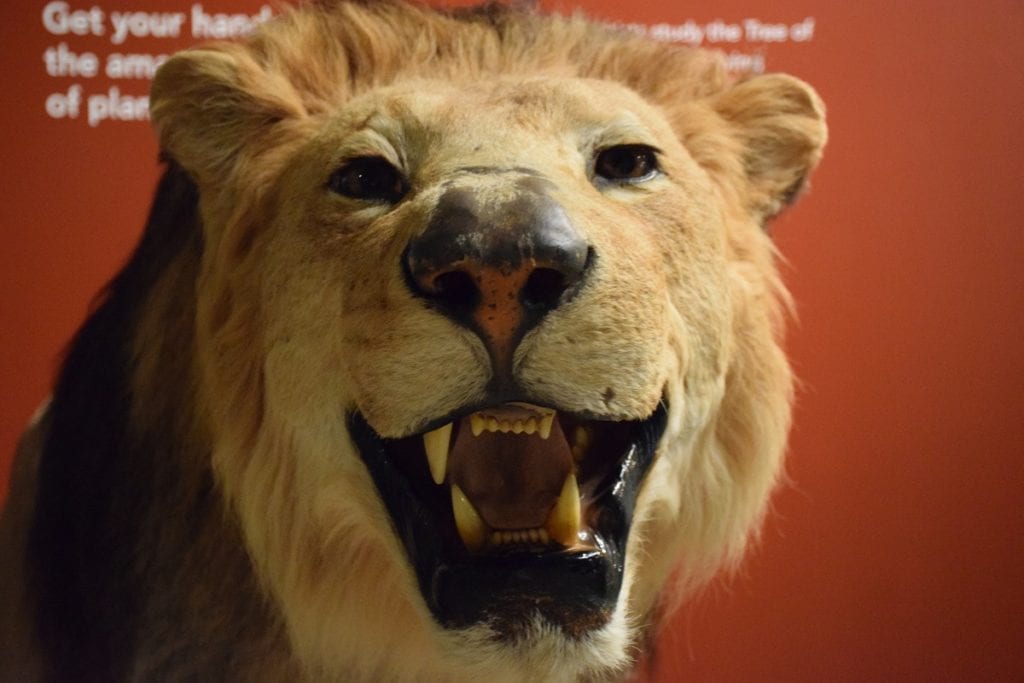
You can pet the mane of this lion

Lion Head

You can pet the mane of this lion at Discovery Basecamp, our new permanent gallery where visitors can explore, touch, and examine specimens from nature up close.

Filed Under: Blog Tagged With: discovery, discovery basecamp, Pittsburgh

June 24, 2016 by wpengine

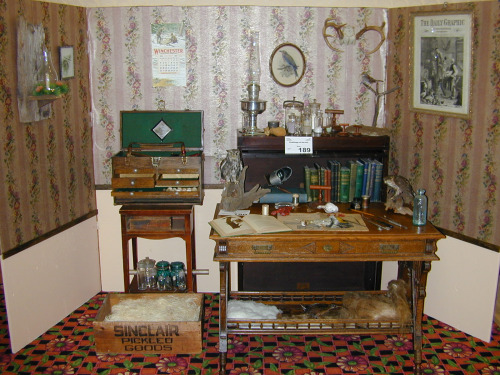
The Taxidermists’ Table

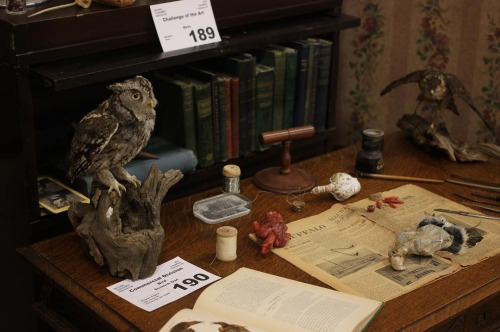
taxidermist's table with bird specimens and old publications

By Steve Rogers

The National Taxidermists Association met at Seven Springs in early June 2016 and Carnegie Museum of Natural History Collection Manager Stephen Rogers was invited to give a seminar on the early history of taxidermy in the United States.

On a whim he decided to create a piece for the competition held at this meeting. Since he is an historical taxidermy buff and collects old publications, tools, as well as antique furniture, he created a taxidermists’ work table as it may have been circa 1898.

The table held a skinned out flicker made to look fresh (coated with glycerin), a faux carcass and bits of flesh made of wax, a hand-wrapped artificial body which would have been put inside the skin, a book on the Birds of Pennsylvania opened to a hand-colored plate on flickers, and then eyes and tools that might be used in the process.

recreated taxidermists’ work table as it may have looked in 1898

Behind the table was a re-created room with antique looking wallpaper with various decorations on the wall, deer antlers, an 1898 poster of a Winchester calendar, and a framed 1873 newspaper with a woodcut depicting a taxidermist and an ornithologist.

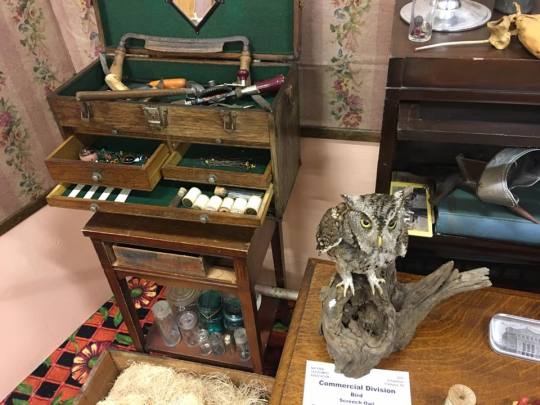
Assorted other birds, a tool chest with period tools, and supplies to mount birds (excelsior, tow, cotton, glass eyes of different sorts, etc.) were also present. A library of 15 taxidermist and naturalist books published between 1874 and 1898 were in a lawyer’s glass-front bookshelf alongside a Stereoviewer with a handful of stereophotographs depicting taxidermy.

Glass jars containing what appeared to various noxious chemicals were set on top of the bookshelf. A number of people asked about the green chemical in one jar. Was it arsenic? – No, just some powdered lime Jell-O.

taxidermied owl on a table

The public as well as the taxidermists who attended the convention were able to vote for pieces in the competition. The exhibit won ‘People Choice – Original Art’. But more importantly, it gave people and appreciation for history and reference for those that came before.

Steve Rogers is a collections manager at Carnegie Museum of Natural History. Museum employees are encouraged to blog about their unique experiences and knowledge gained from working at the museum. 

Carnegie Museum of Natural History Blog Citation Information

Blog author: Steve Rogers
Publication date: June 24, 2016

Share this post!

  • Share on Twitter Share on Twitter
  • Share on Facebook Share on Facebook
  • Share on Pinterest Share on Pinterest
  • Share on LinkedIn Share on LinkedIn
  • Share on Reddit Share on Reddit
  • Share via Email Share via Email

Filed Under: Blog Tagged With: museums, Pittsburgh, Stephen Rogers, taxidermy

June 23, 2016 by wpengine

The Ba in Ancient Egyptian Culture

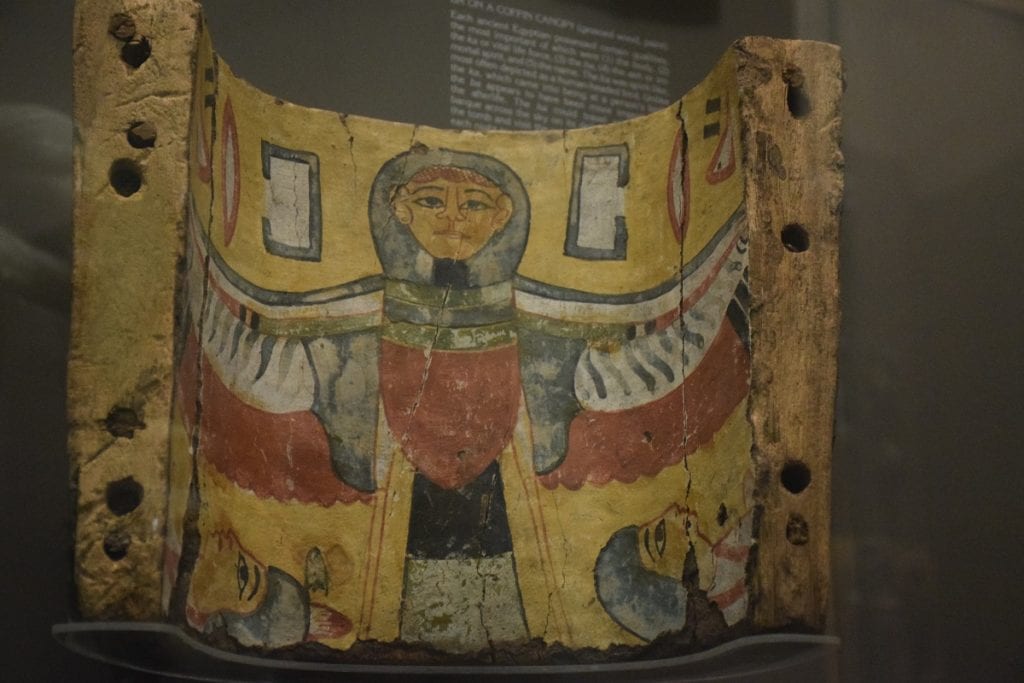
image of ba, human head on bird body

The image on this coffin canopy in Walton Hall of Ancient Egypt represents the ba, which was the spirit-like quality Egyptians believed all people possessed.

The ba is most often depicted as a human-headed bird.  A person’s ba was considered important in the afterlife, where it could visit the world of the living during the day and return to the world of the deceased at night.

Filed Under: Blog Tagged With: anthropology, egypt, museums, Pittsburgh, Walton Hall of Ancient Egypt

June 22, 2016 by wpengine

What’s up with the dead birds?

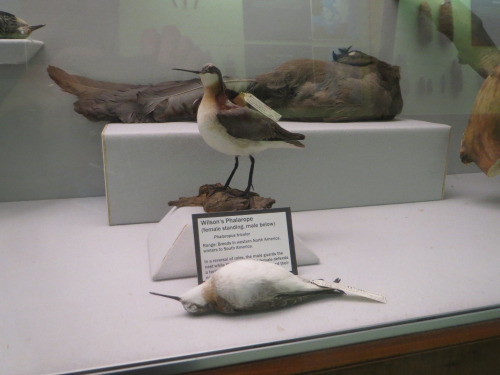
A study skin displayed below a taxidermy mount in Bird Hall.

by Patrick McShea

Museum visitors sometimes offer spontaneous testimony to the deceptive power of taxidermy.

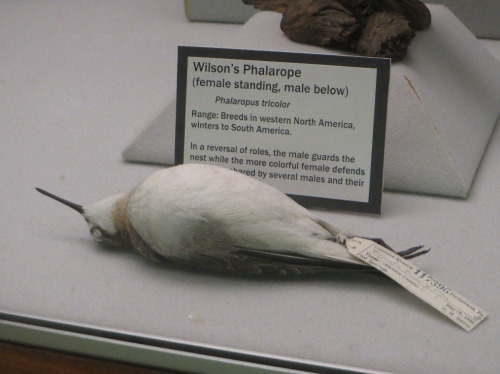
“There’s a dead bird!” is a comment frequently voiced by people encountering a bird specimen lying on its back in Bird Hall, such as the Wilson’s phalarope pictured below. These specimens, so often called “dead birds”, are actually called study skins.

study skin of a Wilson's Palarope bird

Study skins are a traditional form of specimen preparation for birds in scientific collections. Unlike taxidermy mounts, which attain a pretense of life through concealed body forms, strategically positioned wires,
and glass eyes of the appropriate size and color, the cotton-stuffed study skins appear lifeless.

The more than 154,000 bird study skins in the museum’s research collection have all undergone similar preparation. For each specimen the full skin of the bird was carefully removed from the underlying muscle,
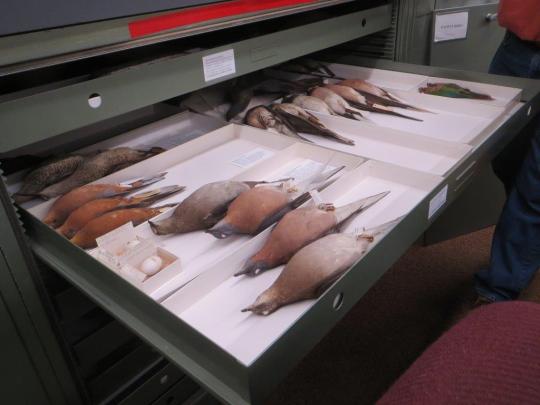
skeleton core, and internal organs, preserving every feather of the creature. Such Uniform preparation creates a standard for comparisons of features between both similar and strikingly different specimens. In addition, the low profile of study skins allows for their storage in shallow cabinet drawers in the manner of the passenger pigeon study skins pictured below.

bird study skins in a drawer

Although taxidermy mounts far outnumber study skins in Bird Hall display cases, the “skins” play an important role by representing the most numerous form of preserved specimens in the museum’s vast bird collection. Whether or not adjacent taxidermy mounts seem more alive because they share display space with the skins is something you may judge for yourself during your next museum visit.

Patrick McShea works in the Education and Visitor Experience department of Carnegie Museum of Natural History. Museum employees are encouraged to blog about their unique experiences of working at the museum.

Carnegie Museum of Natural History Blog Citation Information

Blog author: Patrick McShea
Publication date: June 22, 2016

Share this post!

  • Share on Twitter Share on Twitter
  • Share on Facebook Share on Facebook
  • Share on Pinterest Share on Pinterest
  • Share on LinkedIn Share on LinkedIn
  • Share on Reddit Share on Reddit
  • Share via Email Share via Email

Filed Under: Blog Tagged With: bird hall, Birds, museums, nature, Patrick McShea, Pittsburgh, research

June 21, 2016 by wpengine

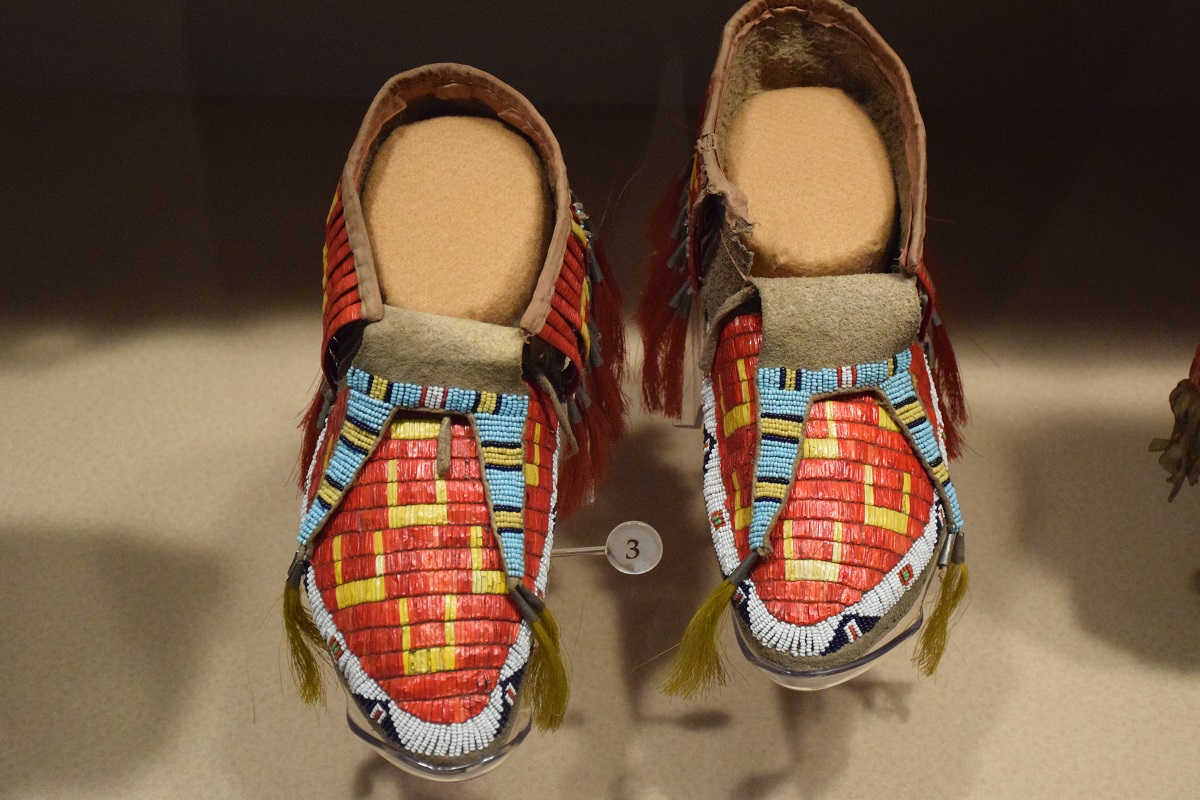
Lakota moccasins

Coloful Lakota moccasin shoes

These Lakota moccasins are more than 100 years old. It’s thought that the horseshoes beaded onto the moccasins reflect the wearer’s prowess in acquiring horses.

Filed Under: Blog Tagged With: Pittsburgh

  • « Go to Previous Page
  • Page 1
  • Interim pages omitted …
  • Page 12
  • Page 13
  • Page 14
  • Page 15
  • Page 16
  • Interim pages omitted …
  • Page 18
  • Go to Next Page »

sidebar

About

  • Mission & Commitments
  • Directors Team
  • Museum History

Get Involved

  • Volunteer
  • Membership
  • Carnegie Discoverers
  • Donate
  • Employment
  • Events

Bring a Group

  • Groups of 10 or More
  • Birthday Parties at the Museum
  • Field Trips

Powdermill

  • Powdermill Nature Reserve
  • Powdermill Field Trips
  • Powdermill Staff
  • Research at Powdermill

More Information

  • Image Permission Requests
  • Science Stories
  • Accessibility
  • Shopping Cart
  • Contact
  • Visitor Policies
Stay in the loop! Sign up for our newsletter(s).
One of the Four Carnegie Museums | © Carnegie Institute | Privacy Policy | Terms of Use | Accessibility
Rad works here logo