• Skip to primary navigation
  • Skip to main content
  • Skip to primary sidebar

Carnegie Museum of Natural History

One of the Four Carnegie Museums of Pittsburgh

  • Visit
    • Buy Tickets
    • Visitor Information
    • Exhibitions
    • Events
    • Dining at the Museum
    • Celebrate at the Museum
    • Powdermill Nature Reserve
    • Event Venue Rental
  • Learn
    • Field Trips
    • Educator Information
    • Programs at the Museum
    • Bring the Museum to You
    • Guided Programs FAQ
    • Programs Online
    • Climate and Rural Systems Partnership
  • Research
    • Scientific Sections
    • Science Stories
    • Science Videos
    • Senior Science & Research Staff
    • Museum Library
    • Science Seminars
    • Scientific Publications
    • Specimen and Artifact Identification
  • About
    • Mission & Commitments
    • Directors Team
    • Museum History
  • Tickets
  • Give
  • Shop

Blogs from Powdermill Nature Reserve

Powdermill Nature Reserve is Carnegie Museum of Natural History’s environmental research center. Located 55 miles southeast of Pittsburgh in Rector, Pennsylvania, Powdermill is a field station and laboratory where researchers do long-term studies of natural populations in western Pennsylvania. In addition to being positioned for Appalachian-specific studies in ornithology, ecology, invertebrate zoology, and botany, Powdermill is a great place to spend a fun-filled day outdoors with the family.

September 6, 2023 by Erin Southerland

Do No Harm: Dealing with Spotted Lanternflies

by Jonathan Rice

Spotted lanternflies are a “true bug,” cousins of the cicada and stink bug. Unlike our native bug species, these invasive bugs feed on a very wide variety of plants and don’t have enough native predators or parasites to keep their population in check. Their favorite food is tree-of-heaven (Ailanthus altissima), which is already widespread in our area. This means their population is exploding, and Pittsburghers are looking for ways to get rid of them. 
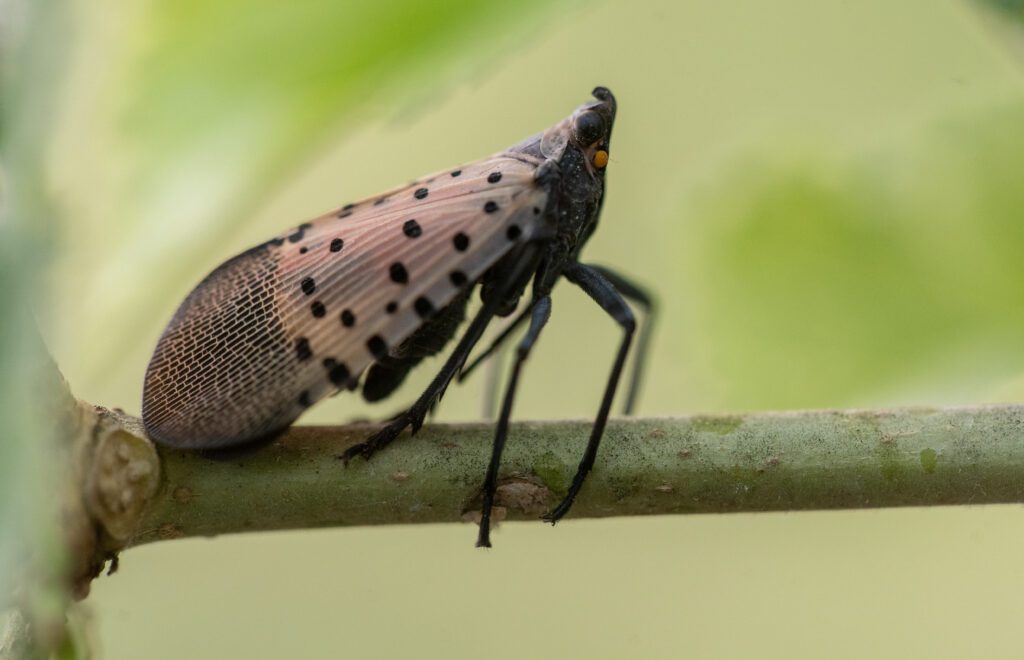
adult spotted lanternfly

There’s no special pesticide that targets the lanternflies. However, we can outsmart them. 

Spotted lanternflies display a unique behavior of climbing up tree trunks (or any other vertical surface), falling to the ground, and climbing up again. This is repeated many times throughout each stage of their life cycle.  By using this behavior to our advantage, we can trap spotted lanternflies. The best currently used traps include circle traps and oviposition traps, which corral the lanternflies so they can be contained and destroyed. You can make circle traps as a DIY project, or you can order them premade. 

Sticky traps: to stick or not to stick?

Although sticky traps (tape, sticky sheets, and glue traps) have been suggested in the past for spotted lanternfly control and are currently used by some landowners, these are extremely dangerous for birds. Sticky traps can kill many species of local birds that forage on tree trunks, including woodpeckers, nuthatches, and wrens. After the birds are stuck to the trap it becomes impossible for them to free themselves and they will die a slow and miserable death.
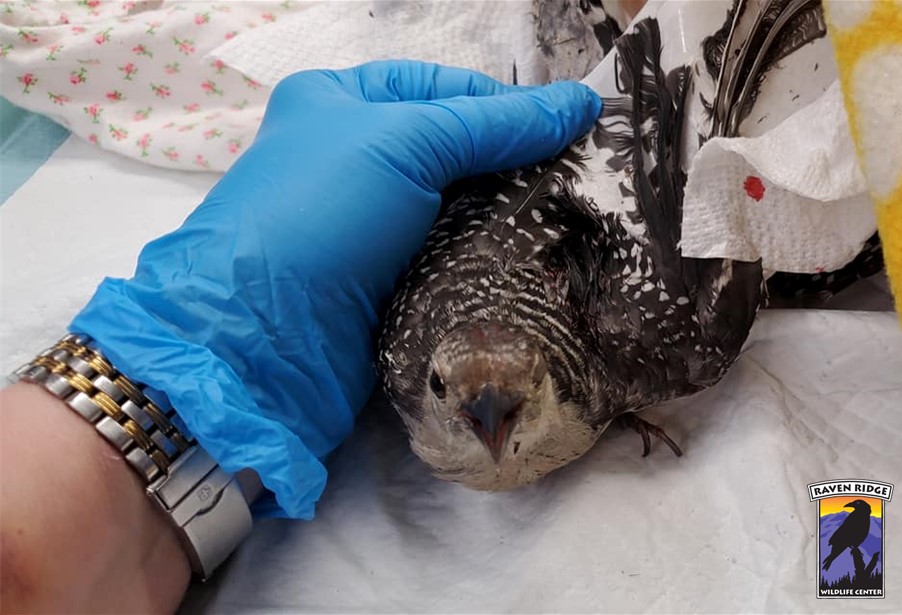
Woodpecker being treated for injuries from a sticky trap. Credit: Raven Ridge Wildlife Center.

If you find a live bird or mammal stuck to a lanternfly sticky trap, do not try to remove the bird yourself. Cover any remaining sticky areas on the trap with plastic wrap to reduce double sticking the bird (or yourself), remove the entire trap from the tree, and take it to the nearest wildlife rehabilitation center. If you must use a sticky trap, ensure it is covered with a wire mesh (hardware cloth or similar) to prevent anything larger than a lanternfly from touching it. Check sticky traps at least once a day to ensure no birds or mammals have been caught. 

Jonathan Rice is Urban Bird Conservation Coordinator at Powdermill Nature Reserve, Carnegie Museum of Natural History’s environmental research center.

Related Stories

Tracking Migratory Flight in the Northeast

A Summer Internship at Powdermill

Can’t Choose Just One: Asking an Entomologist to Name Their Favorite Native Species

Carnegie Museum of Natural History Blog Citation Information

Blog author: Rice, Jonathan
Publication date: September 6, 2023
Share this post!

  • Share on Twitter Share on Twitter
  • Share on Facebook Share on Facebook
  • Share on Pinterest Share on Pinterest
  • Share on LinkedIn Share on LinkedIn
  • Share on Reddit Share on Reddit
  • Share via Email Share via Email

Filed Under: Blog Tagged With: Anthropocene, Birds, Invertebrate Zoology, Jon Rice, liocf, Powdermill Nature Reserve, Science News

September 1, 2023 by Erin Southerland

A Summer Internship at Powdermill

by Rosie Spinola

Before my science-focused internship at Powdermill Nature Reserve, I was a virtual stranger to the forests of Appalachia. Although I’ve lived in western Pennsylvania my entire life, and frequently enjoyed exploring the woods in my hometown, often, I was simply not tuned in to the diversity and intricacies of the world all around me. My short tenure at Powdermill abruptly changed that perspective. During my internship I had the pleasure of participating in a wide variety of projects and studies, each one an eye-opening learning experience.

The internship began with a crash course in tree identification from my mentor and fieldwork partner, Andrea Kautz. Vegetation surveys were the bulk of the work performed this summer in terms of both the physical labor required and the amount of information we collected. Trees, saplings, shrubs, logs; notations about the location, size, and abundance of each instance contributed to a years-long study of the forest. 

One of the major changes that we have been able to track over the years is the cataclysmic effects of the invasive Emerald Ash Borer. The Emerald Ash Borer is an invasive beetle from northeast Asia that lays its eggs in the bark of ash trees. The eggs develop into larvae that eat the cambium of the ash, destroying the tree from the inside out. Where once swathes of Powdermill land were defined by their large white ash trees, you would be hard-pressed to find a single one in today’s forest. The dead ash trees leave a hole in the canopy in their wake and, to the endless consternation of those attempting to survey the area, invasive thorny species move in.

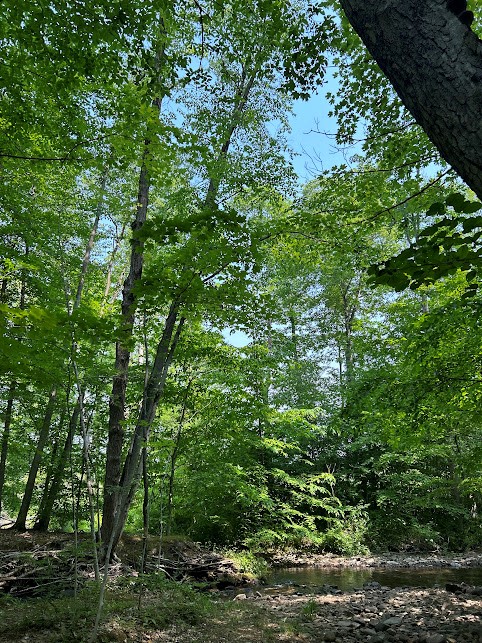
An example of an area surveyed this summer.

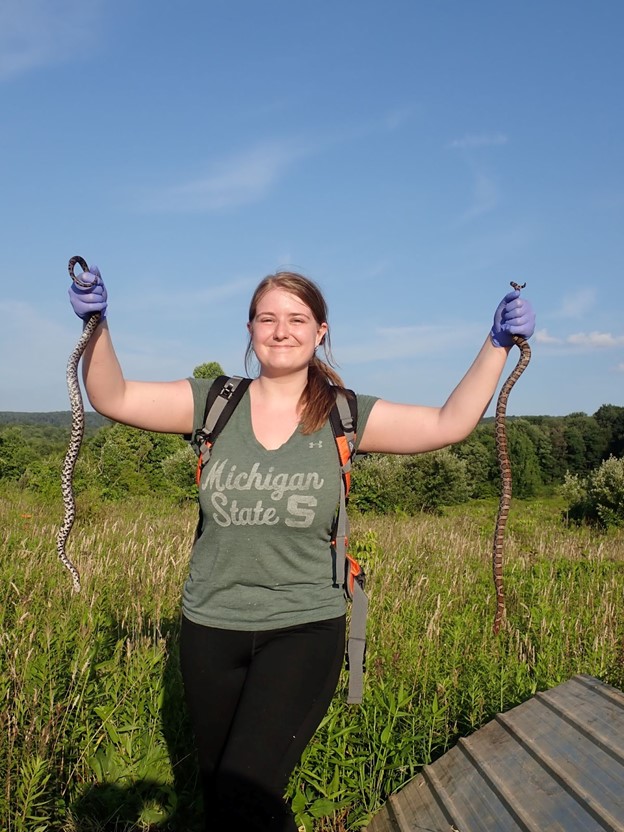
The greatest love of my life is animals, and I got to get very up-close and personal with them when Dr. Walter Meshaka visited to perform herpetology studies. One of the studies he conducted was on snake fungal disease in eastern milk snakes (Lampropeltis triangulum triangulum). Data collection in the field involved capturing individual milk snakes from beneath strategically placed metal coverboards where the reptiles had taken shelter, swabbing their skin to obtain the DNA of the skin microbiota, and then releasing them. Walter allowed me to contribute not only to the swabbing process, but to the risky business of capturing the snakes. I quickly discovered that milk snakes have a spectrum of personalities, from the patient, perfect subjects to the ornery and bitey. 

Two milk snakes next to the coverboard they were sheltering under.

While Walter was here, I was also offered the opportunity to aid him in studying another class of herps: salamanders. Strategically placed coverboards were again critical tools in the study, this time wooden, rather than metal, and placed near wetlands and streams instead of near open fields and meadows. The purpose of this study was to describe the species diversity and density of native salamander species. From our data in June and July, it appears the most abundant salamander near Powdermill’s streams is the charismatic Allegheny Mountain Dusky Salamander (Desmognathus ochrophaeus).

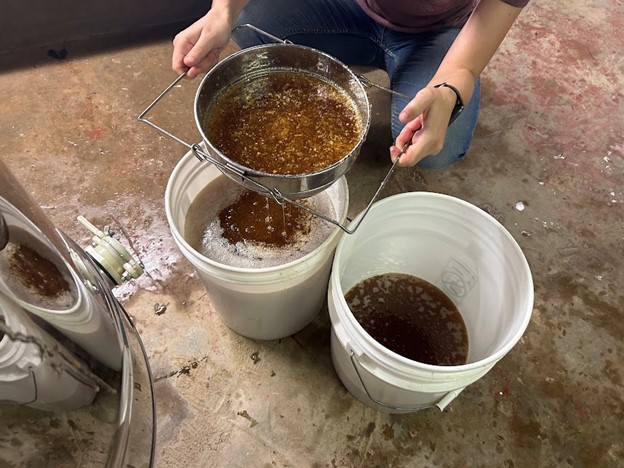
When working with Andrea, an entomologist, you can be sure that insects will be a large part of your life. We began the summer working with a personal favorite: honey bees! Powdermill maintains two hives on its property. The structures are kept healthy with supplemental food, an electrified exclosure fence (to keep out any sweet-toothed bears), and formic acid treatments to control Varroa mites. At the end of summer there was a sticky compensation for such support: We were able to collect more than eighty pounds of honey, though not without a valiant fight from the winged residents of the more territorial hive.

When collecting raw honey, the honey that drips out of the comb must be filtered through a sieve to collect bits of wax and insects.

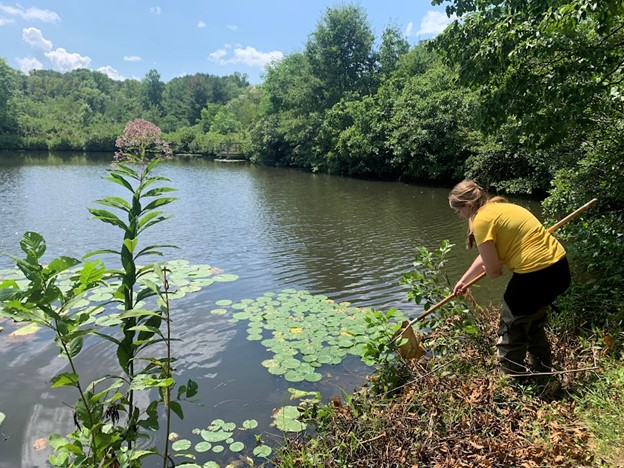
Andrea also participated in a robust, nationwide study on flying insects earlier this spring. A Malaise trap (what is essentially a vertical corral for flying insects) was set up in Crisp Field, a large meadow on Powdermill property, and throughout the summer my responsibilities included sorting everything collected in this trap. This exercise was a three-month affair. I conducted an up-close and personal survey of the sheer amount of diversity found in each order of insects, an experience mirrored by the periodic aquatic macroinvertebrate surveys we performed together along streams and ponds across the property. 

We sampled macroinvertebrates from multiple locations, pictured is a large pond near the Powdermill Avian Research Center.

From insects to reptiles to trees, each project I embarked on got me closer to truly understanding the world around us. In many ways, this meant seeing the consequences of climate change and human influence. Situations reveal themselves to be more dire than one could ever hope to understand by just reading about it. But there is hope, because understanding the world around us also means you can see just how much life worth protecting there is, if you just know how to look.

Rosie Spinola is an intern at Powdermill Nature Reserve, Carnegie Museum of Natural History’s environmental research center.

Related Content

An Intern’s Experience Studying the Ecosystem at Powdermill

Encounter with an Orb Weaver Spider: Is It Predator or Prey?

Tracking Migratory Flight in the Northeast

2023 Point Counts at Powdermill Avian Research Center

Carnegie Museum of Natural History Blog Citation Information

Blog author: Spinola, Rosie
Publication date: September 1, 2023

Share this post!

  • Share on Twitter Share on Twitter
  • Share on Facebook Share on Facebook
  • Share on Pinterest Share on Pinterest
  • Share on LinkedIn Share on LinkedIn
  • Share on Reddit Share on Reddit
  • Share via Email Share via Email

Filed Under: Blog Tagged With: Powdermill, Powdermill Nature Reserve

August 9, 2023 by Erin Southerland

Hummingbird Lessons

by Patrick McShea
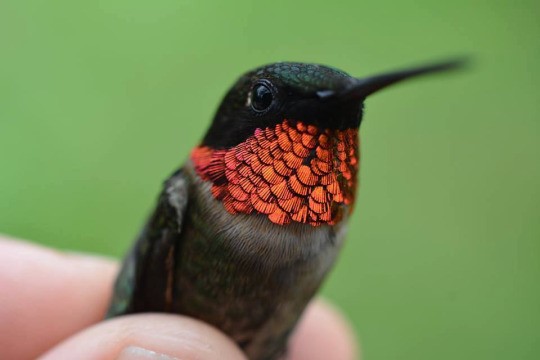
A male Ruby-throated Hummingbird is handled gently during the banding process.

Banding hummingbirds is a routine procedure at Powdermill Avian Research Center (PARC). Ruby-throated Hummingbirds are common summer residents throughout western Pennsylvania, including the Ligonier Valley where PARC facilities occupy nearly 25 acres of diverse habitat within Powdermill Nature Reserve, the 2,200-acre field research station of Carnegie Museum of Natural History.

During the spring and fall migration seasons, Ruby-throated Hummingbirds are almost always on the top 10 list for highest numbers captured and banded. During the breeding season, they are proportionally represented among the various birds captured. PARC’s ornithologists open fine mesh nets before dawn and check them at regular intervals for several hours afterwards, carefully extracting the birds and bringing them to the lab for data collection, then safely releasing them to the wild without harm. 

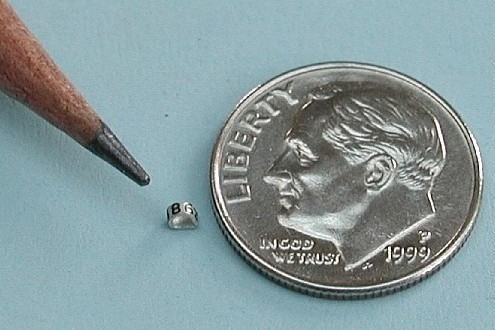
Hummingbird bands are so small that the customary nine-digit band number is reduced to five digits with a letter prefix.

On a Friday morning in late May, the capture, examination, banding, and safe release of one of these tiny, iridescent, long-billed birds was remarkable because of the extra observers involved. Two dozen seventh grade students from West Hempfield Middle School, part of a larger, two-bus contingent participating in a day-long science-focused fieldtrip, were eyewitnesses to the multi-step process. 

The wildlife encounter made such a strong collective impression on these students that two hours later, following a working demonstration of the flight tunnel used to evaluate bird-safe window glass, and lunchbreak on the Reserve’s Nature Center grounds, the background chatter of multiple conversations markedly diminished when I mentioned hummingbirds.

“We’ll start our hike shortly,” I announced to the group as they assembled in a forest clearing for the day’s concluding session. “But before we look at some plants along the trail and micro-habitats along the stream, we’re going talk more about hummingbirds.” 

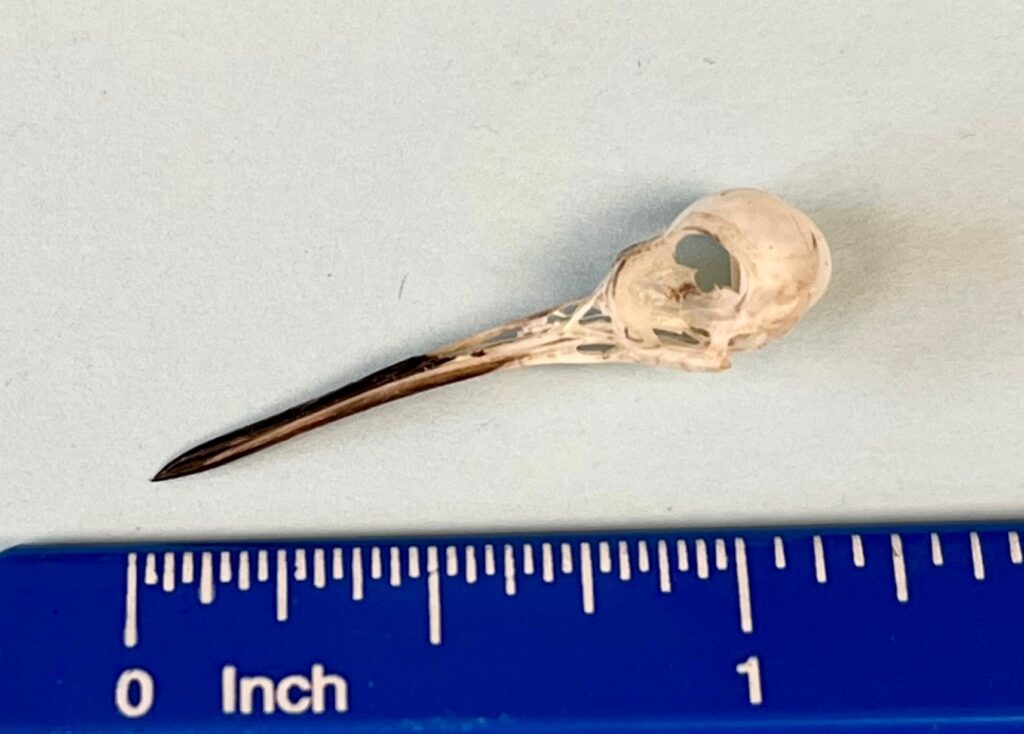
A Ruby-throated Hummingbird skull.

As a museum educator I frequently plan group opportunities for the close examination of authentic objects. In the case of the two-inch-long glass tube I then held aloft, an explanation of ground rules for the upcoming examination experience was required. The tube contained the skull of a Ruby-throated Hummingbird, and as I carefully removed the specimen and placed it in the palm of my right hand, I promised the students the same opportunity. “The skull can be safely exchanged by two transfer methods – gently dumping it from your open palm to your neighbor’s, or by picking it up by the beak and carefully placing it in the next person’s palm.” 

Our collective sharing was also presented as a group challenge. I concluded the handling instructions with an explanation about how this activity is normally reserved for teachers, rather than students, and the disclosure that with less than a week left in the school year, I considered them as reputably more responsible eighth graders rather than the seventh-grade class listed on the fieldtrip schedule. 

After placing the tiny skull in the palm of the student standing closest to me, I outlined for her and the waiting classmates a roughly 10-12 second procedure for an imaginative visual examination of the specimen. “Think about the bird you saw banded this morning. Consider the layers missing from the skull – the feathers, skin, muscles, and other tissues. Note especially, within the bone framework of the skull, the places where the eyes once were, space devoted to this creature’s sense of vision. And finally, before passing the skull to your neighbor, make a mental estimate of the space between the eyes, the nearly translucent bone case that contained the bird’s brain.”

Hand-to-hand circulation of the skull through the student group took a full seven minutes, time I spent relating information about Ruby-throated Hummingbirds from the Cornell Lab of Ornithology’s All About Birds website. Important points included how the species’ diet includes far more than nectar, with mosquitoes, gnats, fruit flies, small bees, and spiders being well documented prey items, and how six to ten days of construction work by the female bird results in an inch-deep, two-inch diameter, branch-top nest lined with plant down, held together with spider silk, and for concealment purposes, shingled with lichen chips. Migration was also addressed, with the statement that the hummingbird banded during the morning session might have just returned to western Pennsylvania after a winter spend as far south as Costa Rica. 

“My estimate, when I look at the hummingbird skull,” I volunteered, “is that the bird’s brain is the size of a couple grains of rice. What I find amazing is how that tiny brain can steer the bird over or around an enormous obstacle between where we’re standing now and the forests of Costa Rica – the Gulf of Mexico.”

When the hummingbird skull, no worse for a carefully conducted activity’s wear, was safely stowed in my shirt pocket, the trail hike to the edge of Powdermill Run proceeded.  A stand of trout lily, the mud chimney of a crayfish burrow, and the distinctive tree cavity chiseled by a Pileated Woodpecker were scenery highlights, but it was a discussion of Powdermill Run’s waters that reinforced the day’s hummingbird theme.

After a streamside question and answer session raised the level of understanding of aquatic food webs, and explanations were shared about how diverse invertebrate lifeforms are indicators of clean water, I brought up the question about where the flow in front of us was heading. Through question and response, one waterway supplying another, we assembled a continent-wide watershed, from Powdermill Run to the Gulf of Mexico, as one student called from the back of the group, “The territory crossed by a migrating hummingbird.”

Patrick McShea is an Educator at Carnegie Museum of Natural History.

Related Content

Tracking Migratory Flight in the Northeast

Ruffed Grouse or Scarlet Tanager: Debating the Pennsylvania State Bird

Building Birding Skills

Carnegie Museum of Natural History Blog Citation Information

Blog author: McShea, Patrick
Publication date: August 9, 2023

Share this post!

  • Share on Twitter Share on Twitter
  • Share on Facebook Share on Facebook
  • Share on Pinterest Share on Pinterest
  • Share on LinkedIn Share on LinkedIn
  • Share on Reddit Share on Reddit
  • Share via Email Share via Email

Filed Under: Blog Tagged With: Birds, liocf, Pat McShea, Powdermill Nature Reserve, Science News

July 17, 2023 by Erin Southerland

Tracking Migratory Flight in the Northeast

by Patrick McShea
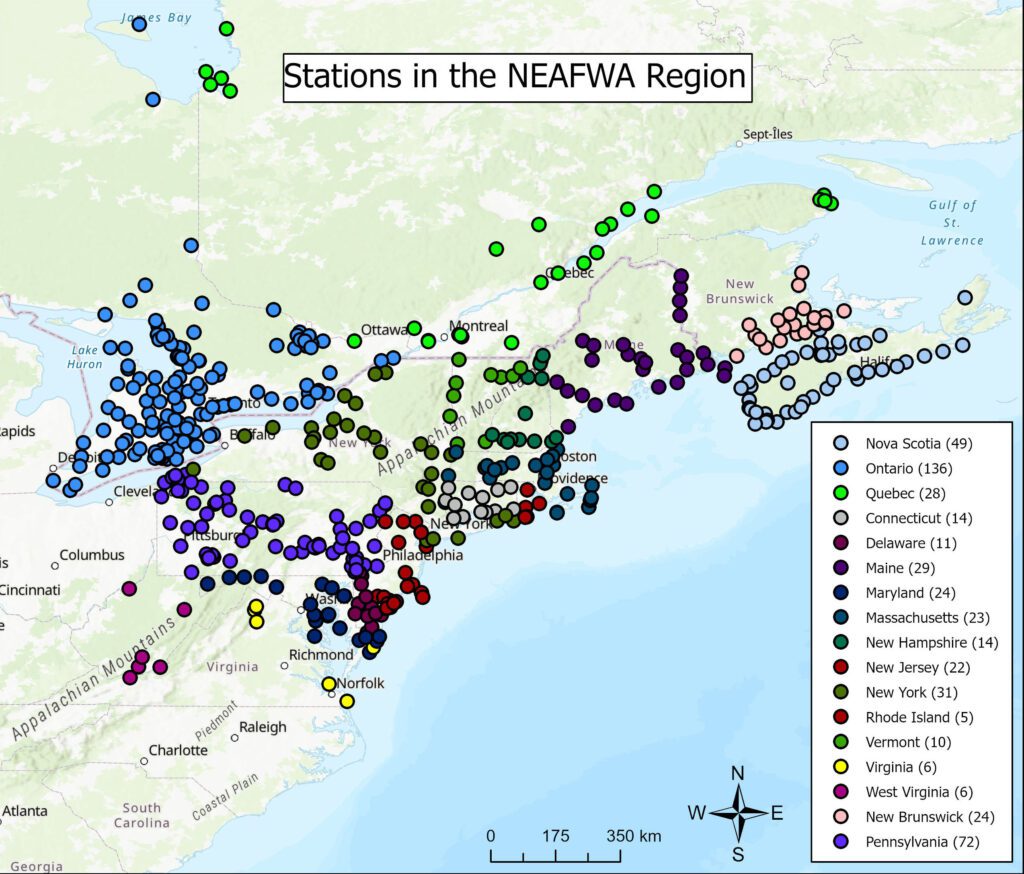
Map of northeastern US and southeastern Canada with dots representing Motus stations in the Northeast Association of Fish and Wildlife Agencies region

Explanations of networks benefit from maps or other graphic representations of linked participants. In the case of a recent bulletin describing regional growth within the international research network known as the Motus Wildlife Tracking System, the inclusion of a map helps ground updated information about the program to the landscape.

The collaborative effort, known informally as simply Motus, a Latin word for movement, was founded by the bird conservation organization, Birds Canada in 2014, and has grown to involve hundreds of partners among scientific and educational institutions, government agencies, and independent researchers.

The ground-breaking work of Motus involves the use of automated radio telemetry to track the migratory movements of free-flying birds, bats, and insects. After an animal under study is safely captured, fitted with a highly miniaturized transmitter, known as a nanotag, and released, the creature’s flight movements are electronically detected and recorded whenever it passes within nine miles of strategically placed antennas mounted on low, just-above-tree-canopy-height receiving stations.

Carnegie Museum of Natural History is a Motus partner through the work of staff at its Powdermill Avian Research Center who have installed 136 receiving stations from western Maryland through Maine and continue to monitor 50 receiving stations from southwestern Pennsylvania up through western New York along the Adirondack Mountains. 

Although Motus stations are in place across the Western Hemisphere landmass from Nunavut, Canada, to southern Chile, the world’s densest concentration of them is found in the thirteen U.S. states and five Canadian provinces that make up the network’s Northeast Collaboration. The 504 tower sites in this territory represent one third of the global total, and since 2017 have logged more than 170 million nanotag detections. This tracking has involved more than 4,700 tagged individuals of 147 species of birds contributing vital information to 194 different research projects.

Ongoing maintenance and technological upgrades will be necessary for the Northeast Motus Network to continue generating research findings that inform conservation initiatives. As Jon Rice, the Museum’s Urban Bird Conservation Coordinator explains, “As this network reports findings for museum research into both the survivorship of window collisions and stopover behavior for species of greatest conservation need, it simultaneously supports ongoing research for countless other projects in the western hemisphere. The real power of this technology isn’t captured by the map. It’s our ability to help our neighbors using the same resources we are using to perform our own novel research.”

Patrick McShea is an Educator at Carnegie Museum of Natural History.

Related Content

A Taste for Metal

Milestones at Powdermill’s Banding Lab

Ruffed Grouse or Scarlet Tanager: Debating the Pennsylvania State Bird

Carnegie Museum of Natural History Blog Citation Information

Blog author: McShea, Patrick
Publication date: July 17, 2023

Share this post!

  • Share on Twitter Share on Twitter
  • Share on Facebook Share on Facebook
  • Share on Pinterest Share on Pinterest
  • Share on LinkedIn Share on LinkedIn
  • Share on Reddit Share on Reddit
  • Share via Email Share via Email

Filed Under: Blog Tagged With: Birds, Jon Rice, parc, Pat McShea, Powdermill Nature Reserve, Science News

December 7, 2022 by Kathleen

A New Building at Powdermill

by Luke DeGroote

On a crisp fall morning, 30 minutes before the sun rises, the bird banding crew at Powdermill Avian Research Center (PARC) are hard at work setting up the mist nets for a typical day. As the dewdrops fall from the nets and the birds call, everything seems as normal as it has since 1961, but something is different. For the first time, the birds will be processed in a new location. PARC has finally established a new home.

On September 30, 2022, we celebrated the Grand Opening of the Richard P. Mellon Avian Research Center. This new facility is a great leap ahead for PARC that will allow us to continue conducting our avian research as we have since 1961, while also providing new opportunities for outreach, additional research projects, and more efficient data collection. A 60-second video tour provides visual orientation to the facility.

View this post on Instagram

A post shared by Powdermill Nature Reserve (@powdermillnaturereserve1956)

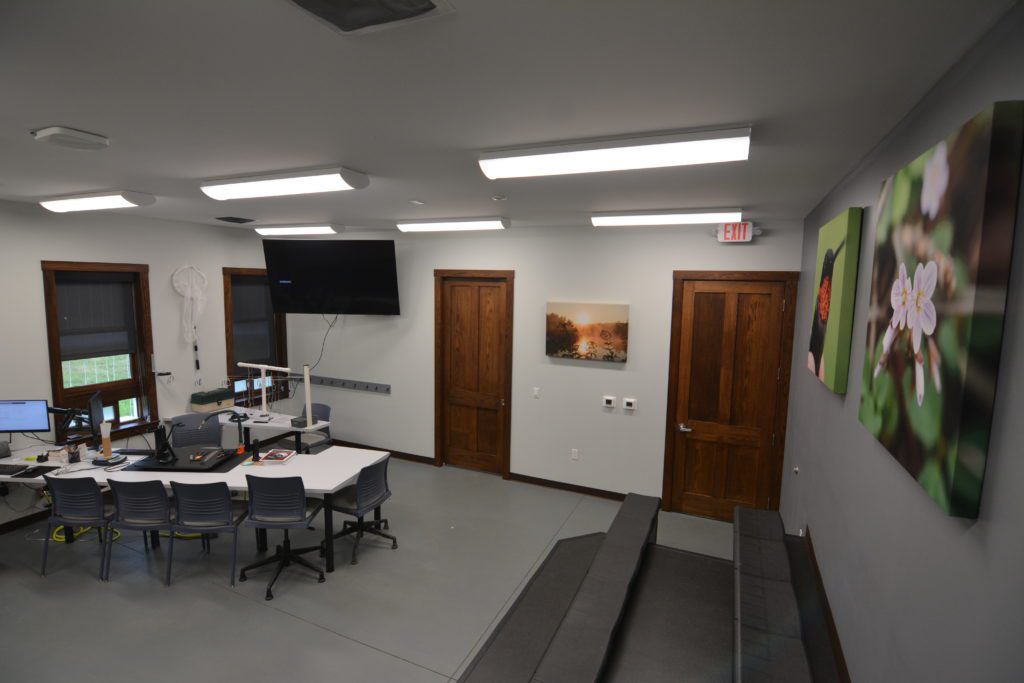
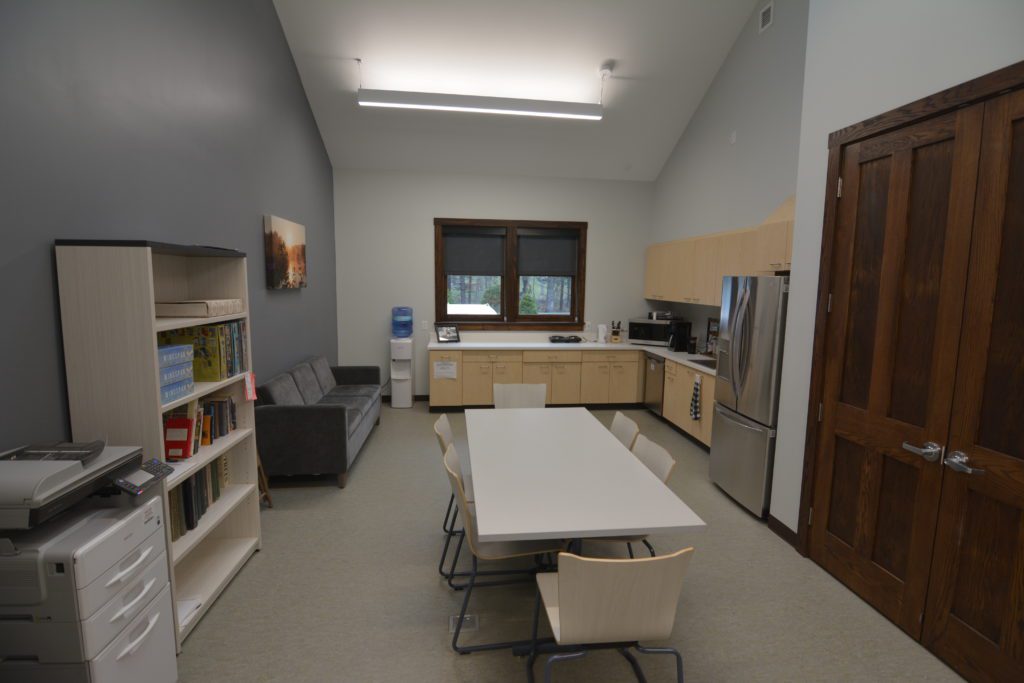
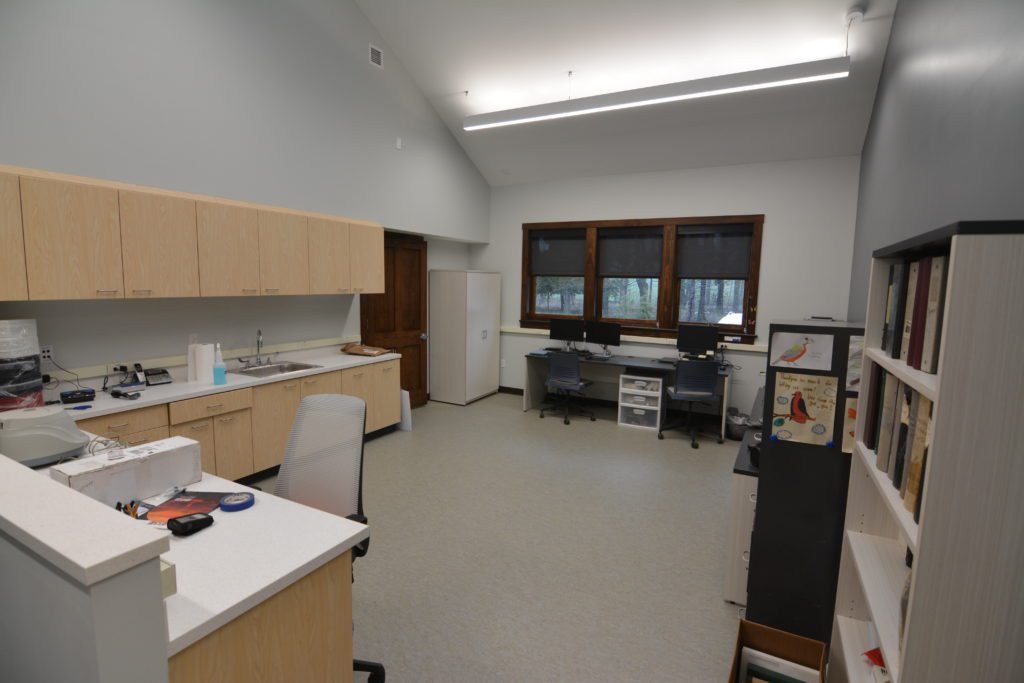
So, what’s inside? The new building consists of a bird holding room, research lab, seminar space, kitchen/lounge, offices, a multi-use lab space, and an observation deck.

Bird Holding Room: This space is used by the bird banding techs. It allows easy access to the bird bags, radios, and carabiners, and has spaces for the birds to await their turn to be processed in the lab. The addition of this room frees up lab space and prevents the processor, recorder, and bird banders from being interrupted while collecting data.

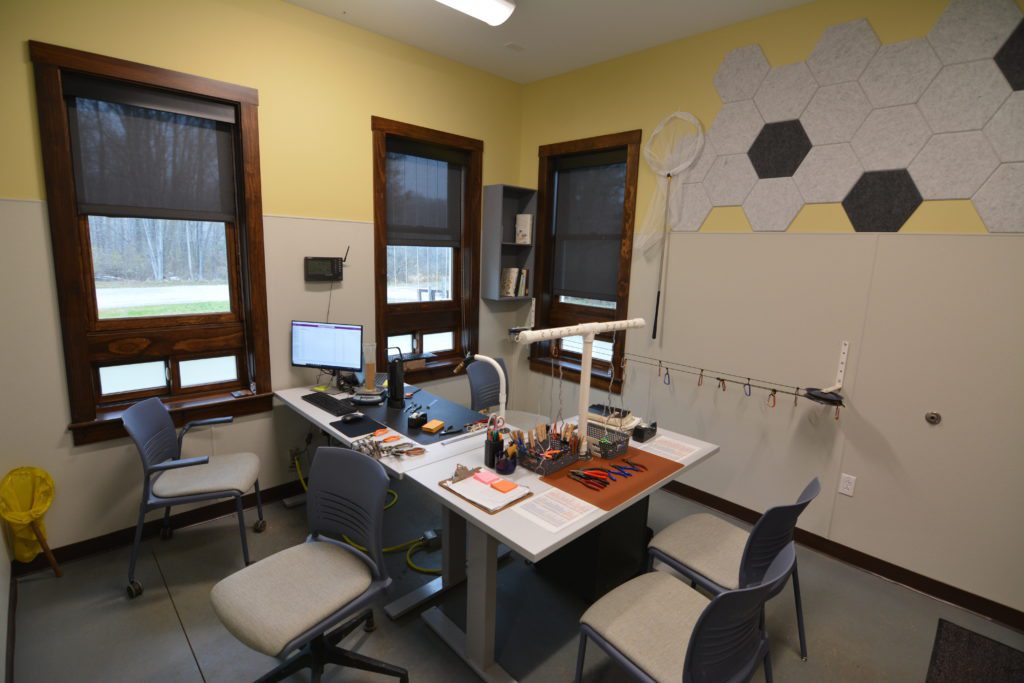
room with an l-shaped desk with bird banding equipment on it

Research Lab: This room mirrors the original setup in the old building. Birds are banded and processed here on a day-to-day basis. PARC’s bird banders have captured and processed over 800,000 birds with many more to come in the lab’s future.

Seminar Space: This classroom space will now allow large groups to visit us for field trips, open houses, and guided tours. This space has a similar setup to the research lab with the addition of lecture-style seating and a video screen that allow groups to see bird banding up close and learn about PARC’s many avian research projects.

Kitchen/Lounge: This is a much-needed space where we can fuel up on coffee for our early mornings or late nights, or where workshop participants can take a snack break. It’s also a fantastic place to play our favorite board game (Wingspan, of course).

Lab: This multi-use space has proved to be a great addition for PARC staff and collaborators. There are desks and computers for the Avian Outreach Tech, Flight Tunnel Tech, and visiting researchers. The space is also utilized for data proofing and ongoing research projects.

Although the move from the original building was bittersweet, we are so thrilled to continue conducting avian research from this new space. Thank you so much to everyone who helped this new building come to life. The opportunities with this new building are endless.

Luke DeGroote is Avian Research Coordinator at Powdermill Nature Reserve, the museum’s environmental research center.

Related Content

An Intern’s Experience Studying the Ecosystem at Powdermill

Chimney Swift Conservation

Encounter With an Orb Weaver Spider: Is It Predator or Prey?

Carnegie Museum of Natural History Blog Citation Information

Blog author: DeGroote, Luke
Publication date: December 1, 2022

Share this post!

  • Share on Twitter Share on Twitter
  • Share on Facebook Share on Facebook
  • Share on Pinterest Share on Pinterest
  • Share on LinkedIn Share on LinkedIn
  • Share on Reddit Share on Reddit
  • Share via Email Share via Email

Filed Under: Blog Tagged With: Luke DeGroote, Powdermill Nature Reserve, Science News

October 20, 2022 by Erin Southerland

An Intern’s Experience Studying the Ecosystem at Powdermill

by Rachel Lloyd

This summer I was an intern at Powdermill Nature Reserve, Carnegie Museum of Natural History’s environmental field research station. During my time at Powdermill, I participated in a variety of projects: sampling streams for macroinvertebrates, surveying trees, installing and checking insect pitfall traps, monitoring wildlife cameras, and more. 

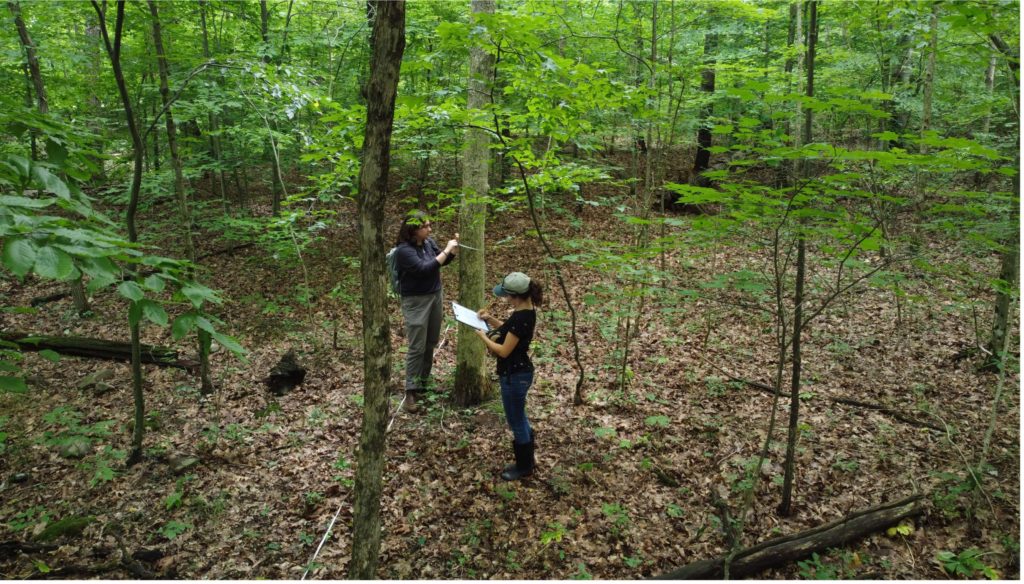
Surveying trees in the mined area. One person measures diameter at breast height (DBH) while another person records.

Most of the projects were designed to gain greater understanding of the forest ecosystem at Powdermill, specifically the area of the reserve that is home to abandoned surface coal mines. Mines that were active before the passage of the Surface Mining Control and Reclamation Act in 1977 were often completely unregulated and extremely harmful to the environment because of associated habitat destruction, and air, noise, and water pollution. The long-lasting damage to ecosystems by abandoned surface coal mines includes polluted waterways and unstable land surface gradients in the form of cliff-like highwalls created to expose coal seams.

A remediation project has been proposed at Powdermill to help restore the impacted land to what it was like before mining. Filling in the high walls to restore original surface contours, and remediating acid mine drainage in streams are two major components of any surface mine remediation project. 

Before any restoration work begins, it is important to have a baseline understanding of the ecosystem, so that there are parameters to measure change against after the completion of the project. Tree surveying, macroinvertebrate sampling, and wildlife camera monitoring all contributed to the establishment of baseline data. 

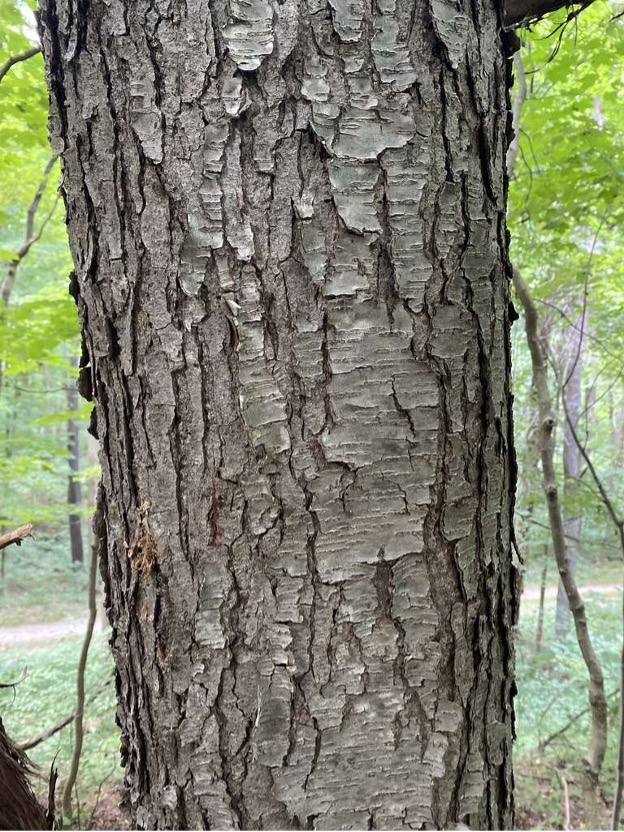
Black cherry (Prunus serotina) bark.

Forestry surveying served to document both the density and diversity of the plant species living in the study area, from overstory trees to understory shrubs. The most dominant species of overstory trees in the surveyed tract were sugar maples (Acer saccharum). In 2008, during a previous vegetation survey of the same tract, black cherry (Prunus serotina) was found to be the most abundant species. This notable change over time was expected. Black cherry trees are a pioneer species and are among the first trees to grow in a barren environment. Black cherry trees are also relatively quick to die off, and thereby create room and resources for other species. The change in the most abundant species from black cherries to sugar maples shows that the forest of the study area is changing and aging from an early to late successional forest.

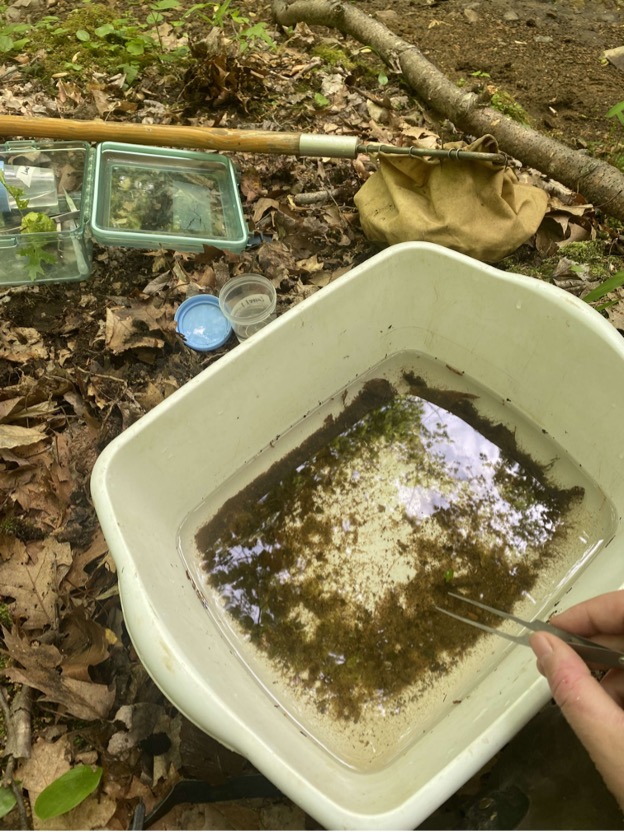
Collecting aquatic macroinvertebrates from a netted sample taken from a stream flowing through the mined area.

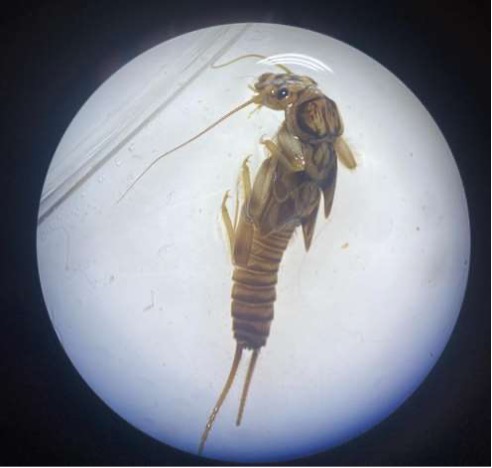
Sampling aquatic macroinvertebrates living in streams can be a great indication of the health and quality of the stream, and that of the watershed drained by the stream. In establishing baseline measurements, stream samples were taken at various locations at Powdermill near the mining sites. After collection, the samples were sorted and identified, and a water quality score was assigned to each location. Stonefly nymphs (Plecoptera) were the most dominant organisms across the whole survey. Other organisms collected included caddisfly larvae (Trichoptera), cranefly larvae (Tipulidae), fishfly larvae (Corydalidae: Chauliodinae), blackfly larvae (Simuliidae), crayfish (Decapoda), and midge larvae (Chironomidae). One important observation was the absence of mayfly nymphs (Ephemeroptera) from most of the samples. Mayflies, along with stoneflies and caddisflies, are typically found in healthy streams in Pennsylvania. The absence of any of them strongly suggests harmful anthropogenic impact, in this case acid mine run-off.

A stonefly nymph.

Camera traps were also put in place to monitor the larger wildlife activity in the area. Black bears, white-tailed deer, coyotes, and bobcats are some of the larger mammals known to use the land at Powdermill. The cameras will be kept up until the restoration project begins. After restoration, the wildlife images these cameras collect will monitor how the animals respond to the changed landscape. 

Together, the forestry surveys, stream sampling, and wildlife cameras all contribute to a comprehensive understanding of how these areas of the reserve are currently functioning as an ecosystem. The standardized procedures of each procedure will allow us to assess how the reserve changes after future restoration efforts.

For more detailed information on this project, you can check out this story map that I created as part of my internship.

Rachel Lloyd is a senior at Chatham University majoring in Environmental Science, and completed a research internship at Powdermill Nature Reserve during the summer of 2022.

Related Content

What is a Pitfall Trap?

“Moldly” Exploring Fungal Functions

An Intern’s Point of View

Carnegie Museum of Natural History Blog Citation Information

Blog author: Lloyd, Rachel
Publication date: October 20, 2022

Share this post!

  • Share on Twitter Share on Twitter
  • Share on Facebook Share on Facebook
  • Share on Pinterest Share on Pinterest
  • Share on LinkedIn Share on LinkedIn
  • Share on Reddit Share on Reddit
  • Share via Email Share via Email

Filed Under: Blog Tagged With: Botany, Powdermill Nature Reserve, Rachel Lloyd, Science News

  • « Go to Previous Page
  • Page 1
  • Page 2
  • Page 3
  • Page 4
  • Page 5
  • Interim pages omitted …
  • Page 17
  • Go to Next Page »

sidebar

About

  • Mission & Commitments
  • Directors Team
  • Museum History

Get Involved

  • Volunteer
  • Membership
  • Carnegie Discoverers
  • Donate
  • Employment
  • Events

Bring a Group

  • Groups of 10 or More
  • Birthday Parties at the Museum
  • Field Trips

Powdermill

  • Powdermill Nature Reserve
  • Powdermill Field Trips
  • Powdermill Staff
  • Research at Powdermill

More Information

  • Image Permission Requests
  • Science Stories
  • Accessibility
  • Shopping Cart
  • Contact
  • Visitor Policies
One of the Four Carnegie Museums | © Carnegie Institute | Privacy Policy | Terms of Use | Accessibility
Rad works here logo