• Skip to primary navigation
  • Skip to main content
  • Skip to primary sidebar

Carnegie Museum of Natural History

One of the Four Carnegie Museums of Pittsburgh

  • Visit
    • Buy Tickets
    • Visitor Information
    • Exhibitions
    • Events
    • Dining at the Museum
    • Celebrate at the Museum
    • Powdermill Nature Reserve
    • Event Venue Rental
    • Gift Cards
  • Learn
    • Field Trips
    • Educator Information
    • Programs at the Museum
    • Bring the Museum to You
    • Guided Programs FAQ
    • Programs Online
    • Climate and Rural Systems Partnership
  • Research
    • Scientific Sections
    • Science Stories
    • Science Videos
    • Senior Science & Research Staff
    • Museum Library
    • Science Seminars
    • Scientific Publications
    • Specimen and Artifact Identification
  • About
    • Mission & Commitments
    • Directors Team
    • Museum History
  • Tickets
  • Give
  • Shop

Birds

February 5, 2018 by wpengine

In its early years, Carnegie Museum often purchased…

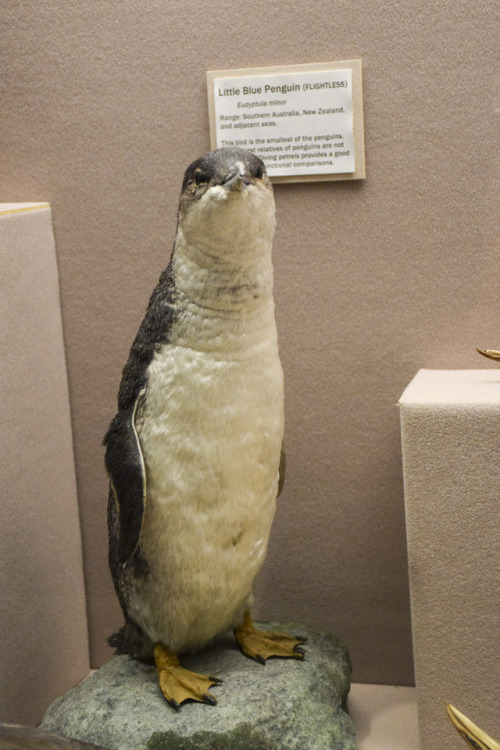
Little Blue Penguine Taxidermy

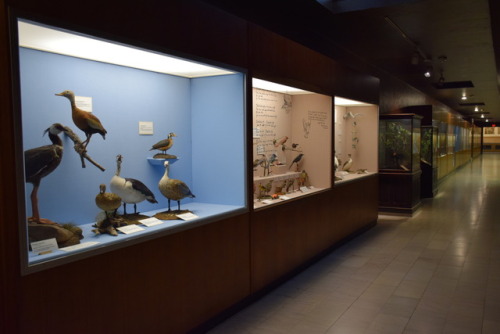
In its early years, Carnegie Museum often purchased birds from different areas of the world. One excellent collection came from Sir Walter Buller who built a collection from New Zealand for his groundbreaking books on birds of that country. We have more bird specimens from that country (645) than any other museum in the United States like this mounted little blue penguin on display in Bird Hall.
Filed Under: Blog Tagged With: bird hall, Birds

January 24, 2018 by wpengine

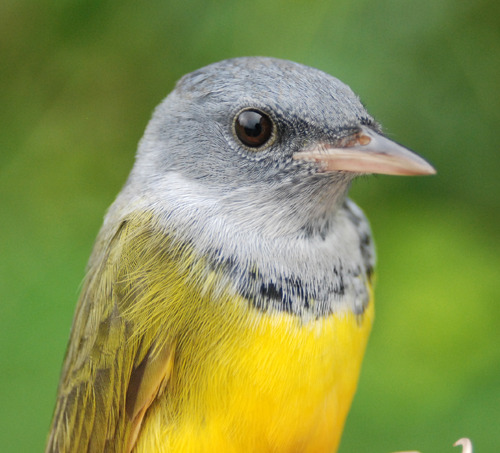
After-hatching-year Mourning Warbler

warbler bird wtih a grey head and bright yellow breast

Both of these male and female bird types pretend to have broken wings to distract predators close to their nest.


Powdermill Nature Reserve’s avian research center is part of Carnegie Museum of Natural History’s biological research station in Rector, Pennsylvania.  The research center operates a bird banding station, conducts bioacoustical research, and performs flight tunnel analysis with the goal of reducing window collisions.


Filed Under: Blog Tagged With: bird, Powdermill Nature Reserve

November 3, 2017 by wpengine

Section of Birds

Our Section of Birds holds approximately the eighth largest collection of birds in North America.

Filed Under: Blog Tagged With: Section of Birds

November 3, 2017 by wpengine

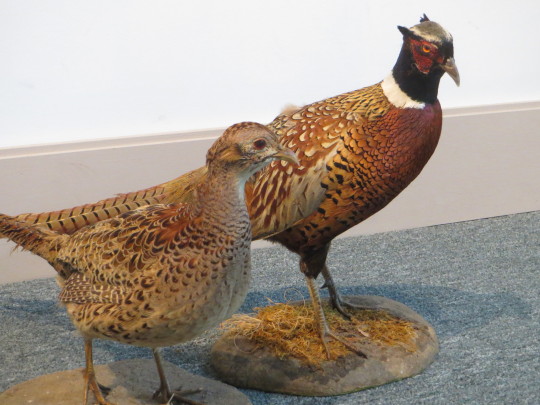
Remember pheasants?

Pheasant taxidermy

by Patrick McShea

Remember pheasants? Who could forget a long-tailed, chicken-sized bird with a green head and bright copper body? It wasn’t even necessary to see the birds to know they were around. Every spring the two-syllable rooster-like crows of male ring-necks marked the passage of days in overgrown fields at the edge of many Pittsburgh neighborhoods, and those repeated territorial claims carried for hundreds of yards.

Pheasants, which are not native to North America, were introduced to the U.S. from Asia during the 1880s. In Pennsylvania, pheasant populations peaked in the early 1970s. Wildlife biologists explain the bird’s decline since then as connected to habitat loss:

“In some places fields and brushy hollows gradually became forests, while in others suitable habitat was rapidly lost to housing, retail, and industrial development. On many farms, where the conditions to appear ideal for the birds, changes in hay-mowing schedules and repeated use of herbicides and pesticides make for poor pheasant habitat.”

Hear audio of pheasants crowing.


Patrick McShea works in the Education and Visitor Experience department of Carnegie Museum of Natural History. Museum employees are encouraged to blog about their unique experiences of working at the museum.

Filed Under: Blog

October 30, 2017 by wpengine

Section of Birds

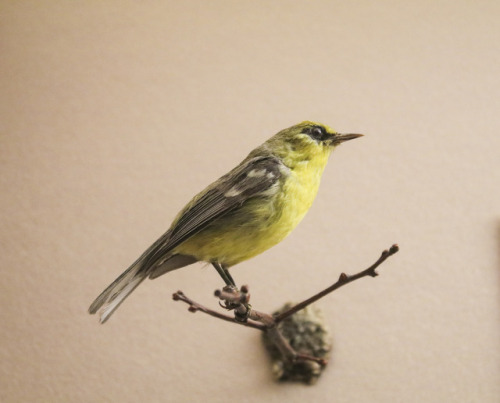
yellow bird found in Bird Hall

We have representatives of roughly 6,200 species of birds in our museum’s Section of Birds. Counting subspecies, we have over 13,000 different bird subspecies.

Filed Under: Blog Tagged With: Section of Birds

October 20, 2017 by wpengine

Peafowl Feathers

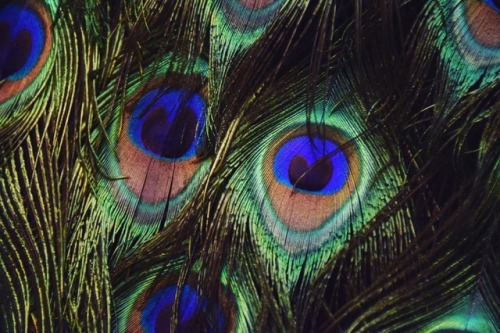
 This is a close up view of peafowl feathers. Although most people refer to this bird as a peacock, technically only males are called peacocks whereas females are called peahens.

This is a close up view of peafowl feathers. Although most people refer to this bird as a peacock, technically only males are called peacocks whereas females are called peahens.

Filed Under: Blog Tagged With: Birds

  • « Go to Previous Page
  • Page 1
  • Interim pages omitted …
  • Page 4
  • Page 5
  • Page 6
  • Page 7
  • Page 8
  • Interim pages omitted …
  • Page 10
  • Go to Next Page »

sidebar

About

  • Mission & Commitments
  • Directors Team
  • Museum History

Get Involved

  • Volunteer
  • Membership
  • Carnegie Discoverers
  • Donate
  • Employment
  • Events

Bring a Group

  • Groups of 10 or More
  • Birthday Parties at the Museum
  • Field Trips

Powdermill

  • Powdermill Nature Reserve
  • Powdermill Field Trips
  • Powdermill Staff
  • Research at Powdermill

More Information

  • Image Permission Requests
  • Science Stories
  • Accessibility
  • Shopping Cart
  • Contact
  • Visitor Policies
One of the Four Carnegie Museums | © Carnegie Institute | Privacy Policy | Terms of Use | Accessibility
Rad works here logo