• Skip to primary navigation
  • Skip to main content
  • Skip to primary sidebar

Carnegie Museum of Natural History

One of the Four Carnegie Museums of Pittsburgh

  • Visit
    • Buy Tickets
    • Visitor Information
    • Exhibitions
    • Events
    • Dining at the Museum
    • Celebrate at the Museum
    • Powdermill Nature Reserve
    • Event Venue Rental
  • Learn
    • Field Trips
    • Educator Information
    • Programs at the Museum
    • Bring the Museum to You
    • Guided Programs FAQ
    • Programs Online
    • Climate and Rural Systems Partnership
  • Research
    • Scientific Sections
    • Science Stories
    • Science Videos
    • Senior Science & Research Staff
    • Museum Library
    • Science Seminars
    • Scientific Publications
    • Specimen and Artifact Identification
  • About
    • Mission & Commitments
    • Directors Team
    • Museum History
  • Tickets
  • Give
  • Shop

Erin Southerland

June 28, 2024 by Erin Southerland

Mineral Gazing

by Debra Wilson

Have you ever gazed up at the sky and noticed a cloud that looks like a face, or an animal, or an object? You can apply the same concept when you visit Hillman Hall of Minerals and Gems! Many minerals on display have nicknames because of how they resemble certain animals, objects, or even characters from movies or TV shows. As you walk through the exhibits, let your imagination wander and search for minerals that look like things. Here are some to get you started.

Silver mineral that looks like an American flag
“The Flag” – Silver in the Native Elements case of the Systematic Mineral Collection
Image of the American flag that says "we here highly resolve that these dead shall not have died in vain...rememeber Dec. 7th!"
Photo credit: Allen Saalburg, Public domain, via Wikimedia Commons.
Nessie silver mineral
“Nessie” – Silver in Minerals from the Former Soviet Union exhibit
Loch Ness monster sculpture in the water
Photo credit: Immanuel Giel, Public domain, via Wikimedia Commons
snowball calcite on quartz
“Snowball” – Calcite on quartz in the Maramures District of Romania exhibit
snowball held in mitten-covered hands
Photo from Shutterstock.
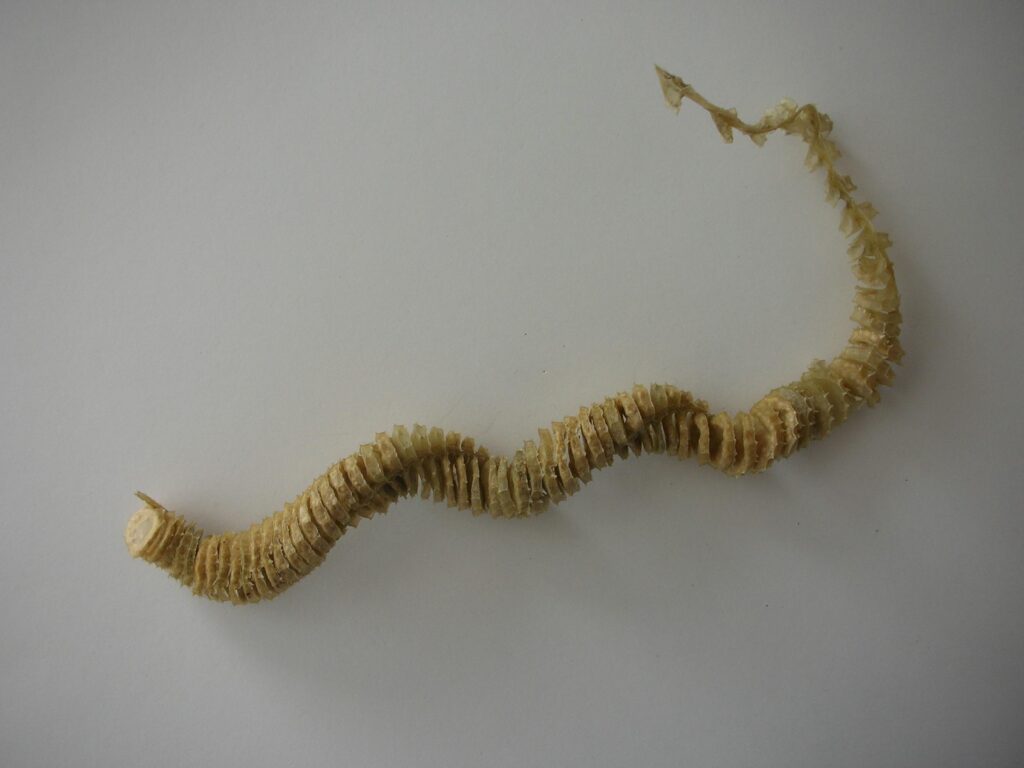
Inch Worm berthierite on quartz
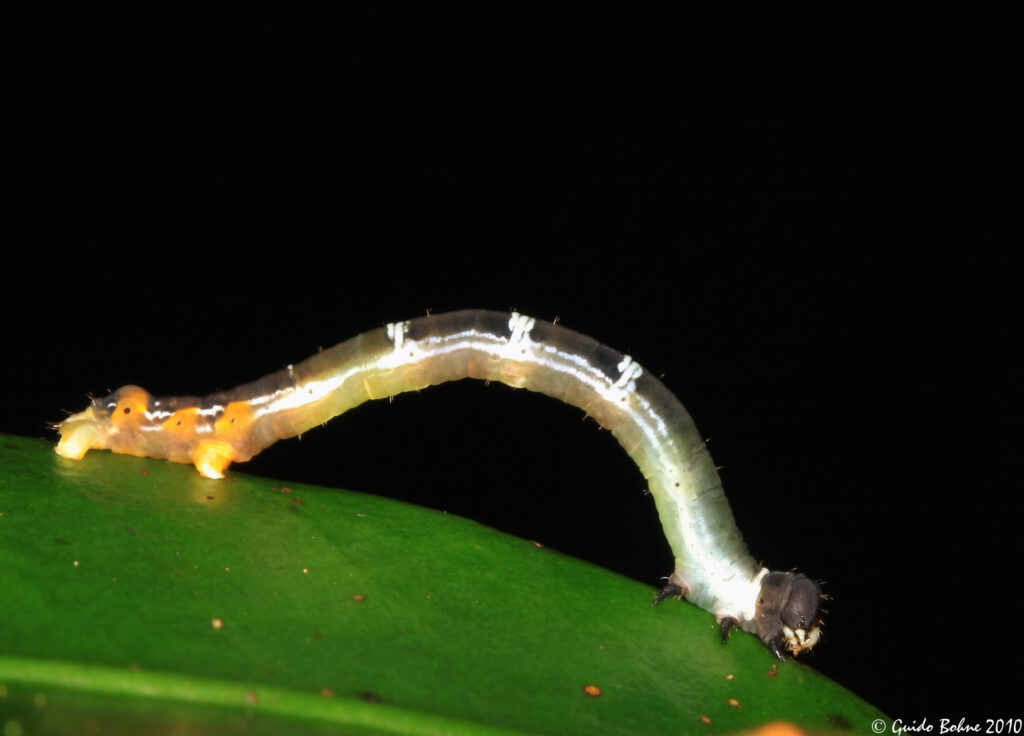
“Inch Worm” – Berthierite on quartz in The Maramures District of Romania exhibit
photo of an inch worm
Photo credit: gbohne from Berlin, Germany, CC BY-SA 2.0, via Wikimedia Commons
The Scream septarian concretion
“The Scream” – Septarian concretion in the Weathering Processes exhibit
"The Scream" painting
Image credit: Edvard Munch, Public domain, via Wikimedia Commons
the oyster natrolite on quartz
“The Oyster” –  Natrolite on quartz in the Deccan Plateau of India exhibit
oyster shell with a pearl
Photo from Shutterstock.
French fries laumontite
“French Fries” – Laumontite in Masterpiece Gallery
cup of French fries
Image by ha11ok from Pixabay.

As you enter Hillman Hall, check out the minerals in the Entrance Cube, their nicknames are on the labels. There are many more minerals on display throughout the hall that have acquired nicknames. Here’s just a handful of other nicknames for minerals in the exhibits, see if you can find them. Good luck and enjoy your mineral gazing!

NicknameExhibit
The BatIgneous Rocks
Polar BearWeathering Processes
Sea SlugThe Maramures District of Romania
The ChariotsThe Maramures District of Romania
Smog MonsterThe Maramures District of Romania
Sea SerpentPennsylvania Minerals and Gems
Pine Trees On a CliffOxides
BBQ ChipsMasterpiece Gallery
Cookies and CreamMasterpiece Gallery

Debra Wilson is Collection Manager for the Section of Minerals at Carnegie Museum of Natural History.

Related Content

How Do Minerals Get Their Names?

What Does Pittsburgh Have in Common with Mount Vesuvius?

Master of Optical Illusion

Carnegie Museum of Natural History Blog Citation Information

Blog author: Wilson, Debra
Publication date: June 28, 2024

Share this post!

  • Share on Twitter Share on Twitter
  • Share on Facebook Share on Facebook
  • Share on Pinterest Share on Pinterest
  • Share on LinkedIn Share on LinkedIn
  • Share on Reddit Share on Reddit
  • Share via Email Share via Email

Filed Under: Blog Tagged With: Deb Wilson, Debra Wilson, Hillman Hall, Hillman Hall of Minerals and Gems, minerals, Science News

June 14, 2024 by Erin Southerland

Life Lessons from Dead Birds

by Pat McShea

The title of this post, “Life Lessons from Dead Birds,” is a phrase I use to summarize my long career as an educator at Carnegie Museum of Natural History. For more than 38 years I managed what is now called the Learning Collection, an enormous assemblage of artifacts, rocks, minerals, fossils, and preserved plants and animals, all dedicated to regional educational use through loans to teachers and other educators. The bird-focus of the summary phrase reflects both the numerous avian materials in the Learning Collection and my preference to use some of those items whenever I had the opportunity to work with students. 

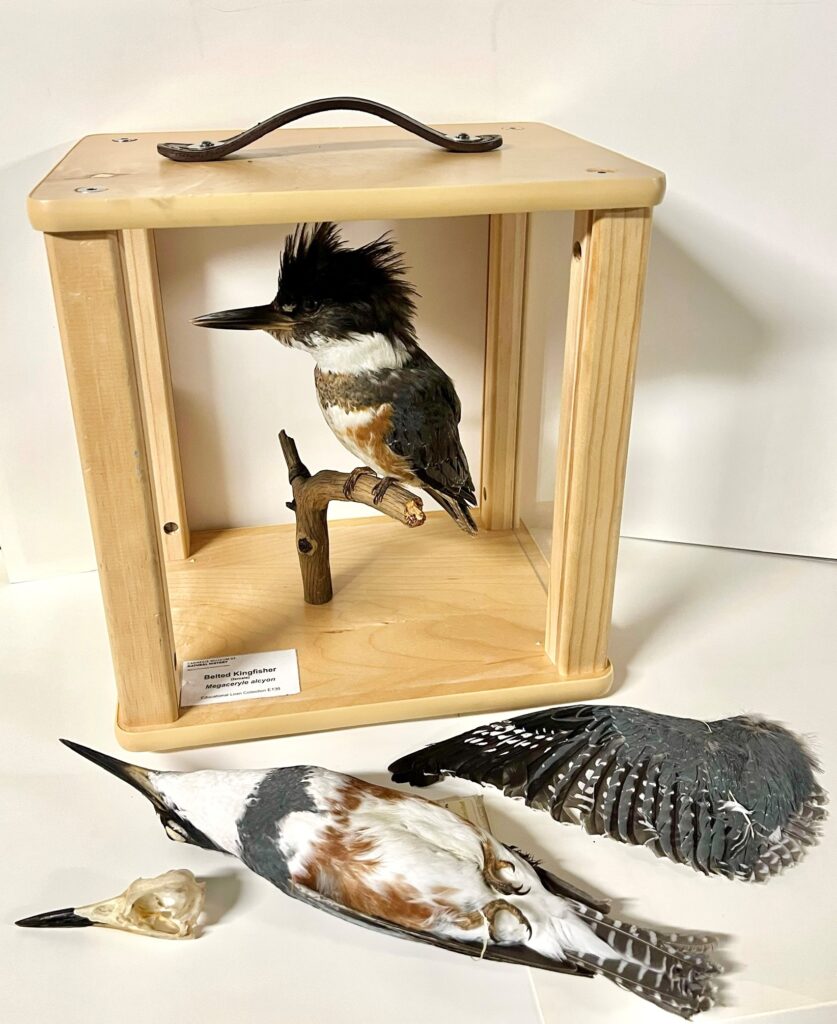
belted kingfisher taxidermy mount study skin, wing, and skull
Belted Kingfisher physical materials in the Learning Collection include a taxidermy mount, study skin, spread wing, and skull. 

There was reasoning behind my bird bias. For natural history topics as narrowly focused as physical feeding adaptations, and as wide ranging as energy flow through ecosystems, bird examples provided students, elementary, middle, or high school level, with the chance to make their own topically relevant observations using common bird species around their school grounds, neighborhoods, and homes. My earliest presentations, however, taught me how important it was to address questions from the audience about the unique instructional materials. 

The students’ questions never seemed like accusations. Whether the setting was a classroom, an auditorium, or a park pavilion, when I stood before them bearing the preserved remains of a once living bird, they simply wanted to know about my connection to the creature’s death. My denials varied with the specimen in-hand. For the spread wing of a hawk, or the skull of an owl, touchable objects that require occasional replacement because of wear from repeated examinations, I’d explain the specimen’s provenance as salvaged material from road-killed or window-killed wildlife.  

“Birds and other wildlife have accidents, and sometimes already dead animals are donated to the museum. Permits and regulations are involved, and as a museum educator, my role in the process is to store the bodies in a freezer until they can be prepared for educational purposes.” 

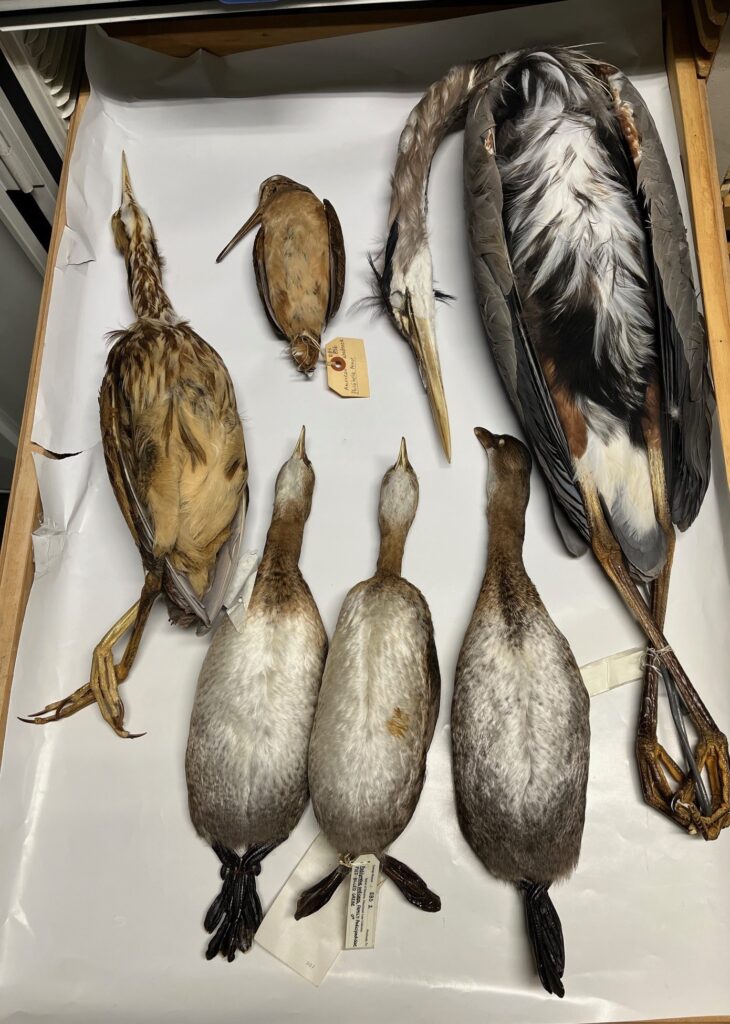
A Learning Collection storage drawer holds six bird study skins. Clockwise, Great Blue Heron, Pied-billed Grebe (3), American Bittern, and American Woodcock. 

When presentations involved life-like, full body taxidermy mounts, I was able to cite far longer periods of personal separation. These birds are encased in portable display boxes with clear acrylic sides, and when I held them up, I drew the students’ attention to the creature’s pose.  

“This bird appears ready to feed or to fly, and it’s been holding that position since long before I began working at the museum. I don’t know how it died, but I can share some information about how it has been preserved.” A gory summary followed, compressing into a few sentences, hours of meticulous work with scalpels, wire, pins, and a bird skin with every feather still attached to its outer surface. “The feathers are real, and the beak, along with some skull bones and leg bones, are still in place. All the body parts that would decay were removed long ago – the eyes, the brain, every internal organ, the muscle tissues. The eyes were replaced with glass replicas, of the proper size, shape, and color, and the skin, with feathers in place, was fitted over a custom-made form shaped just like the bird’s body.” 

On some occasions, exploration of a presentation’s main topic was even further delayed because student inquiries shifted from the circumstances behind the authentic wildlife materials to their very purpose. “Why use animal remains at all?” I recall a student once asking.  

My attempts to answer such questions came to include a quote from the late Dr. John E. Rawlins, former Curator of the museum’s Section of Invertebrate Zoology, about the critically important reasons for scientific collections to be created, maintained, and expanded. “Specimens are similar to books in libraries, because they are volumes of information that may be re-examined and reaffirmed,” Dr. Rawlins wrote, “But specimens are much more informative than books, because the content of a book is acquired in full by a single type of observation, reading. By contrast, the information content of a specimen is acquired by diverse methods of observation, many of which have not been applied to most specimens, and some of which have not yet been devised or even dreamed of.” 

In advocating for the use of similar materials as educational tools, I expressed my hope that their current encounter with selected bird specimens might spark interest in, and even build empathy for, the populations of various wild bird species. As an example of this process, I cited personal experience. Before working at the museum, I was a Volunteer Naturalist at Beechwood Farms Nature Reserve, the headquarters for the Audubon Society of Western Pennsylvania. My first encounter with a bird study skin (the rigid, cotton-stuffed, and eyeless form traditional in scientific collections) occurred during a training session there, when a Pied-billed Grebe specimen was the focus of a presentation. As the study skin was carefully passed among the dozen participants, we were encouraged to examine the bird’s lobed toes, a physical feature that provided hints about the creature’s aquatic lifestyle. 

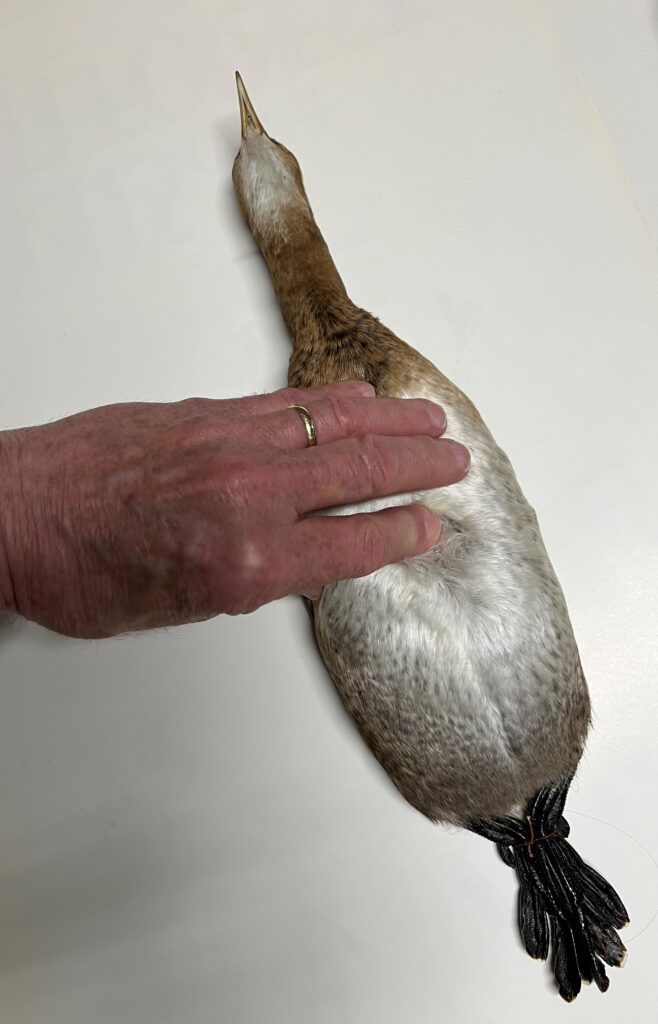
In carefully examining the study skin of a Pied-billed Grebe, you can learn about the dense down insulation of this aquatic bird. 

On sections of the lower Allegheny, I had observed single Pied-billed Grebes at least a dozen times during winter months, floating placidly just off sections of wooded riverbank, and making regular, 30-second dives beneath the surface. When the study skin reached me, I dutifully examined its toes, but I also used an index finger to gently part the dense pale breast feathers to reveal a layer of much denser gray down beneath them. In that moment, the specimen provided information, different than a photograph or written account, about how the birds I observed on the icy Allegheny stayed warm. This tactile specimen-centered encounter convinced me that preserved bird remains can enhance observations of the species’ more numerous living kin. During the years I managed the Learning Collection this was among the most important concepts I promoted. 

Pat McShea is an Educator at Carnegie Museum of Natural History.

Related Content

Ruffed Grouse or Scarlet Tanager: Debating the Pennsylvania State Bird

What’s Up With the Dead Birds?

Tracking Migratory Flight in the Northeast

Carnegie Museum of Natural History Blog Citation Information

Blog author: McShea, Pat
Publication date: June 14, 2024

Share this post!

  • Share on Twitter Share on Twitter
  • Share on Facebook Share on Facebook
  • Share on Pinterest Share on Pinterest
  • Share on LinkedIn Share on LinkedIn
  • Share on Reddit Share on Reddit
  • Share via Email Share via Email

Filed Under: Blog Tagged With: Birds, Pat McShea

May 22, 2024 by Erin Southerland

Botanists Gone Wild! Perspectives from the Record-Breaking Finish for City Nature Challenge 2024

by Jessica Romano

Every spring people all over the world join in the City Nature Challenge, a global effort to safely document and identify nature through the free and easy-to-use iNaturalist app. For the seventh consecutive year, Carnegie Museum of Natural History staff were among the participants taking on the challenge in and around the Pittsburgh region – and in 2024, the results were record-breaking! Totals for regional participants, identifiers, observations, and number of species hit their highest in the history of the challenge, thanks to a combination of warm, dry spring weather and dedication from participants. Observations and identifications made during the challenge are shared with scientists around the world, helping to both document and better understand the diversity of species around us.

Here are the totals from the Pittsburgh Region City Nature Challenge 2024 (CNC) – which are all records for this region’s participation! 

Total participants who made observations: 643

Total participants who made identifications: 562

Total observations made: 10,050

Total species identified: 1,753

Total identifications: 16,875

Plants topped the list for observed species, with about 46% of the total, followed by insects with about 27% of the total. Other species identified but in smaller totals include fungi, birds, arachnids, mammals, reptiles, amphibians, and mollusks. 

Mayapple (Podophyllum peltatum) took the top spot overall. This native plant species sprouts early in spring with long stems and umbrella-like leaves. The rest of the top 10 species are all plants, with the exception of the Red Admiral (Vanessa Atalanta), a beautiful butterfly with red bands on the wings. The most observed bird, the American Robin (Turdus migratorius),took spot 17, and at spot 26, the White-tailed Deer (Odocoileus virginianus) was the most observed mammal. 

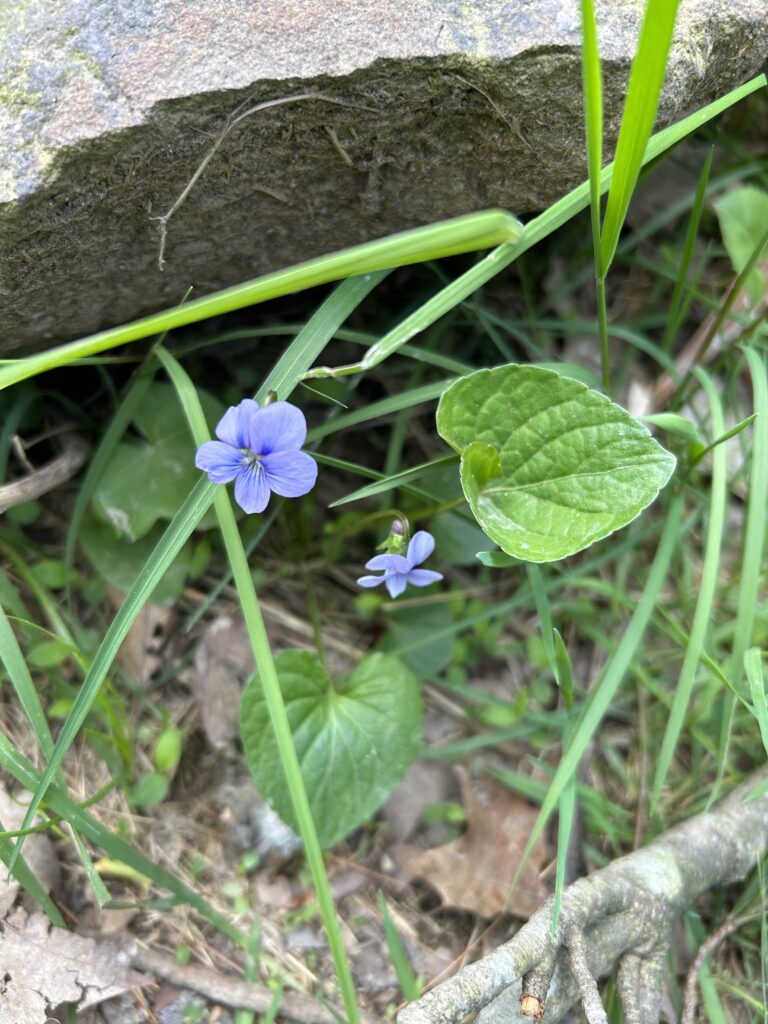
The lovely Common Blue Violet (Viola sororia) came in third place on the list of observed species.

With plants claiming nine of the top ten spots, it’s fitting to get perspective from the museum’s Section of Botany, who not only participate, but whose dedication puts them at the top of the list. Although they are literally professionals at looking for plants, the common message from the Botany staff is that anyone can do this challenge! The objective is to document nature all around us, from parks to neighborhood streets to city blocks and beyond. 

Reflections from the Section of Botany Scientists

Curatorial Assistant Alyssa Landa made a point to visit similar spots that she visited last year, as well as around her yard and street to look at things she walks past every day. “CNC is a great reminder to check out places near me,” Alyssa said. “The big thing for me this year is just the number of new-to-me species I was able to log, just by taking that little bit of extra time to pay attention to what’s around that I might not otherwise be drawn to or notice! This time of year is always really exciting to me, and CNC is a fun reminder that there’s still so much to learn. It’s also a reminder to revisit my old, well-known (plant) friends too.” And her efforts made a difference! Alyssa logged the second highest total identifications, putting her expertise to excellent use.

A steadfast champion for the City Nature Challenge, Associate Curator of Botany Mason Heberling uses the challenge to check out the woods nearby where he lives. “I get caught up in other things and forget to appreciate the hyper-local diversity, within walking distance,” Mason said. “I make it a point to visit the same woods by my house every CNC.” Despite travelling out of the area for much of the challenge, Mason logged nearly 100 local observations!

And then there’s Bonnie Isaac, the section’s Collection Manager. Although City Nature Challenge is not a competition, it’s worth noting and applauding Bonnie’s efforts – she logged the highest number of both observations and identifications in the Pittsburgh region this year! She made 607 observations, which totaled 343 different species, and identified a whopping 1,697 entries! Bonnie shared her reflections about the challenge and described why it’s so important to her.

“When I was young, I could not spend enough time outdoors. I was outside from sunup till sundown or until my folks came looking for me. My curiosity led me to want to know what everything I encountered was. One year one of my sisters gave me a Peterson field guide for Christmas. This led me to discover that there was a whole series of Peterson field guides. Thus began my collecting career. I had to have every Peterson Field Guide that came out. (I now have a complete set of Peterson Field Guides, leather bound editions.)  With these guides I could go out and try to identify everything I saw. I was in heaven. I am also a very competitive person. The City Nature Challenge takes what I love to do and makes it into a bit of a competition. I don’t live in the Pittsburgh City Nature Challenge region. I live in Lawrence County. During the pandemic the best I could do was help with identifying observations. Now that I can travel to the Pittsburgh region during the City Nature Challenge. Game on!” – Bonnie Isaac

Of Bonnie’s impressive collection of field guides, the first one she received was not plants, but animal tracks! It was written by Olaus J. Murie, a former employee of Carnegie Museum of Natural History who became a world famous biologist. Image credit: Bonnie Isaac.

For this year’s challenge, Bonnie visited Raccoon Creek State Park, Moraine State Park, Bradys Run Park, and Brush Creek Park. “The City Nature Challenge gives me a chance to get outside and see how many different things I can find,” Bonnie said. “Every year I challenge myself to find more species than I did the previous year. I also find identifying observations made by others somewhat satisfying. I get a chance to hone my identification skills and I get to see what others have found.”

Even for a botanist with decades of experience like Bonnie, each year brings surprises. “Every year there are surprises that I didn’t expect. I’ll discover that something is blooming that I didn’t think would be blooming yet, or I might find that someone found a plant growing in an area where I wouldn’t have expected it.”

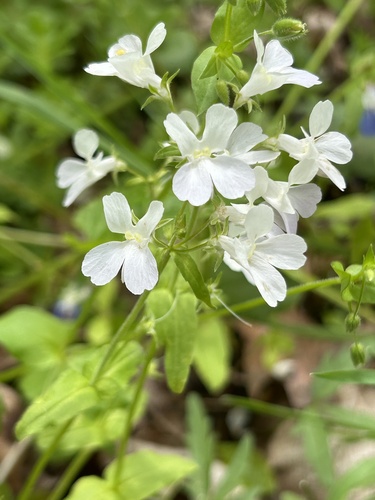
Bonnie has never seen an all-white Blue-eyed Mary (Collinsia verna). She was excited to see that iNaturalist user “bquail” found some during the challenge. Image credit: © bquail via iNaturalist, CC BY-NC

Bonnie continued, “The top observations tend to be some of the same things, many plants that are not native to the area. It’s the things with only a couple observations that I find the most interesting. It’s these unusual observations that keep me eager to see what nifty things are being found basically in our own backyards. It also keeps me energized to get out and find more and to look closer for the minute details that might separate one species from another.” 

The iNaturalist app also allows for recordings of bird song, frog calls, and other sounds. Bonnie connected with a user who identified a unique feature on one of her uploaded recordings. “One of the surprises for me was someone contacting me to let me know that one of my bird recordings had gray tree frogs singing in the background.”

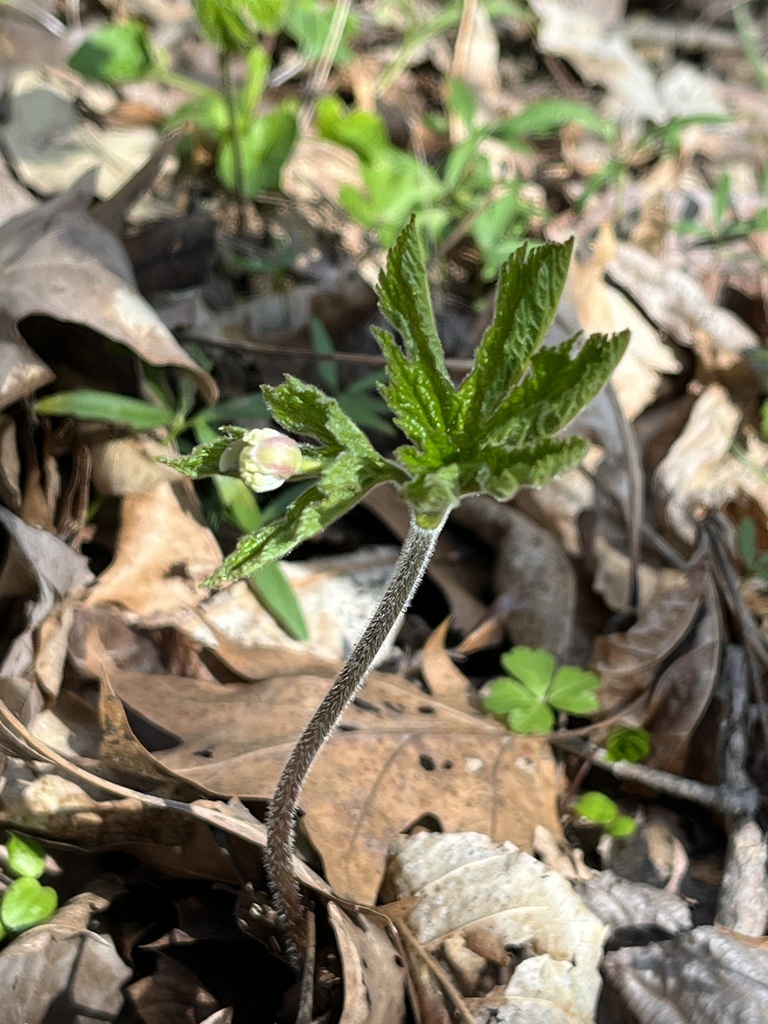
Bonnie’s favorite observation of 2024 was this Goldenseal, just coming into bloom. Image credit: Bonnie Isaac.

A Global Effort with Big Results

City Nature Challenge 2024 was not just a success in Pittsburgh – globally the number of cities participating increased to 690 this year, a big jump from 482 cities in 2023! Here are a few of the worldwide stats:

Total participants: 83,528 in 690 cities in 51 countries

Total observations made: 2.4 million

Total species identified: 65,682

The big winner across the board, with most observations, species, and participants is La Paz, Bolivia!

The City Nature Challenge returns next spring. Let’s see if we can build on the truly remarkable success of 2024!

Jessica Romano is Museum Education Writer at Carnegie Museum of Natural History.

Related Content

Snags, Logs, and the Importance of a Fallen Tree

City Nature Challenge: A 2022 Reflection

The City Nature Challenge Family Experience

Carnegie Museum of Natural History Blog Citation Information

Blog author: Romano, Jessica
Publication date: May 22, 2024

Share this post!

  • Share on Twitter Share on Twitter
  • Share on Facebook Share on Facebook
  • Share on Pinterest Share on Pinterest
  • Share on LinkedIn Share on LinkedIn
  • Share on Reddit Share on Reddit
  • Share via Email Share via Email

Filed Under: Blog Tagged With: Alyssa Landa, Bonnie Isaac, Botany, City Nature Challenge, Education, Jessica Romano, Mason Heberling

May 15, 2024 by Erin Southerland

Slipper Snails Slide Between Sexes in Stacks

Or, Crepidula fornicata say, “Trans Rights!”

…if they don’t get eaten by their siblings first.

by Sabrina Spiher Robinson
A pair of slipper snails seen from below.
A pair of slipper snails seen from below. Image credit: Ecomare/Sytske Dijksen, CC BY-SA 4.0 https://creativecommons.org/licenses/by-sa/4.0, via Wikimedia Commons
A stack of Crepidula fornicata, grown together (with a little chiton, another type of mollusk, hanging out on the top of the family).
A stack of Crepidula fornicata, grown together (with a little chiton, another type of mollusk, hanging out on the top of the family). Image credit: User Lamiot on fr.wikipedia, CC BY-SA 1.0 https://creativecommons.org/licenses/by-sa/1.0, via Wikimedia Commons

Slipper snails, Crepidula fornicata, are a common find for shell collectors along the American east coast, and in some places on the west coast as well, where they have been accidentally introduced as an invasive species. But just because they’re common, doesn’t mean they’re not interesting – in fact, they’re one of the most well-studied marine snails, and all of that study has revealed a creature with a fascinating life cycle.

Crepidula are protandrous hermaphrodites – this means that all slipper snails begin their lives as male, and end their lives as female. As juveniles, they wander over the substrate, preferring hard surfaces like rocks, dock pilings, other shells, and even horseshoe crabs. But most C. fornicata will choose to settle on top of another C. fornicata, who might be settled atop another, and another, and so on. They live in stacks, sometimes of up to a dozen animals, one balancing on top of the next until their shells grow around each other, and they can no longer move, becoming sessile (stationary) by default.

Of course, a stack of all males won’t get very far reproductively. So, it’s time for at least a few C. fornicata to begin the next stage in their lives, and transition to females. Several things influence when the change takes place, primarily the animal’s size, because producing gametes is energetically costly: more sperm takes more energy than less sperm, and eggs take more energy than sperm altogether. But it’s not so straightforward as just growing to a certain size and changing sex. If there are no females around, for instance, some males will transition to females at smaller sizes than they usually would.¹  Alan Carillo-Boltodano and Rachel Collin write:

“In our experiment, pairs of snails (one small and one large) were kept in cups, either together or partitioned off with fine or coarse mesh, or partitioned, but switched from side to side to allow contact with the cup mate’s pedal mucus. The larger snails that were allowed contact with the smaller companions grew faster, and generally changed sex sooner, than did the larger snails in the barrier treatments, which allowed no physical contact. The smaller snails that were allowed contact with the larger cup mate delayed sex change compared to those separated from their cup mates … Our results suggest that the cue that affects size and time to sex change requires some kind of physical interaction that is lost when the snails are separated. Furthermore, contact with another snail’s pedal mucus does not compensate for the loss of physical contact.”²

In other words, when the slipper snails are in actual contact with each other, they seem to send signals to one another that help to coordinate growth and sex change.

In general, though, males will wait until they’re a certain size to transition, because larger males are more reproductively successful than smaller males, as determined by experiments that genetically test offspring to see whose genes were most successful in the stack. There’s one exception to this though – sneaky little guys! Male Crepidula inseminate females directly, so in general the male right on top of the female at the bottom of the stack will be the most successful fertilizer, and then the male on top of him, and then the others on top of them can’t reach and are out of luck for the moment. But! The smallest juvenile Crepidula, who have not yet chosen a stack of their own, have been found to sneak up on the substrate next to the female, inseminate her, and sneak away, using a strategy that gets around “bigger = more sperm.”³

Larger males might have more reproductive success than smaller males, but no one has more reproductive success than slipper snails who have transitioned to females. Eggs are a much bigger energy investment for an animal than sperm are, and so becoming a female requires a certain size to make the transition worthwhile. But once a slipper snail is female, she has a couple reproductive advantages: in the first place, she can hoard sperm for a long time, including her own from when she was a male, so she always has plenty of material to fertilize her eggs. This also means that while only a third or a quarter of the embryos will have a given male’s DNA, they’ll all have hers. Secondly, Crepidula females brood their young. Unlike many marine mollusks, who release their eggs and sperm into the water column where they meet and the embryo has to grow up among the plankton, at risk of becoming a meal for many things before they ever even get to grow into larvae, Crepidula keep their eggs in brooding pouches. Females keep between 15 and 20 pouches inside their shells, each containing between 50 and 450 embryos. She’ll brood them until they turn into larvae that can swim about on their own, keeping them safe to grow at least for a little while.

And thus, every Crepidula fornicata begins their life as a tiny, and sometimes sneaky, roaming male, sowing his wild oats; eventually he finds a nice stack to settle down on to become a dad; and then they transition sexes and live out her days as mother and base of the stack, brooding little babies in safety until they’re ready to hatch into larvae. Slipper snails make small stacks, but big happy families.

However, perhaps nowhere is safe. Once the eggs are brooding in their capsules, the mother slipper snail has no way to transfer additional nutrients or oxygen to the embryos.  This environment of scarcity leads some species of Crepidula embryos to start cannibalizing each other! The embryos of Crepidula coquimbensis, a species of Crepidula first described in Chile, have at least been found to be choosy about eating their brothers and sisters. Brood capsules are fertilized by multiple males, meaning all the embryos have the same mother, but not every embryo has the same father. It was discovered that cannibalistic embryos were much more likely to eat their half-siblings than their full siblings, thus protecting embryos they shared a complete set of DNA with. It’s still not known how these embryos recognize kinship, though.⁴ In another species of Crepidula, Crepidula navicella, a gene in some of the embryos in each capsule switches on and arrests their development, basically turning them into meals for their siblings, a genetic predisposition to being either a cannibalizer or a cannibalizee.⁵

Of course, once the larvae are released into open water, all bets are off, and a lot of filter-feeding animals, including other mollusks, including other Crepidula, might eat them. However, Jan Pechenik reports:

“… in our study the same adults usually ingested their own larvae at much slower rates than predicted from the rates at which they cleared water of phytoplankton. These slower rates may in part reflect an inability or reluctance of adults to ingest particles of such large size …  However, most of the larvae that we observed being entrained into adult feeding currents were ingested, and later appeared in feces, and adults were capable of ingesting larvae that were larger … Thus, lower than predicted rates of [larvae eating] by C. fornicata more likely reflect larval behavior – deliberate or not – reducing the likelihood of [getting drawn] into the adult feeding current, as suggested previously from studies with [other marine filter feeders].”⁶

At least baby Crepidula, once free, seem to have developed a way to avoid being eaten by their parents, if not their siblings!

Sabrina Spiher Robinson is Collection Assistant for the Section of Mollusks at Carnegie Museum of Natural History.

References:

[1] Proestou, Dina A., Goldsmith, Marian, Twombly, Sarah (2008) “Patterns of Male Reproductive Success in Crepidula fornicata Provide New Insight for Sex Allocation and Optimal Sex Change.” The Biological Bulletin (Lancaster), vol. 214, no. 2, 2008, pp. 194–202, https://doi.org/10.2307/25066676.

[2] Carrillo-Baltodano, Allan, and Collin, Rachel (2015). “Crepidula Slipper Limpets Alter Sex Change in Response to Physical Contact with Conspecifics.” The Biological Bulletin (Lancaster), vol. 229, no. 3, 2015, pp. 232–42, https://doi.org/10.1086/BBLv229n3p232.

[3] Broquet, Thomas, et al. “The Size Advantage Model of Sex Allocation in the Protandrous Sex-Changer Crepidula fornicata: Role of the Mating System, Sperm Storage, and Male Mobility.” The American Naturalist, vol. 186, no. 3, 2015, pp. 404–20, https://doi.org/10.1086/682361.

[4] Brante A, Fernández M, Viard F (2013) Non-Random Sibling Cannibalism in the Marine Gastropod Crepidula coquimbensis. PLoS ONE 8(6): e67050, doi:10.1371/journal.pone.0067050

[5] Lesoway, MP, Collin, R, Abouheif, E. (2017) “Early activation of MAPK and apoptosis in nutritive embryos of calyptraeid gastropods.” J. Exp. Zool. (Mol. Dev. Evol.) 328B: 449–461. doi:10.1002/jez.b.22745.

[6] Pechenik, Jan, Blanchard, Michel, Rotjan, Randi (2004) “Susceptibility of Larval Crepidula fornicata to Predation by Suspension-Feeding Adults.” Journal of Experimental Marine Biology and Ecology., vol. 306, no. 1, 2004, pp. 75–94, https://doi.org/10.1016/j.jembe.2004.01.004.

Related Content

Oysters Swim Towards a Siren Soundscape

Shark-ish Beasts versus Cephalopods: Which is Predator, Which is Prey, and is One an Artist?

Diet-wise, Snails are Like Cows, Not Bugs

Carnegie Museum of Natural History Blog Citation Information

Blog author: Robinson, Sabrina Spiher
Publication date: May 15, 2024

Share this post!

  • Share on Twitter Share on Twitter
  • Share on Facebook Share on Facebook
  • Share on Pinterest Share on Pinterest
  • Share on LinkedIn Share on LinkedIn
  • Share on Reddit Share on Reddit
  • Share via Email Share via Email

Filed Under: Blog Tagged With: mollusks, Sabrina Spiher Robinson, Science News, Spotlight on Science, Spotlight on Science Mollusks

May 8, 2024 by Erin Southerland

Pressed Flowers Come Alive by Telling Their Pollination Story

by Nathália Susin Streher

Do you ever wonder what made you pursue your dreams in life? When I ask myself this question, it inevitably takes me back to my childhood and the indelible memories that growing up in the most biodiverse country in the world left on me. From the diversity of fruit trees and the tiny animals that crawled them in my backyard to the varied ecosystems in the surrounding areas, living in Brazil has shaped my perception of nature and sparked a singular curiosity about the variety of forms and interactions I could observe. As the little scientist in me grew up, fueled by the fascination with the beautiful mysteries of flowers, it naturally guided me toward the path of studying plants and their interactions. 

As I stepped into the world of science, my first paid opportunity as an undergrad in biology was in a small herbarium. There I learned about preserving plant specimens collected from nature and their importance for identification and classification of plant species. What I did not realize back then was that herbaria store more than just names and relations among species; they also provide a means to investigate ecological interactions like the ones that captivated me as a child. I kept that flame of curiosity from my childhood alive and came to the US as a postdoc researcher. My research group at the University of Pittsburgh and I have been incorporating some unconventional uses of herbarium material into our research. In a recent scientific publication, we used herbarium specimens (many sourced from the CMNH herbarium) to explore a crucial ecological mutualism between animals that visit flowers for food and plants that require go-betweens to transport their pollen—a process called pollination.

In pollination biology, it is common to investigate floral characteristics because they play a crucial role in mediating plant interactions with their pollinators. For example, plants with long floral tubes are typically pollinated by morphologically matching long-tongued pollinators. While certain floral traits, such as visible color and scent, may be altered or completely lost during the drying process of plant specimens, many of the other characteristics remain accessible even after years of preservation. Thus, as long as the herbarium sheet contains at least one flower, valuable biological information can be extracted to understand plant-pollinator interactions.  

In this study, we used herbarium specimens to reveal the network of past plant-pollinator relationships. Specifically, we sampled a small piece of the flower, the stigma, which is the structure that receives pollen grains delivered by pollinators. As pollinators may visit several plant species flowering together, inspecting stigmas can unveil a plant’s pollination story. By assessing the diversity of pollen grains morphologically distinct from the target species, we gain insights into whether the target species interacted with many or only a few other plant species through pollinator sharing.

images of a pressed flower with close-ups of the stigma, anther, and pollen grains

Leveraging herbarium specimens for ecological questions offers a unique advantage, as they provide historical, spatial, and long-term perspectives to scientific studies—dimensions that may otherwise be challenging to attain. In studies of plant-pollinator interactions, researchers often rely on direct pollinator observation data, which, while ideal, has limitations such as being time-consuming, costly, and dependent on various conditions. Pollen deposited on stigmas of herbarium specimens arises as a valuable alternative when direct pollinator observation is unfeasible. Herbaria offer scientists a convenient way to compare numerous plant species from around the world. Actively incorporating these specimens into research not only keeps the collections dynamic but also magnifies their overall significance. Much like the plant-pollinator interaction—it’s a win-win scenario. I hope our work inspires others to perceive herbarium collections as guardians of biodiversity and encourages scientists to unlock the hidden potential of their precious specimens.

Beyond the scientific excitement of unraveling the pollination story within herbarium specimens, I once again seemed to have missed yet another potential interaction they could reveal. While going through the cabinets housing the specimens at CMNH, I unexpectedly encountered plants collected from the same region where I was born and raised in Brazil. I never thought that an old, dried plant could make me feel closer to my homeland. Living abroad to pursue the scientific dream is no easy feat—different language, different culture. But that moment was a reminder of my childhood connection with nature that brought me here. Now, I see herbaria not only as guardians of biodiversity but also as promoters of a sense of belonging in us.

Collage of images, clockwise from top left: the author inspecting flower traits and age seven; the author and her friend during their early yeas as undergrads, learning how to press plant specimens in Brazil; an herbarium specimen with the following note from the author "On of the plant specimens that I found in the CMNH herbarium fostered a sense of connection between me and my homeland. The specimen was collected just around 80 miles from where I was born and originally deposited in the herbarium of my hometown"; the author sampling stigmas in the herbarium

Nathália Susin Streher is a postdoctoral research associate in the Ashman Lab of University of Pittsburgh.

Related Content

Collected On This Day in 1950: Dutchman’s Breeches

What Do Botanists Do On Saturday?

Collected On This Day in 1944: Squarrose Goldenrod

Carnegie Museum of Natural History Blog Citation Information

Blog author: Streher, Nathália Susin
Publication date: May 8, 2024

Share this post!

  • Share on Twitter Share on Twitter
  • Share on Facebook Share on Facebook
  • Share on Pinterest Share on Pinterest
  • Share on LinkedIn Share on LinkedIn
  • Share on Reddit Share on Reddit
  • Share via Email Share via Email

Filed Under: Blog Tagged With: Botany, Natalia Susin Streher

May 2, 2024 by Erin Southerland

Type Specimens: What are they and why are they important?

by Timothy A. Pearce and Rachel Thomas Beckel

What do we mean when we say we have type specimens in the Carnegie Museum of Natural History (CMNH) collections?  

Type specimens are (usually) the specimen(s) a person describing a new species looks at as they write the description (it’s this tall, this wide, this color, sculptured with bumps like this, etc.) and type specimens are the official name bearers for the whole species. 

There are many kinds of type specimens, but the most important kind is the holotype. Paratypes (other specimens the original describer believes are the same new taxon) are also important, but holotypes are the most important. Two other kinds of type specimen are lectotypes (selected from the paratypes if the holotype is lost) and neotypes (selected from any specimen if all type material is lost). Every time we add another holotype it bolsters the significance of CMNH’s already significant collections. It raises our visibility on the “radar” of researchers and puts us on the map for that taxon.

Carnegie Museum collaborator Dr. Aydin Örstan recently named a new subspecies of snail Albinaria coa tek (Örstan & Yildirim 2023). He deposited the holotype and 12 paratypes of the new subspecies in the Mollusks collection at CMNH.  

Holotype of Albinaria coa tek Örstan, 2023. Image from Örstan & Yildirim (2023).

If a researcher wants to know if they have found another specimen of Dr. Örstan’s new subspecies, they could read his description. However, to be absolutely sure, a researcher might need to compare their finding to the type specimen. 

Think of types as the gold standard. Because of their importance to nomenclature and taxonomy (the science of naming species), most museums (including CMNH) keep their type specimens securely locked in a special cabinet.

With regard to this land snail holotype, for Carnegie Museum to have the holotype of Albinaria coa tek means that people studying that subspecies or closely related taxa might need to travel to the museum to examine the type specimen or ask for additional information about it. For their research paper to be complete, they would need to refer to that holotype specimen. In addition to the holotype, Dr. Örstan gave CMNH paratypes of Albinaria coa tek, which can be important for understanding the range of variation in the subspecies.

Albinaria are land snails that occur in SE Europe and the Middle East and are typically found on limestone. In some cases, they appear to have been able to form new colonies when ancient humans moved limestone around for buildings (the snails likely hitchhiked on the limestone blocks). That means we can trace trade routes over which ancient humans were moving limestone.

The family Clausiliidae (which contains the genus Albinaria) are of interest because they bear a clausilium, a kind of door for closing the shell (hence the common name “door snails”), which is unique to the family and is very different from the operculum, which is a different kind of door in many sea snails and some land snails. Furthermore, most snails in the family Clausiliidae coil counterclockwise, which is the opposite direction of more than 99% of all other snails. Additionally, Clausiliidae have a peculiar global distribution, being found in western Europe, Eastern Asia, and northern South America. People who study biogeography (how species came to be living where they are now) scratch their heads wondering how Clausiliidae came to be living in those three separate places without any individuals being found in between – for example, if they migrated from Europe to northern South America, why don’t any Clausiliidae occur in North America?

In addition to this new holotype (and paratypes) in the Section of Mollusks, holotype specimens of new species of vertebrates and paratypes of a new species of insect were named in 2023 and deposited in the relevant sections of the CMNH collection:

Pietro Calzoni, from the Universitá di Padova, Italy, and colleagues designated a CMNH Vertebrate Paleontology fossil as the holotype of a new bony fish species, Rhamphosus tubulirostris (Calzoni et al. 2023). 

Three new species of the insectivore mammal genus Plagioctenoides (P. cryptos, P. dawsonae, and P.goliath), and one new species of Cuetholestes (C. acerbus), were recently named from CMNH Vertebrate Paleontology fossils (Jones and Beard 2023). 

A CMNH Vertebrate Paleontology gekko fossil was designated as the holotype of Limnoscansor digitatellus (Meyer et al. 2023). CMNH visitors can view this specimen  on display in the Solnhofen case in the Dinosaurs in Their Time exhibition.

Limnoscansor digitatellus

A male and six female moths from the CMNH Invertebrate Zoology collection were named the new moth species Meganaclia johannae (Ignatev et al. 2023). The moths were collected between 1918 and 1925 in Cameroon and were housed in the Invertebrate Zoology collection awaiting discovery as new species. 

While CMNH welcomes hundreds of thousands of visitors per year to the public galleries, scores of researchers work behind the scenes to expand our understanding of the different kinds of organisms, as evidenced by their type specimens, that are present in our incredible world. As the moth example demonstrates, Carnegie Museum of Natural History (and other museums around the world) hold specimens that have yet to be recognized as new species!

Timothy A. Pearce is Curator of Mollusks and Rachel Thomas Beckel is Administrative Coordinator for Science & Research at Carnegie Museum of Natural History.

References

Calzoni, P., J. Amalfitano, L. Giusberti, M. Carnevale, and G. Carnevale. 2023. Eocene Rhamphosisdae (Teleostei: Syngnathiformes) from the Bolca Lagerstätte, Italy. Rivista Italiana di Paleontologia e Strigrafia, 129(3): 573-607. 

Ignatev, N., G.M. László, A. Paśnik, Z.F. Fric, H. Sulak, and G.C. Müller. 2023. Five new species of the genus Meganaclia Aurivillius, 1892 (Lepidoptera: Erebidae: Arctiinae: Syntomini). Zootaxa, 5296: 457–474. 

Jones, M., and K.C. Beard. 2023. Nyctitheriidae (Mammalia, ?Eulipotyphla) from the Late Paleocene of Big Multi Quarry, southern Wyoming, and a revision of the subfamily Placentidentinae. Annals of Carnegie Museum, 88(2): 115-159.

Meyer, D., C.D. Brownstein, K.M. Jenkins, and J. Gauthier. 2023. A Morrison stem gekkotan reveals gecko evolution and Jurassic biogeography. Proceedings of the Royal Society B., 290: 20232284.

Örstan, A., and M.Z. Yildirim. 2023. A new insular land snail, Albinaria coa tek Örstan, from Marmaris, Türkiye (Clausiliidae: Alopiinae). Archiv für Molluskenkunde, 152(2): 175-182. 

Related Content

The Strange Saga of Spinosaurus, the Semiaquatic Dinosaurian Superpredator

The Bromacker Fossil Project Part XI: Dimedtrodon teutonis, an Apex Predator

Tiger Beetle Lost, Tiger Beetle Found

Carnegie Museum of Natural History Blog Citation Information

Blog author: Pearce, Timothy A.; Beckel, Rachel Thomas
Publication date: May 2, 2024

Share this post!

  • Share on Twitter Share on Twitter
  • Share on Facebook Share on Facebook
  • Share on Pinterest Share on Pinterest
  • Share on LinkedIn Share on LinkedIn
  • Share on Reddit Share on Reddit
  • Share via Email Share via Email

Filed Under: Blog Tagged With: Rachel Thomas Beckel, Science News, Tim Pearce

  • « Go to Previous Page
  • Page 1
  • Page 2
  • Page 3
  • Page 4
  • Page 5
  • Interim pages omitted …
  • Page 24
  • Go to Next Page »

sidebar

About

  • Mission & Commitments
  • Directors Team
  • Museum History

Get Involved

  • Volunteer
  • Membership
  • Carnegie Discoverers
  • Donate
  • Employment
  • Events

Bring a Group

  • Groups of 10 or More
  • Birthday Parties at the Museum
  • Field Trips

Powdermill

  • Powdermill Nature Reserve
  • Powdermill Field Trips
  • Powdermill Staff
  • Research at Powdermill

More Information

  • Image Permission Requests
  • Science Stories
  • Accessibility
  • Shopping Cart
  • Contact
  • Visitor Policies
One of the Four Carnegie Museums | © Carnegie Institute | Privacy Policy | Terms of Use | Accessibility
Rad works here logo