• Skip to primary navigation
  • Skip to main content
  • Skip to primary sidebar

Carnegie Museum of Natural History

One of the Four Carnegie Museums of Pittsburgh

  • Visit
    • Buy Tickets
    • Visitor Information
    • Exhibitions
    • Events
    • Dining at the Museum
    • Celebrate at the Museum
    • Powdermill Nature Reserve
    • Event Venue Rental
  • Learn
    • Field Trips
    • Educator Information
    • Programs at the Museum
    • Bring the Museum to You
    • Guided Programs FAQ
    • Programs Online
    • Climate and Rural Systems Partnership
  • Research
    • Scientific Sections
    • Science Stories
    • Science Videos
    • Senior Science & Research Staff
    • Museum Library
    • Science Seminars
    • Scientific Publications
    • Specimen and Artifact Identification
  • About
    • Mission & Commitments
    • Directors Team
    • Museum History
  • Tickets
  • Give
  • Shop

wpengine

March 15, 2016 by wpengine

A New Way to Study Climate Change

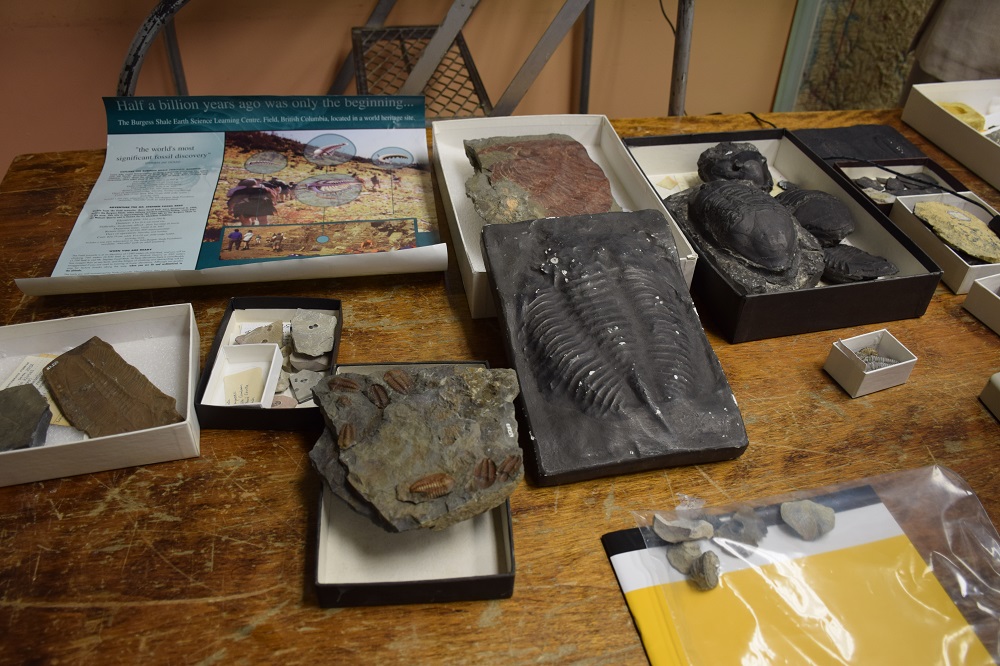
fossils from Invertebrate Paleontology fossils from Invertebrate Paleontology fossils from Invertebrate Paleontology

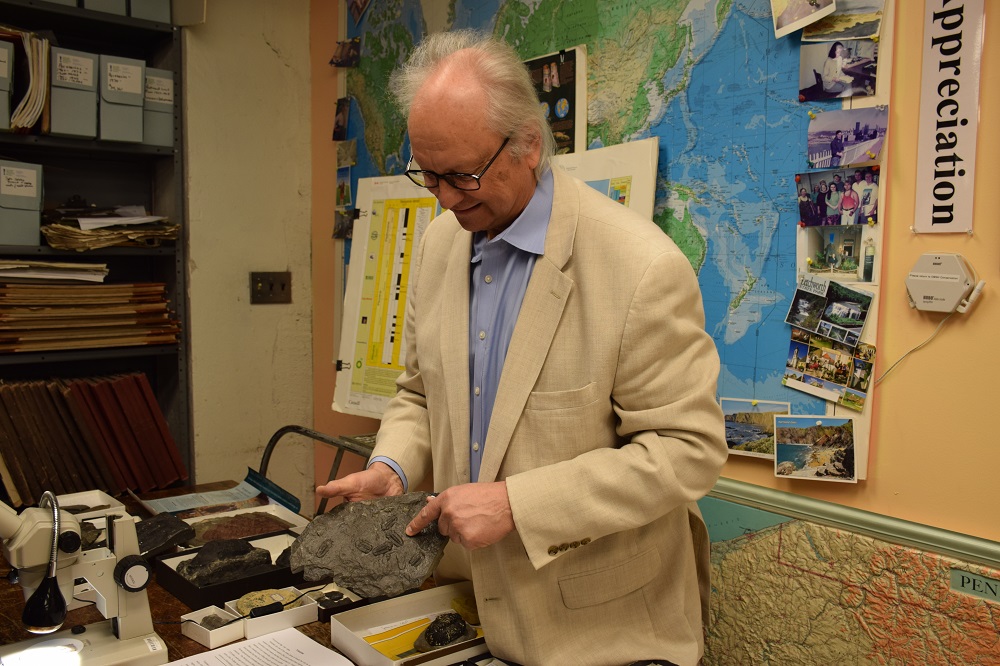
Students from Shady Side Academy Middle School studied our extensive fossil collection last week to learn about theories of climate, extinction, and evolution.

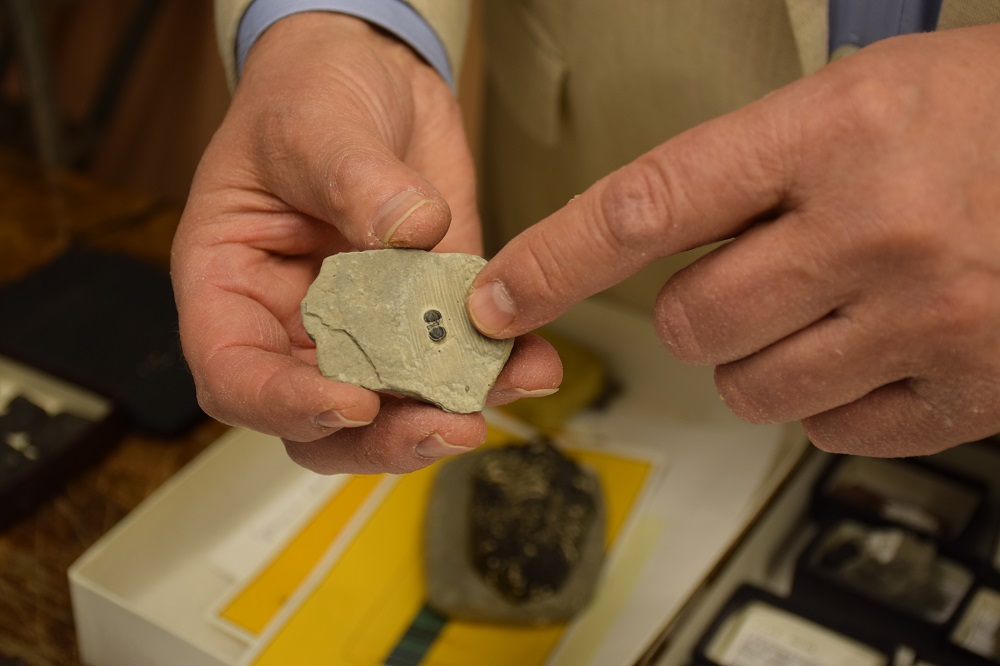
Albert Kollar, Section of Invertebrate Paleontology, used fossils from different periods of the Paleozoic era to show how trilobites changed and evolved over millions of years.

“Trilobites are popular with kids of any age and belong to a group of animals called arthropods
that include horseshoe crabs and insects,” said Mr. Kollar

The trilobites that the students touched and held come from the ancient rocks found today in the Czech Republic, France, Sweden, British Columbia, Missouri, New Mexico, New York, Utah, and Pennsylvania- the home of the 390 million year old state fossil of Pennsylvania.

Arriving at the Section of Invertebrate Paleontology lab, the students received a fossil coloring book to teach them about rocks and fossils in the Pittsburgh area. The class then split into smaller groups, each getting their own try at identifying rocks and fossils from Pennsylvania or making molds of different fossils from the collection with Plaster of Paris.
Filed Under: Blog Tagged With: Albert Kollar, climate change, fossils, invertebrate paleontology

March 13, 2016 by wpengine

Take a Tortoise for a Walk

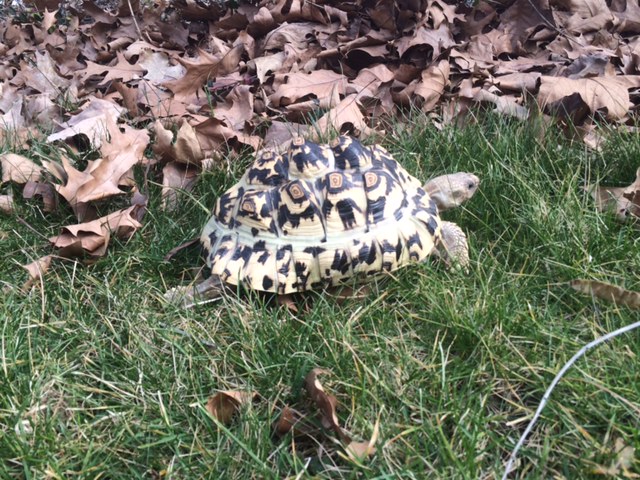
Betty the leopard tortoise
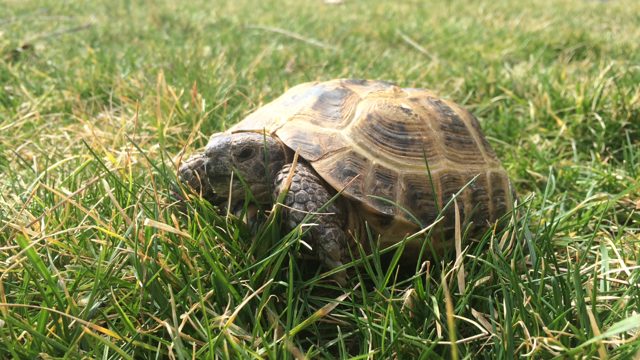
Natasha the Russian tortoise

By Mallory Vopal

On sunny days when the temperature breaks above 65 degrees, Carnegie Museum of Natural History’s animal caretakers can frequently be found behind the museum in a small swath of grass that leads to the nearby Schenley Park.  Why?  To walk our tortoises, of course!

It may seem like it’s just for fun (which it definitely is), but it’s also an activity that serves an important purpose to the tortoises: to provide enrichment.  We offer them the opportunity to give their little legs a stretch and catch some fresh air. Even though they are important animal ambassadors for our educational programming, they are first and foremost tortoises. We are committed to giving them as many opportunities as possible to bring out their natural behaviors.

In addition to giving them important mental stimulation, getting some sun is critically important for a tortoise because it helps them produce the vitamin D3, which is instrumental in allowing them to absorb calcium from their diets.  Even though we claim we do this all for the tortoises, I must admit that I don’t mind a walk, the fresh air, and sun sometimes, too!

Mallory Vopal is Gallery Experience Manager at Carnegie Museum of Natural History and also manages the Living Collection.  Her animal husbandry background includes reptiles, birds, amphibians, mammals, and invertebrates.

Filed Under: Blog

March 13, 2016 by wpengine

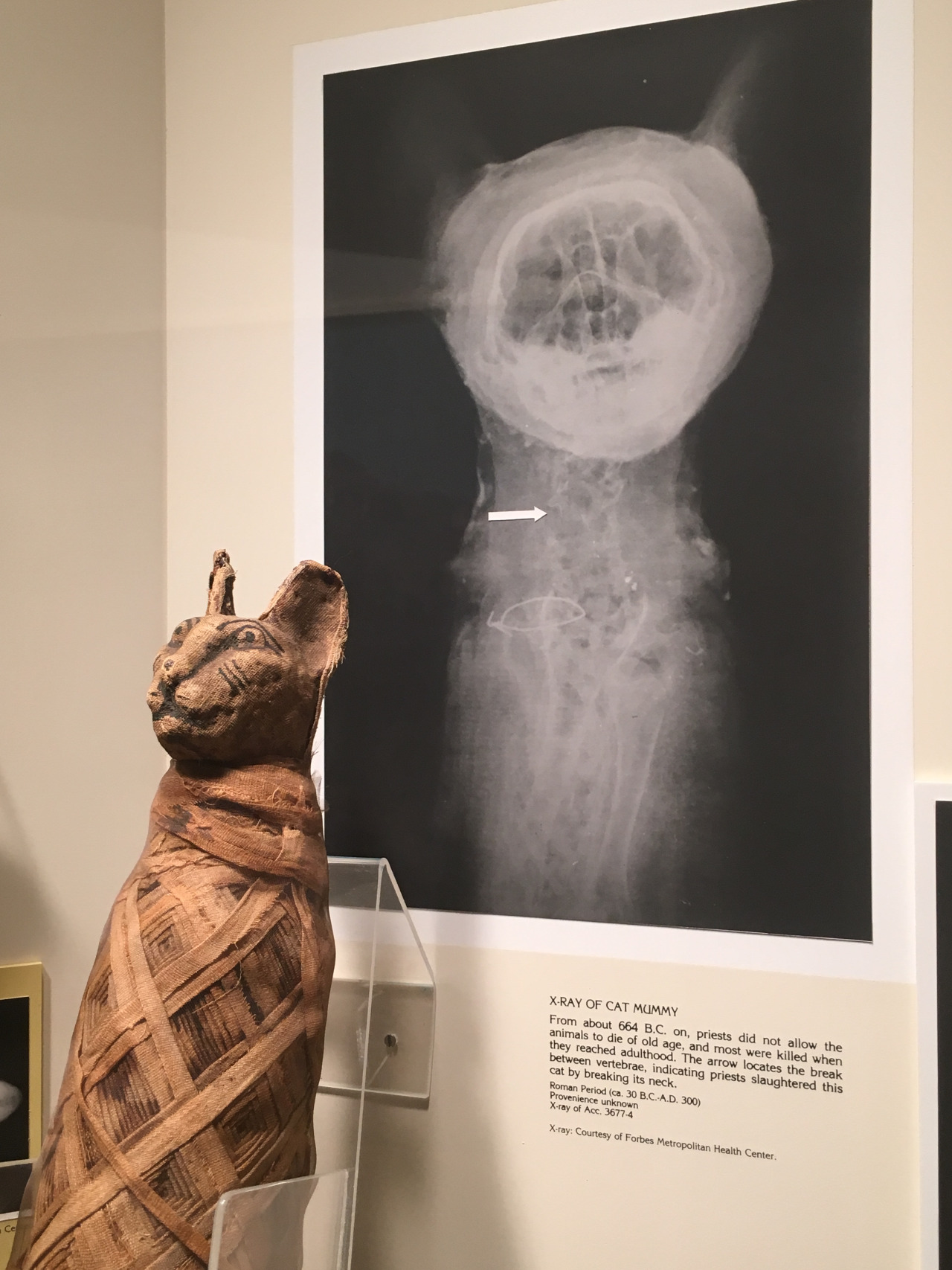
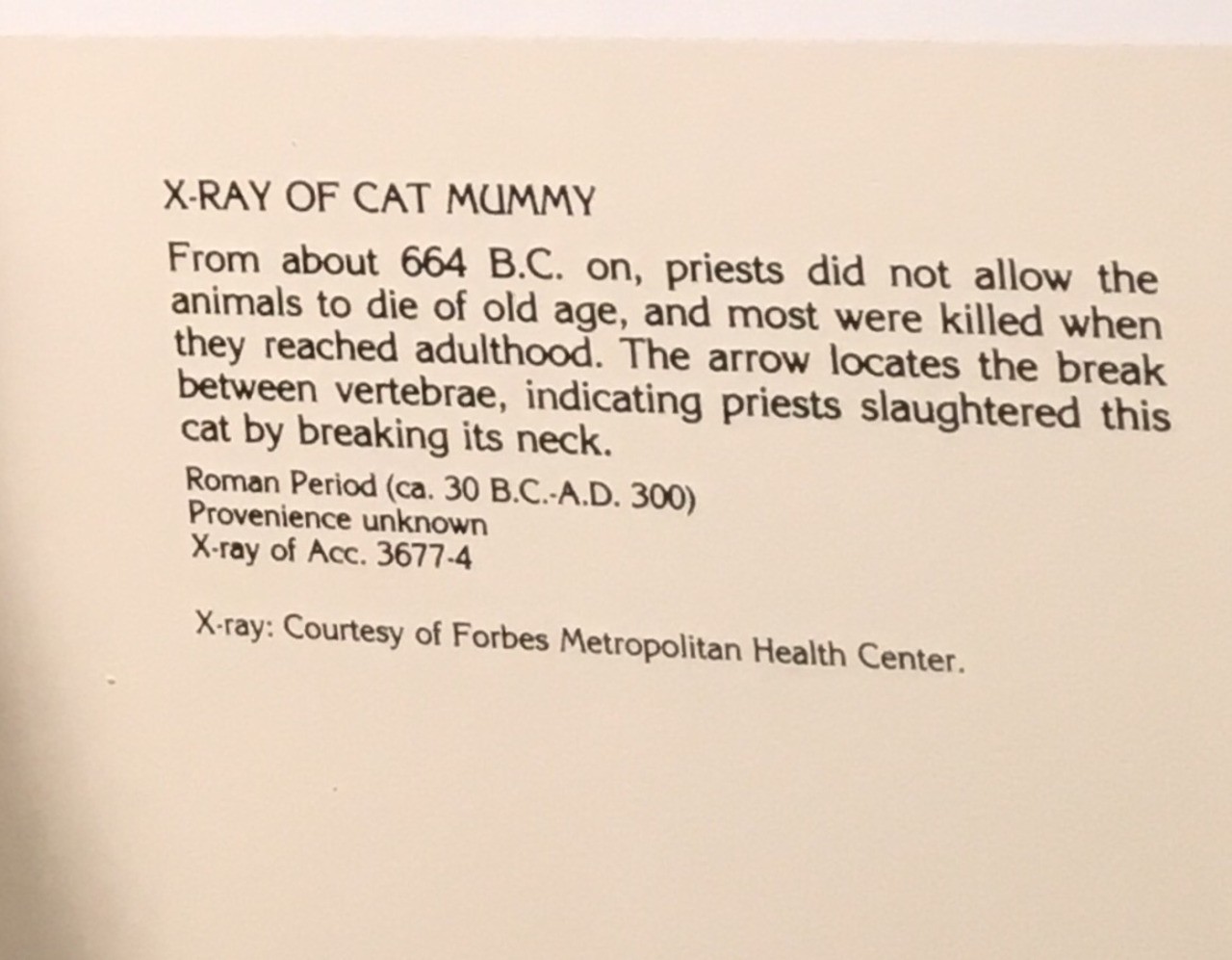
X-ray of a Cat Mummy

X-ray of a Cat MummyDescription Plaque for Cat Mummy and X-ray

Filed Under: Blog Tagged With: ancient egypt, anthropology, mummification, mummy, Walton Hall of Ancient Egypt

March 12, 2016 by wpengine

Color Returns

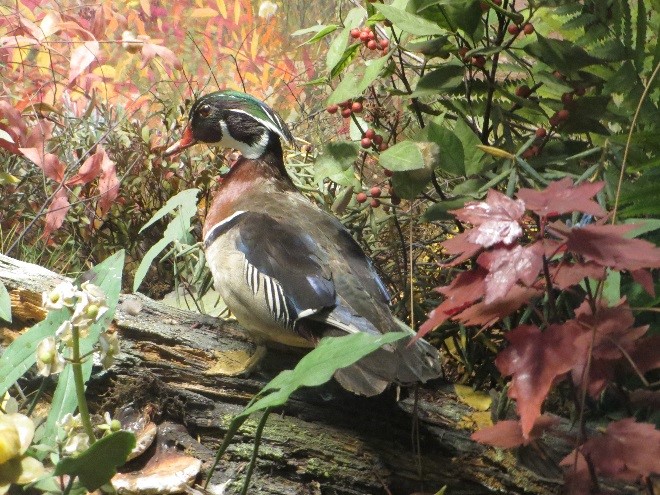
Wood Duck
By Patrick McShea

Within the Hall of Botany, a male wood duck’s beautiful plumage shares splendor with the fall foliage of a quaking bog in northwestern Pennsylvania.

At this time of year, as wood ducks begin to appear in wooded creek mouths along Pittsburgh’s rivers, bare branch canopies of sycamore and cottonwood trees offer little color competition.

The places where neighborhood streams surrender their flow to southwestern Pennsylvania’s big water are among the least accessible stretches of riverfront, so this early spring spectacle passes unnoticed by all but the most ardent river watchers.

Binoculars and a stealthy approach are both necessary to get a good look at these beautiful but wary birds. Because the banks of the Allegheny, Monongahela, and Ohio consistently document the variety of floatable
debris generated by our throwaway culture, river edge views of wood ducks are often aesthetically marred by the inclusion of tires, mud-stained blocks of Styrofoam, empty beer cans, and all kinds of plastic containers.

Patrick McShea works in the Education and Visitor Experience department of Carnegie Museum of Natural History. Museum employees are encouraged to blog about their unique experiences and knowledge gained from working at the museum. 

Filed Under: Blog Tagged With: bird hall, botany hall, Patrick McShea

March 11, 2016 by wpengine

Live from Antarctica!

Eric Dorfman and one of the many young aspiring paleontologists who attended
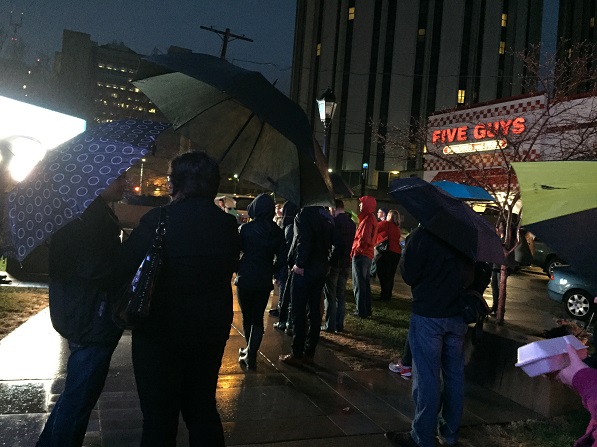
The crowd at Forbes Digital Plaza for Live from Antartica!
Dr. Matt Lamanna shows the audience a fossil of a clam from Antarctica
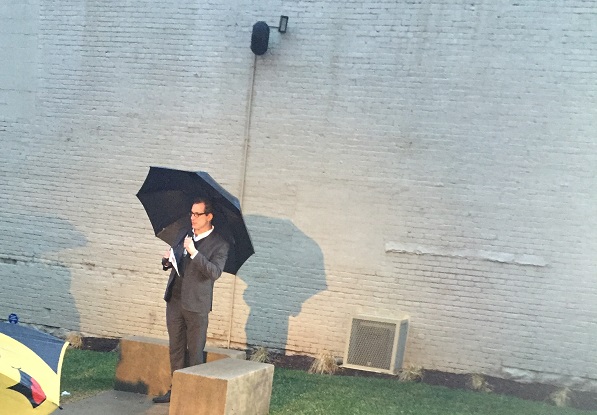
Carnegie Museum of Natural History Director Dr. Eric Dorfman
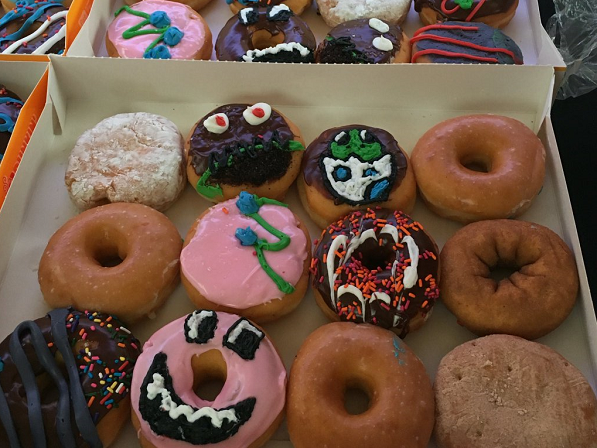
Dino treats provided by Dunkin' Donuts
Dino treats provided by Dunkin’ Donuts
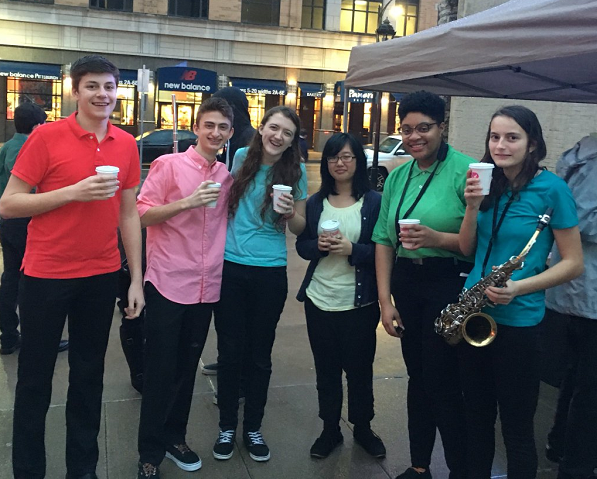
Members of Taylor Allderdice High School's band performed
Members of Taylor Allderdice High School’s band performed

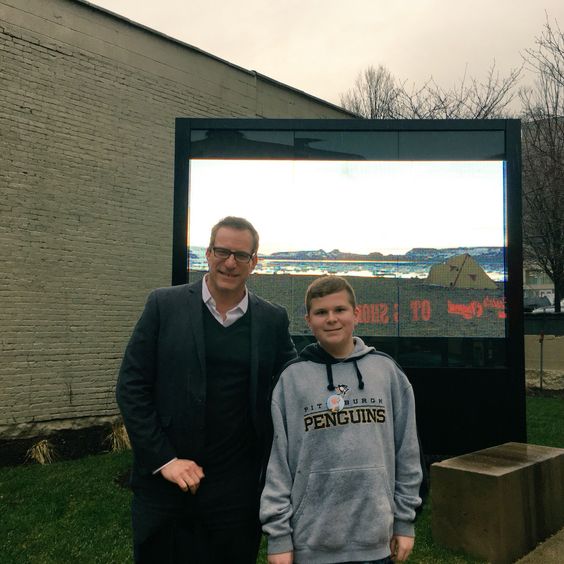
Undeterred by rain, about 65 people attended Live from Antarctica! to ask a paleontologist on the southernmost continent questions about his search for fossils.

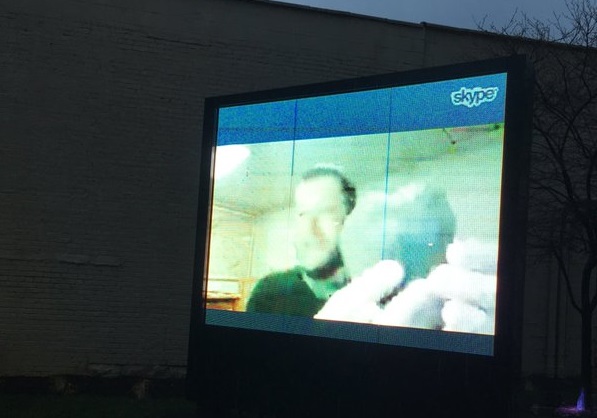
Using Skype and a large, high-definition digital screen, Dr. Matt Lamanna, Carnegie Museum of Natural History’s principal dinosaur researcher, answered questions from museum director, Dr. Eric Dorfman, and members of the audience on March 10 during the free community event at Forbes Digital Square in Oakland.

Along with a team of experts, Dr. LaManna is searching for fossils on the Antarctica Peninsula. He Skyped in from aboard the research vessel Nathaniel B. Palmer to talk about his work to answer questions about Antarctic weather, live animals he’s seen, fossils his team has found, and what he will bring back to our museum here in Pittsburgh.

Its summer in Antarctica, but Dr. Lamanna said weather has still been challenging with occasional snow, rain and fog. Interestingly, some of the fossils his expeditions have found have been of leaves, which he said indicate that the coldest continent was once covered in forests, much like Western Pennsylvania.

“It’s a great example of how environments can change over time,” Dr. Lamanna said. Because days and nights that far south are extended and shortened the changing seasons, he said there’s no contemporary equivalent of the ancient environment that existed there as the age of the dinosaurs ended.

“We’re unearthing an ancient ecosystem and bringing that ecosystem back to Pittsburgh,” he said.

Other fossils found include clams, fish, and even dinosaur bones. Dr. Lamanna said they’ll carefully pack and ship an estimated three to four tons of fossils back to Pittsburgh.

Visitors will be able to view many of the new specimens in the museum’s PaleoLab this summer.

Many thanks to Oakland Business Improvement District for helping put on the event, the Taylor Allderdice High School jazz band for a great performance, and Dunkin’ Donuts for passing out dino donuts.

Dr. Lamanna’s expedition ends next week, but you can see photos of his work, wildlife he’s seen and the stunning landscape of Antarctica by following the Carnegie Museum of Natural History on Instagram, Tumblr, Twitter and Facebook .

Filed Under: Blog Tagged With: antarctica, dinosaur, fossils, Matt Lamanna, Paleolab, paleontology

March 9, 2016 by wpengine

AP3 Antarctica Peninsula Paleontology Project 2016

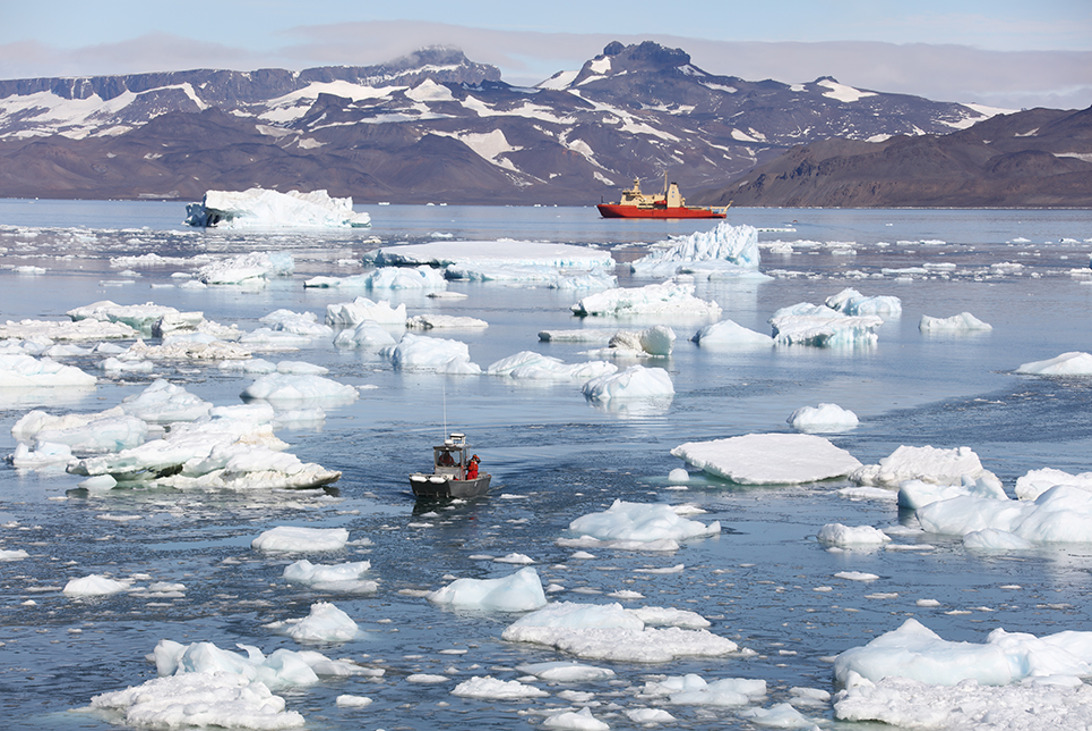
boats surrounded by chunks of ice

Q: What is the biggest anticipated challenge facing the expedition?

A: The thing that concerns us the most are the weather and climate conditions in our
study area. If it is very windy or foggy, our helicopters cannot fly.  If
there is fast ice stuck to the islands we want to visit, our small boats (i.e.,
landing craft) cannot reach them. If it snows, the rocks are covered, and so we
can’t find the fossils in them. Lots of different environmental factors could
pose problems for us. Other potential hazards include injuries, exhaustion,
frostbite, inability to find fossils in some places, and problems with
helicopters.

If you live in Pittsburgh, stop by tomorrow evening on 3/10/16 at 6 p.m. for Live from Antarctica at the corner of Forbes and South Bouquet in Oakland. You will be able to ask Dr. Matt Lamanna questions about his expedition from the field via a live video conference. Learn more at http://www.carnegiemnh.org/live_from_antarctica/

Filed Under: Blog Tagged With: antarctica, expedition, fossils, Matt Lamanna, research

  • « Go to Previous Page
  • Page 1
  • Interim pages omitted …
  • Page 200
  • Page 201
  • Page 202
  • Page 203
  • Page 204
  • Interim pages omitted …
  • Page 206
  • Go to Next Page »

sidebar

About

  • Mission & Commitments
  • Directors Team
  • Museum History

Get Involved

  • Volunteer
  • Membership
  • Carnegie Discoverers
  • Donate
  • Employment
  • Events

Bring a Group

  • Groups of 10 or More
  • Birthday Parties at the Museum
  • Field Trips

Powdermill

  • Powdermill Nature Reserve
  • Powdermill Field Trips
  • Powdermill Staff
  • Research at Powdermill

More Information

  • Image Permission Requests
  • Science Stories
  • Accessibility
  • Shopping Cart
  • Contact
  • Visitor Policies
One of the Four Carnegie Museums | © Carnegie Institute | Privacy Policy | Terms of Use | Accessibility
Rad works here logo