• Skip to primary navigation
  • Skip to main content
  • Skip to primary sidebar

Carnegie Museum of Natural History

One of the Four Carnegie Museums of Pittsburgh

  • Visit
    • Buy Tickets
    • Visitor Information
    • Exhibitions
    • Events
    • Dining at the Museum
    • Celebrate at the Museum
    • Powdermill Nature Reserve
    • Event Venue Rental
    • Gift Cards
  • Learn
    • Field Trips
    • Educator Information
    • Programs at the Museum
    • Bring the Museum to You
    • Guided Programs FAQ
    • Programs Online
    • Climate and Rural Systems Partnership
  • Research
    • Scientific Sections
    • Science Stories
    • Science Videos
    • Senior Science & Research Staff
    • Museum Library
    • Science Seminars
    • Scientific Publications
    • Specimen and Artifact Identification
  • About
    • Mission & Commitments
    • Directors Team
    • Museum History
  • Tickets
  • Give
  • Shop

Blogs about Birds

Birds are incredibly important to Carnegie Museum of Natural History. The museum's Section of Birds contains nearly 190,000 specimens of birds. The most important of these are the 555 holotypes and syntypes. The Section of Birds staff also cares for approximately 196 specimens of extinct birds as well as specimens of many rare species collected decades—if not more than a century—ago.

July 7, 2017 by wpengine

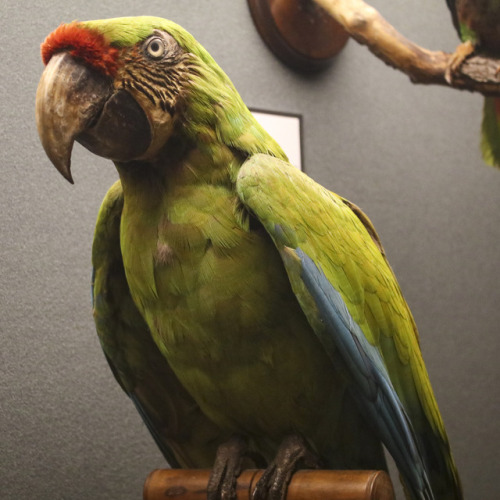
The great green macaw

great green macaw

The great green macaw, an inhabitant of tropical rainforests, is dependent upon certain species of old-growth trees for food and nest sites. Unfortunately, neotropical rainforests are being destroyed at an alarming rate. This taxidermy mount is on display in Carnegie Museum of Natural History.

(photo by Hayley Pontia)
Filed Under: Blog Tagged With: Birds

July 7, 2017 by wpengine

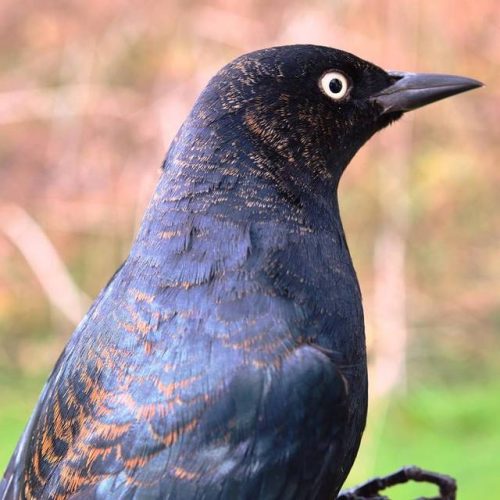
Adult male rusty blackbird

male rusty blackbird

This adult male rusty blackbird was banded March 29, 2017 at Powdermill Nature Reserve, Carnegie Museum of Natural History’s environmental research center.

Filed Under: Blog Tagged With: bird banding, Birds, Powdermill

May 2, 2017 by wpengine

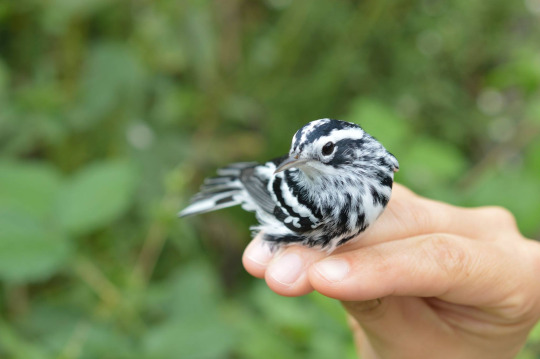
Black and White Warblers

Small bird, Black and White Warbler

Boldly striped Black and White Warblers (Mniotilta varia) are easily identified by their unique plumage. They often build their cup-shaped nests on the ground in eastern forests.Their song is sometimes described as sounding like a squeaking wheel. Unlike other warblers, they feed by creeping up and down trees searching for insects behind bark.

Filed Under: Blog Tagged With: Birds

April 27, 2017 by wpengine

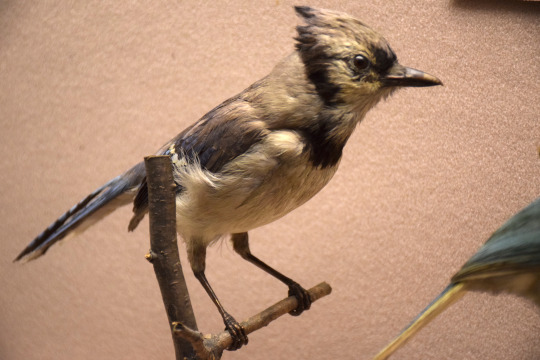
Blue Jays (Cyanocitta cristata)

Blue Jays (Cyanocitta cristata)

Known for their bright color and intelligence, Blue Jays (Cyanocitta cristata) are found near the edges of forests across the eastern United States. These birds are very social and are often found in small, noisy groups. Blue Jays often imitate other animals like hawks, cats, and even humans. Like any other blue bird, their bright color is caused by reflective structure of its feathers, not pigments.

Filed Under: Blog Tagged With: Birds

April 10, 2017 by wpengine

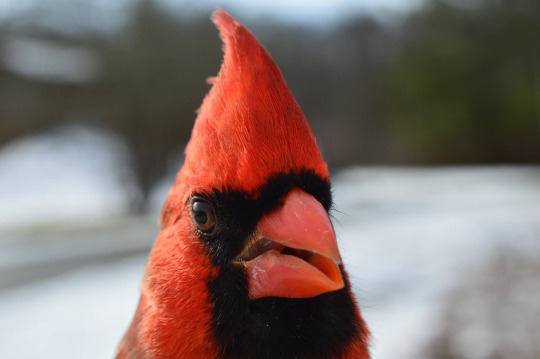
Who is that bird knocking at your window?

Male Northern Cardinal, a bright re d bird with black markings around its face

by Jonathan Rice

Many of us are excited that spring is just around the corner, and that includes the birds. As springtime comes into view, male birds, both residential and migratory, begin setting up and fighting over territories for the breeding season. This means males are more likely to call at and scold (an aggressive-natured call) other males of any species until they leave the territory.

This poses interesting problems for song birds, such as northern cardinals whose breeding plumage is bright red and can
often be reflected in windows (on cars or homes) and even side view mirrors. There have been reports of northern cardinal males flying into windows or side view mirrors over and over and over again, multiple times a day.

This may seem confusing and counterproductive to us, but to an enraged male, seeing another male in his territory can mean the end to his breeding season. So he fights the intruder—who is actually his reflection—but as he fights, his reflection fights back. This often causes a loop to form where the male fights his reflection, getting angrier as the reflected intruder never leaves.

While this sort of behavior does not normally end in fatality, it is a good representation of how windows can be deadly to birds. If a reflection is real enough to confuse a cardinal into attacking itself, other birds are likely to fly into windows thinking that vegetation or sky reflected in them are real.


Jon Rice is a seasonal tech at Carnegie Museum of Natural History. Museum employees are encouraged to blog about their unique experiences of working at the museum.

Filed Under: Blog Tagged With: Birds

February 22, 2017 by wpengine

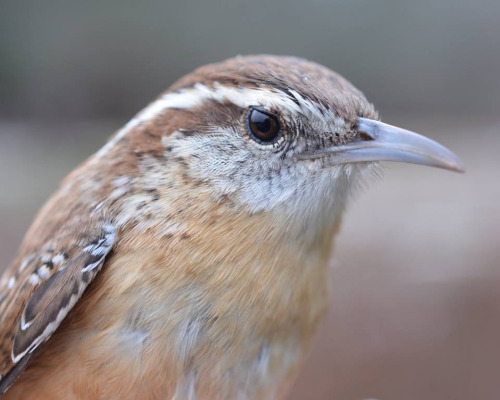
Carolina Wren

Brown and tan Carolina Wren bird
Researchers banded this Carolina Wren in February at Powdermill Nature Reserve.

Filed Under: Blog Tagged With: bird banding, Birds, Powdermill, Powdermill Nature Reserve

  • « Go to Previous Page
  • Page 1
  • Interim pages omitted …
  • Page 15
  • Page 16
  • Page 17
  • Page 18
  • Page 19
  • Page 20
  • Go to Next Page »

sidebar

About

  • Mission & Commitments
  • Directors Team
  • Museum History

Get Involved

  • Volunteer
  • Membership
  • Carnegie Discoverers
  • Donate
  • Employment
  • Events

Bring a Group

  • Groups of 10 or More
  • Birthday Parties at the Museum
  • Field Trips

Powdermill

  • Powdermill Nature Reserve
  • Powdermill Field Trips
  • Powdermill Staff
  • Research at Powdermill

More Information

  • Image Permission Requests
  • Science Stories
  • Accessibility
  • Shopping Cart
  • Contact
  • Visitor Policies
Stay in the loop! Sign up for our newsletter(s).
One of the Four Carnegie Museums | © Carnegie Institute | Privacy Policy | Terms of Use | Accessibility
Rad works here logo