• Skip to primary navigation
  • Skip to main content
  • Skip to primary sidebar

Carnegie Museum of Natural History

One of the Four Carnegie Museums of Pittsburgh

  • Visit
    • Buy Tickets
    • Visitor Information
    • Exhibitions
    • Events
    • Dining at the Museum
    • Celebrate at the Museum
    • Powdermill Nature Reserve
    • Event Venue Rental
    • Gift Cards
  • Learn
    • Field Trips
    • Educator Information
    • Programs at the Museum
    • Bring the Museum to You
    • Guided Programs FAQ
    • Programs Online
    • Climate and Rural Systems Partnership
  • Research
    • Scientific Sections
    • Science Stories
    • Science Videos
    • Senior Science & Research Staff
    • Museum Library
    • Science Seminars
    • Scientific Publications
    • Specimen and Artifact Identification
  • About
    • Mission & Commitments
    • Directors Team
    • Museum History
  • Tickets
  • Give
  • Shop

Blogs about Pittsburgh

Carnegie Museum of Natural History is in Pittsburgh, Pennsylvania. Many of the museum's collection specimens are from the local area, including our Botany, Invertebrate Paleontology, and Herpetology specimens. Our collections and our community often influence our work, whether that includes researching climate change, air pollution improvements from the closing of steel mills in the city, or invasive species.

August 31, 2016 by wpengine

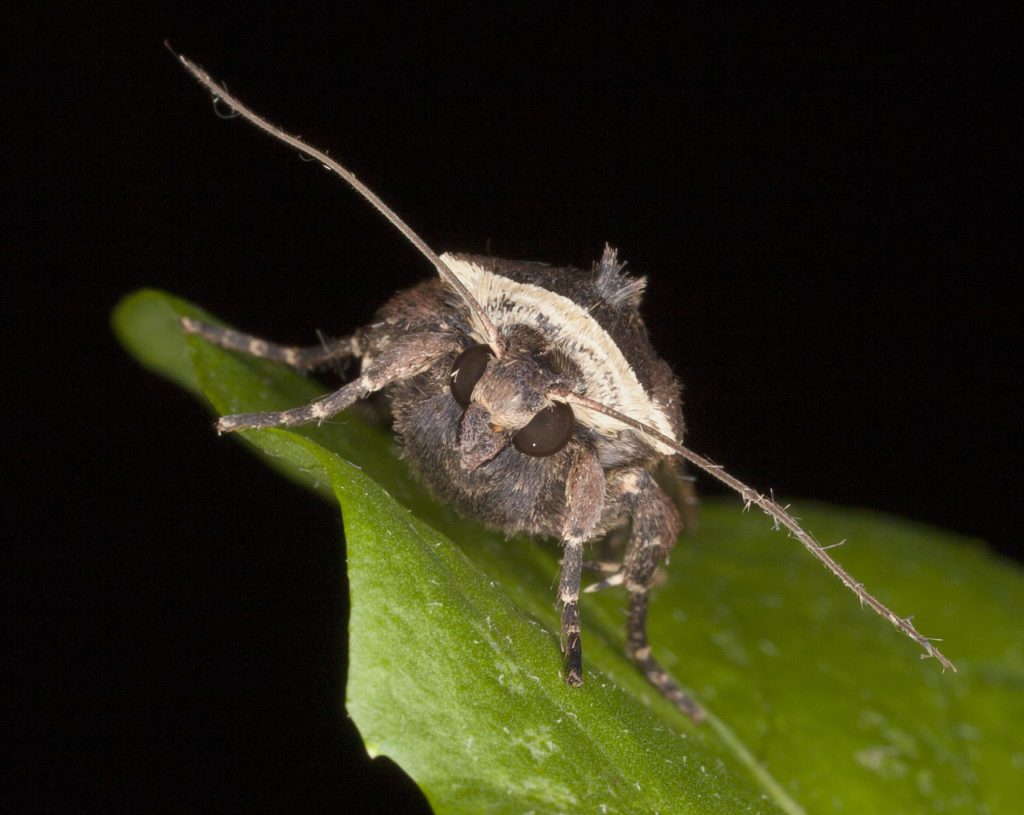
Greater Black-letter Dart Moth

moth face on

by Vanessa Verdecia 

Our Section of Invertebrate Zoology had another species of moths eclose this month. These images show the last instar caterpillar, the pupa, and two images of the adult.  We reared these caterpillars that hatched from eggs laid by a female moth caught in Ohio, but this species also occurs here in Pennsylvania.

Common name: Greater Black-letter Dart Moth
Scientific name: Xestia dolosa, in the family Noctuidae
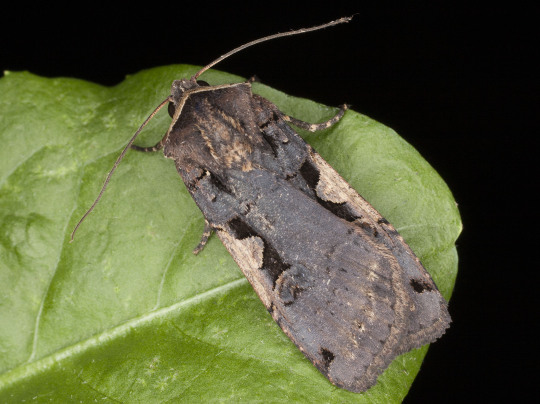
moth top down

Vanessa Verdecia is a collection assistant in the museum’s Invertebrate Zoology Section. Museum employees are encouraged to blog about their unique experiences and knowledge gained from working at the museum.
Filed Under: Blog Tagged With: Invertebrate Zoology, moths, Pittsburgh, zoology

August 29, 2016 by wpengine

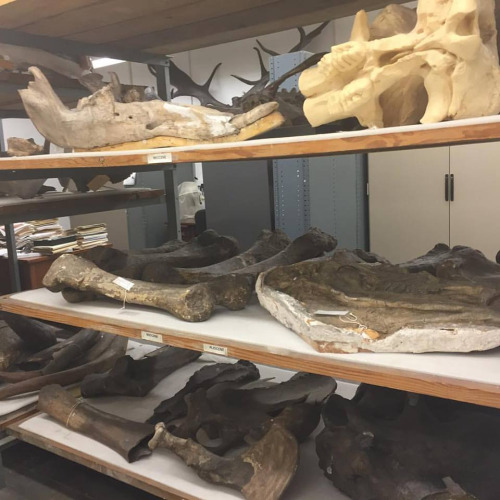
Bones in the Basement

Bones on a shelf

by Hayley Pontia
If you thought there were a lot of bones on display in the Carnegie Museum of Natural History, think again. Many of the 22 million objects and scientific specimens in the museum’s collection are kept in storage and used for scientific research.

Amy Henrici, Collection Manager for Vertebrate Paleontology, manages the Vertebrate Paleontology collection, which houses fossils that span through 465 million years of prehistoric history. It is the fourth largest collection in the country and includes 79,464 catalogued specimens: 80 percent are mammals, 11 percent fish, 5 percent reptiles (including 690 dinosaur fossils), 3 percent amphibians, and .5 percent birds.

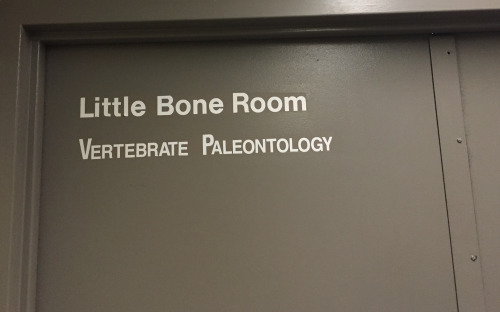
Most of the dinosaur specimens are archived in the Big Bone Room and the Little Bone Room. Contrary to popular belief, the description of these rooms is in relation to the space available, not the size of the bones.

Little bone room door


Hayley Pontia is the marketing assistant at Carnegie Museum of Natural History and a student at the University of Pittsburgh. Museum employees are encouraged to blog about their unique experiences of working at the museum.

Filed Under: Blog Tagged With: Amy Henrici, behind the scenes, fossils, museums, paleontology, Pittsburgh

August 26, 2016 by wpengine

Pholidophorus macrocephalus

Pholidophorus macrocephalus fossil

Pholidophorus macrocephalus is a bony fish that lived about 150 million years ago in the late Jurassic Period of the Mesozoic Era.

Filed Under: Blog Tagged With: fish, fossils, museums, Pittsburgh

August 24, 2016 by wpengine

Reclaiming Nature

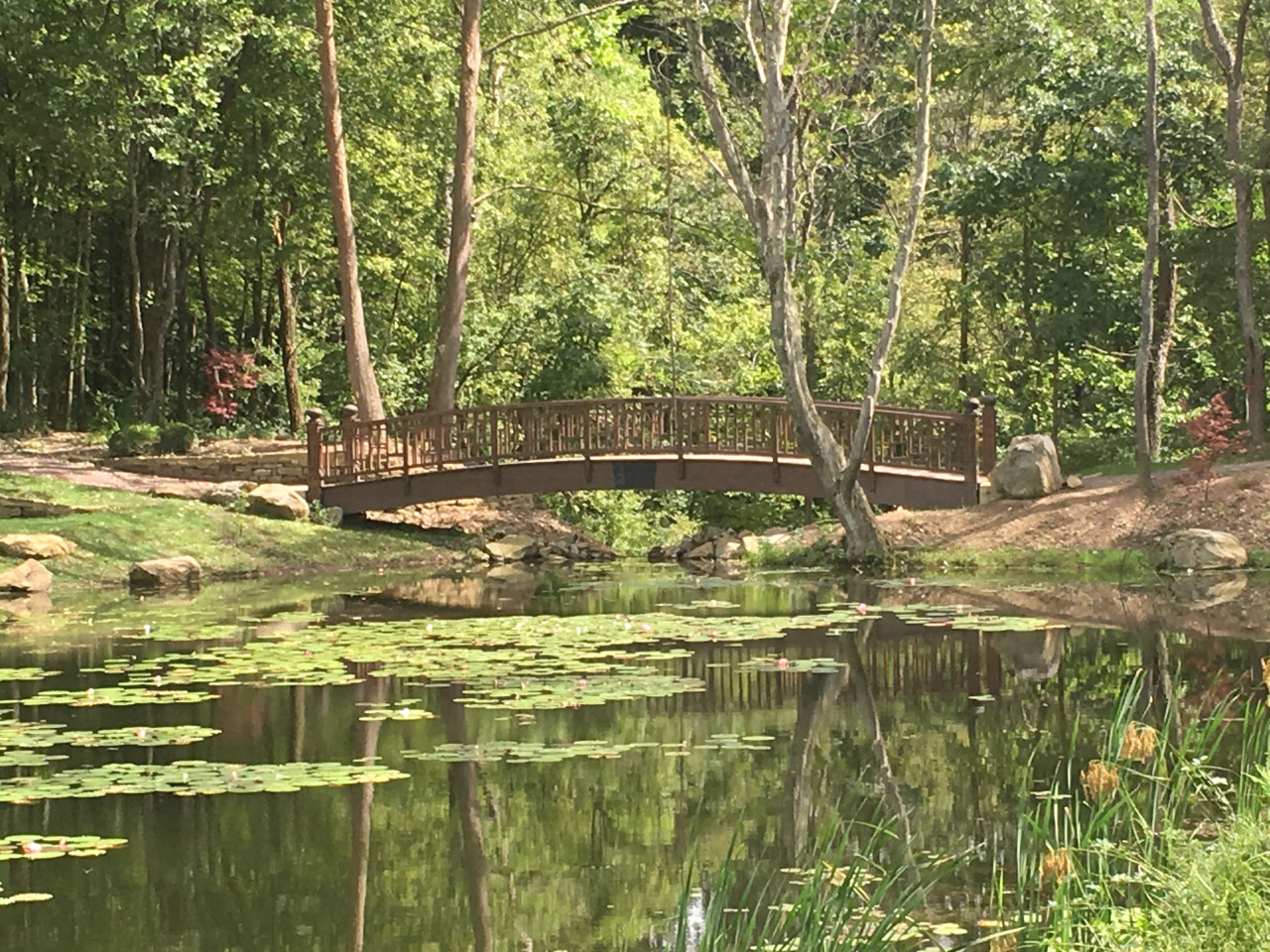
Bridge over lotus pond
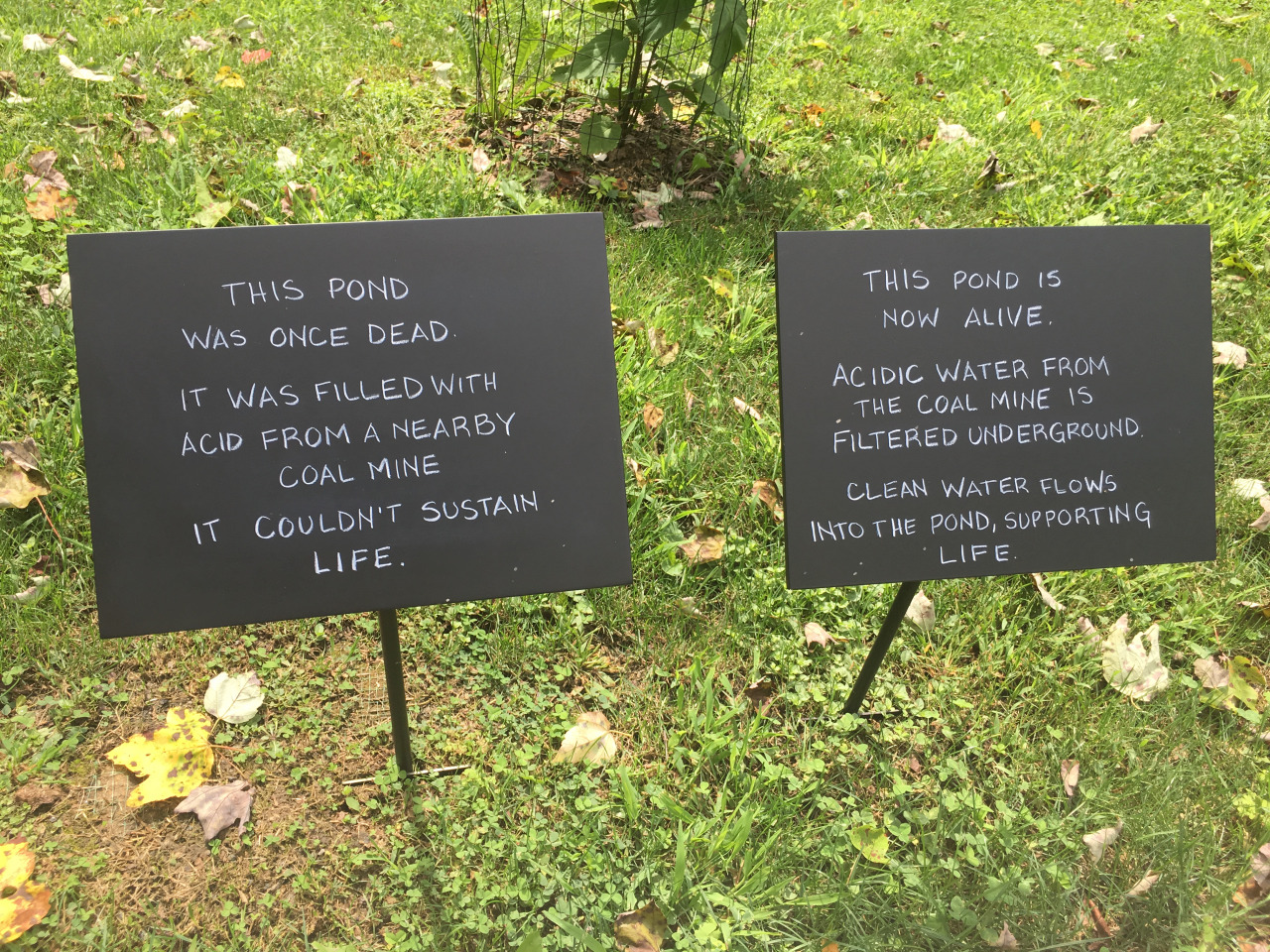
A once dead pond is now alive
Storytime on a toad stool
Human sized bird's nest
Human sized bird’s nest
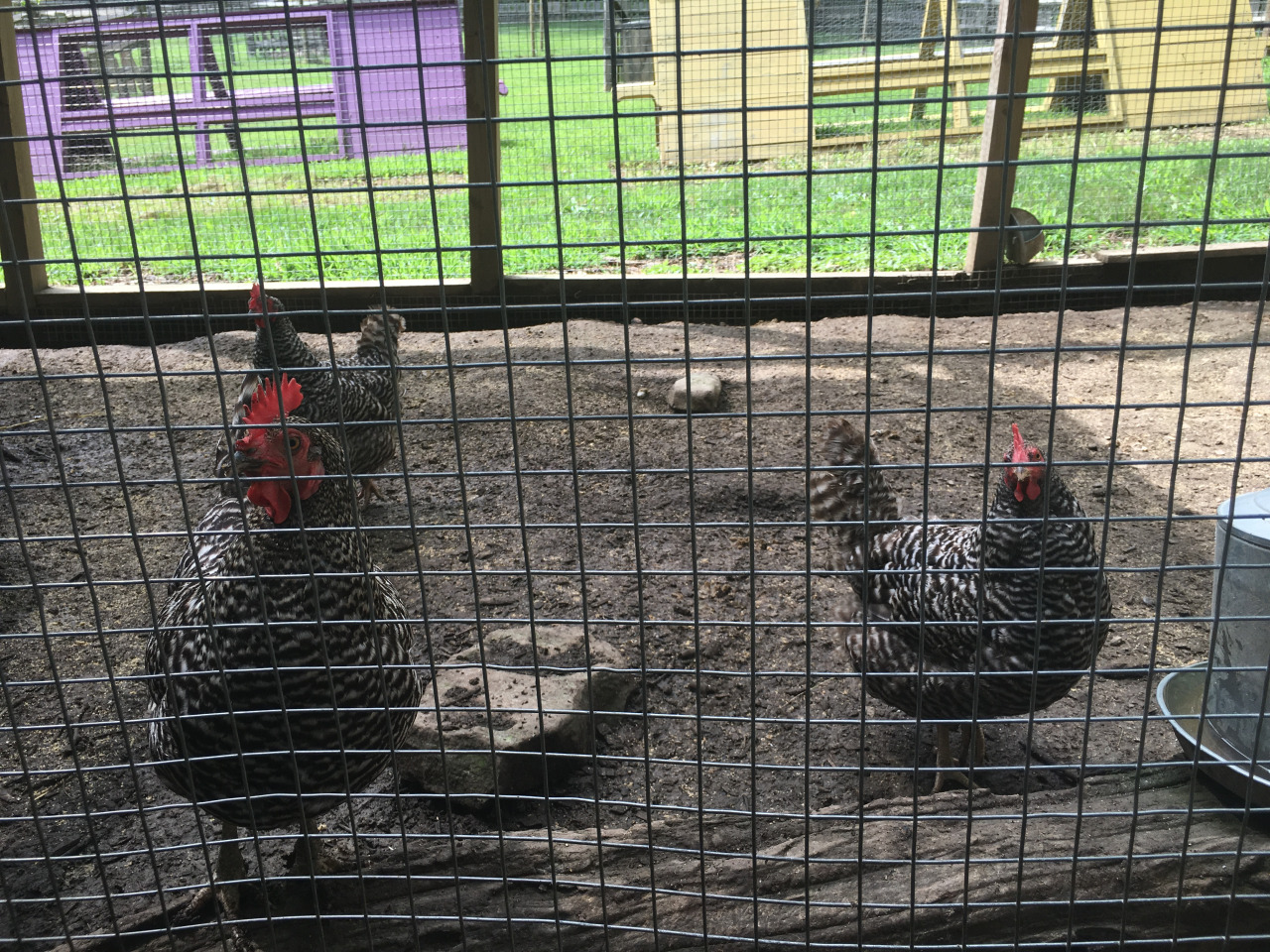
three chickens in a cage
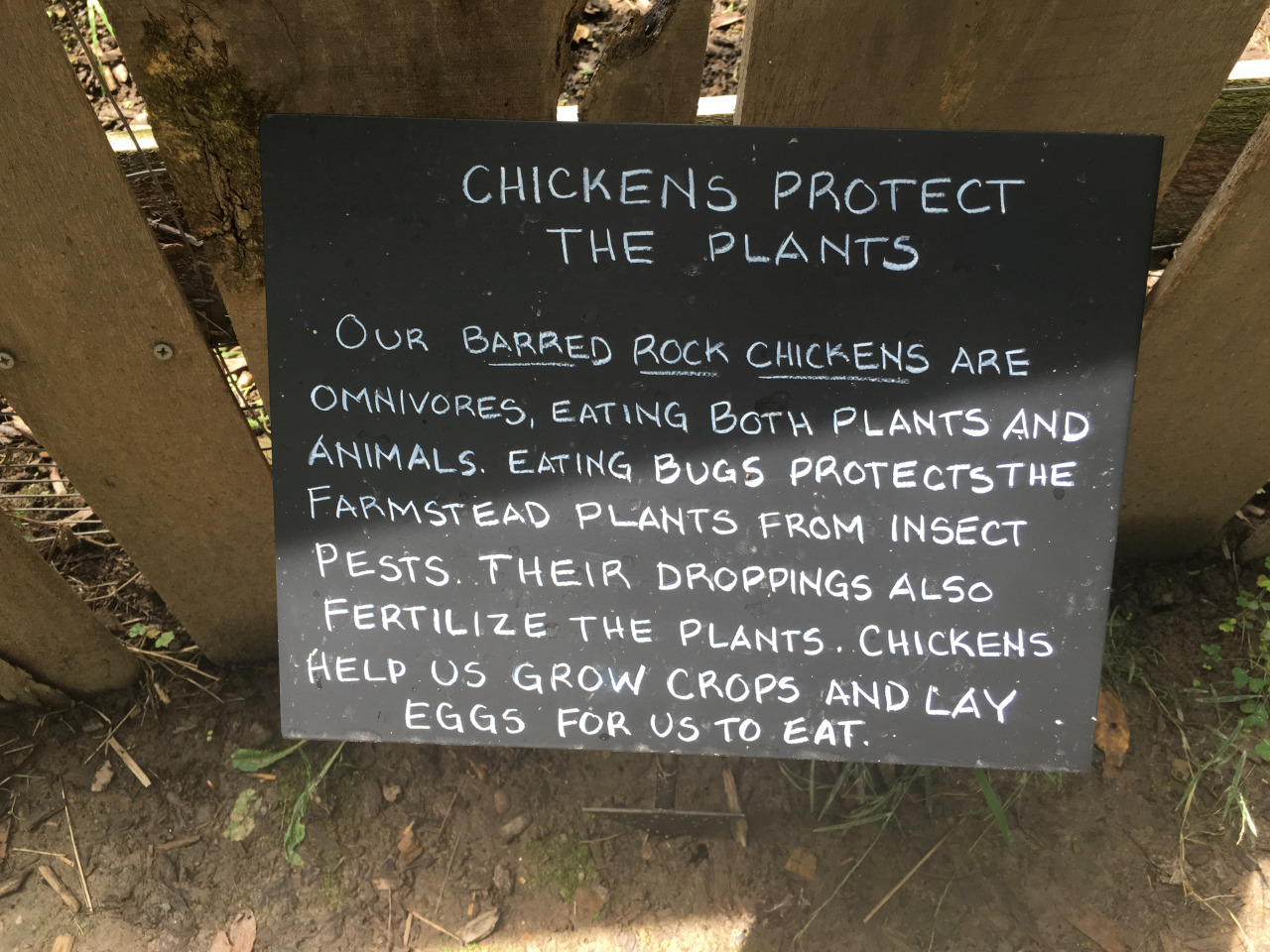
Chickens protect the plants

sign explaining that chickens eat both bugs and plants

by Kathleen Bodenlos

Pittsburgh has a reputation for transforming itself. Once a grimy industrialized city, we have become a network of neighborhoods with green spaces, bike trails, culturally rich attractions, and a thriving economy. The Pittsburgh Botanic Garden mirrors our transformation story.

Reclaiming land from Pittsburgh’s industrial past, they transformed land and ponds into an artistic nature experience. Acres that were once farmed, logged and mined have been reinvented and now offer hiking trails, flowers, and surprising works of art. A Monet worthy pond that was once filled with acid is now alive with lotus. Barred Rock Chickens protect the plants through their natural diet of insects and also help to fertilize the crops.

The gardens offer plenty of surprises for kids from a giant bird nest that could fit a large human family to an enchanted area for reading time complete with toadstools on which to perch.

With 460 acres left to steward, it seems this impressive example of reclamation has only just begun.


Kathleen Bodenlos is the Director of Marketing at Carnegie Museum of Natural History. Passionate about nature, art, and travel she enjoys visiting other organizations with a similar focus on conservation and education.

Filed Under: Blog Tagged With: biodiversity, conservation, nature, Pittsburgh

August 22, 2016 by wpengine

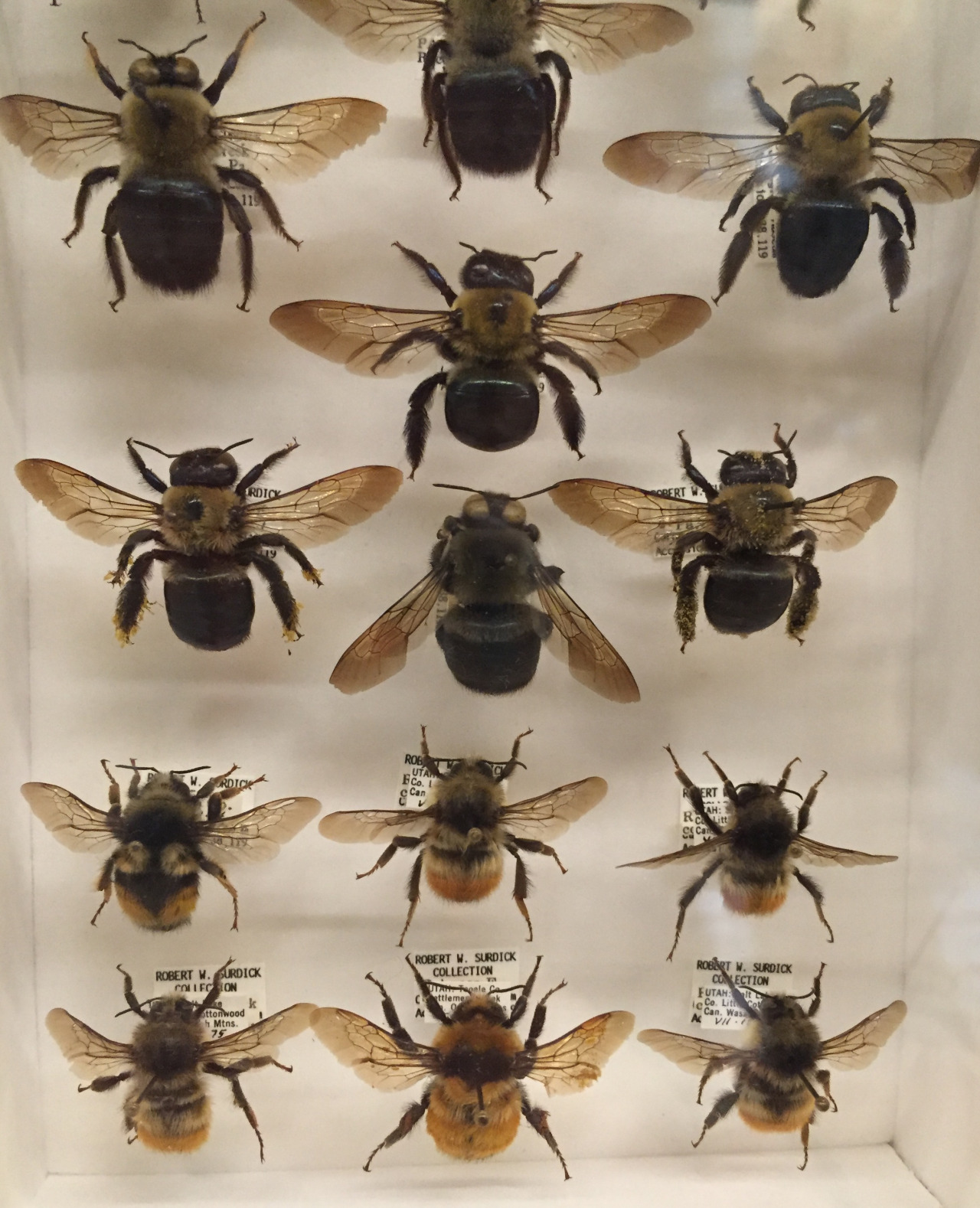
These specimens on display at Carnegie Museum of Natural History

display of bumblebees

These specimens on display at Carnegie Museum of Natural History in Pittsburgh were not collected by museum scientists.

Local insect entusiasts Robert and Tressa Surdick who lived in Bethel Park, a suburb of Pittsburgh, spent their lives collecting insects from all over Western Pennsylvania. Bob visited the museum as a teen to examine the entomology collections.

When Bob passed away in 2012, he donated his collection of more than 100,000 beautifully prepared insects, including the bumblebees shown above.

A portion of his collection is now displayed near the landing of the Grand Staircase, where it catches the attention of young bug lovers each day.

Filed Under: Blog Tagged With: bees, bugs, insects, Pittsburgh

August 20, 2016 by wpengine

Young Green Heron

A young green heron

A young green heron banded at Powdermill Nature Reserve, the environmental research center of Carnegie Museum of Natural History.

Filed Under: Blog Tagged With: bird banding, Birds, nature, Pittsburgh, Powdermill

  • « Go to Previous Page
  • Page 1
  • Interim pages omitted …
  • Page 7
  • Page 8
  • Page 9
  • Page 10
  • Page 11
  • Interim pages omitted …
  • Page 18
  • Go to Next Page »

sidebar

About

  • Mission & Commitments
  • Directors Team
  • Museum History

Get Involved

  • Volunteer
  • Membership
  • Carnegie Discoverers
  • Donate
  • Employment
  • Events

Bring a Group

  • Groups of 10 or More
  • Birthday Parties at the Museum
  • Field Trips

Powdermill

  • Powdermill Nature Reserve
  • Powdermill Field Trips
  • Powdermill Staff
  • Research at Powdermill

More Information

  • Image Permission Requests
  • Science Stories
  • Accessibility
  • Shopping Cart
  • Contact
  • Visitor Policies
Stay in the loop! Sign up for our newsletter(s).
One of the Four Carnegie Museums | © Carnegie Institute | Privacy Policy | Terms of Use | Accessibility
Rad works here logo