• Skip to primary navigation
  • Skip to main content
  • Skip to primary sidebar

Carnegie Museum of Natural History

One of the Four Carnegie Museums of Pittsburgh

  • Visit
    • Buy Tickets
    • Visitor Information
    • Exhibitions
    • Events
    • Dining at the Museum
    • Celebrate at the Museum
    • Powdermill Nature Reserve
    • Event Venue Rental
    • Gift Cards
  • Learn
    • Field Trips
    • Educator Information
    • Programs at the Museum
    • Bring the Museum to You
    • Guided Programs FAQ
    • Programs Online
    • Climate and Rural Systems Partnership
  • Research
    • Scientific Sections
    • Science Stories
    • Science Videos
    • Senior Science & Research Staff
    • Museum Library
    • Science Seminars
    • Scientific Publications
    • Specimen and Artifact Identification
  • About
    • Mission & Commitments
    • Directors Team
    • Museum History
  • Tickets
  • Give
  • Shop

Blogs from our Scientific Researchers

Carnegie Museum of Natural History is home to active research and vast scientific collections. Our scientific researchers regularly contribute to the blog at the museum.

September 24, 2021 by wpengine

What Do Botanists Do On Saturday?

by Sarah C. Williams

Here in the section of Botany we’ve adapted in some strange ways, just like plants do, to the changes of the past year and a half. Let’s learn about the off days of some of our Super Scientists in the Section of Botany!

Mason Heberling, Assistant Curator of Botany

Collecting specimens has become a focus as more time was able to be spent in the field when we weren’t allowed to be at the museum. As our new Botany Hall entrance video shows, Assistant Curator of Botany, Mason Heberling and Collections Manager Bonnie Isaac collect plant specimens on a pretty regular basis. They also snag iNaturalist observations for these plants, taking photos that show what the plant and habitat looked before being picked and pressed.

Mason studies forest understory plants, in particular, introduced species and wildflowers in our changing environment. Mason has a bunch of fun projects going on this summer, ranging from coordinating seed collections of an uncommon native grass to send to Germany for a large greenhouse study to working with a team of students to study the effects of climate change and introduced shrubs on our forest wildflowers.

In addition to work in the field, the herbarium has been a busy place this summer too! Mason has been working with Alyssa McCormick, an undergraduate research intern from Chatham University, to examine stomata (the pores on leaves for air exchange for plants to “breathe”) and leaf nutrients in everyone’s favorite plant – poison ivy!  Poison ivy has been previously shown to grow bigger and cause nastier skin rashes with increasing carbon dioxide in our air due to fossil fuel emissions. Alyssa is using specimens collected as long ago as the 1800s to examine long term changes in poison ivy.
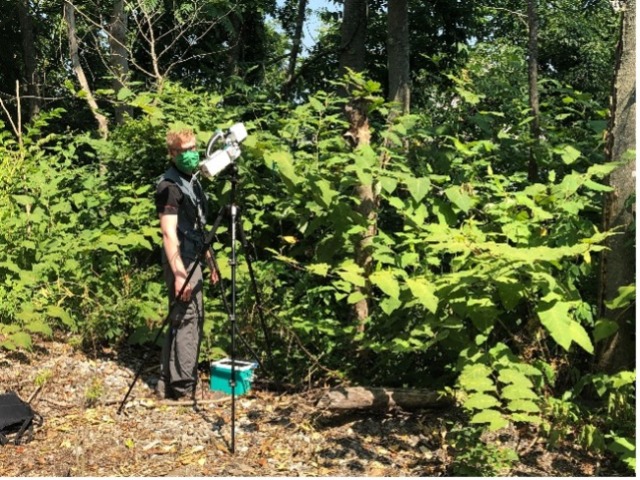
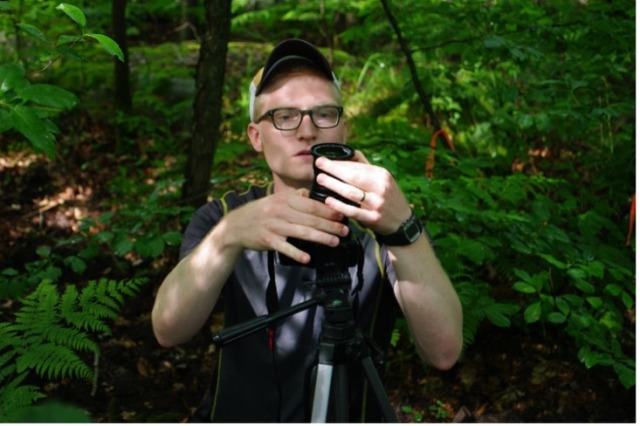
Man outside in a forested area
Man setting up equipment in a forested area

Mason, where can we find you on a Saturday?

“This summer has been a lot of going to various places around western PA like Presque Isle or Idlewild to get out and enjoy the fresh air with my family. I can also be found most Saturdays around the house doing chores!”

Bonnie Isaac, Collection Manager

Bonnie, one of CMNH’s TikTok celebrities, and All-Star in the Mid-Atlantic plant world, has spent a lot of the past year doing fieldwork. Her PA Wild Resource Grant involved looking at most of the populations for 10 Pennsylvania rare species. She and husband Joe Isaac spent many days on the road and a few in the bog! You can see some of her videos about these unique Pennsylvania finds on Carnegie Museum of Natural History’s Tiktok account: @carnegiemnh.

She diligently keeps track of various data points from latitude and longitude and elevation, to flower color, size, and associated species within a habitat. In addition to trying to make sure the plant names in our database are correct, she has also been busy georeferencing some of our specimens so that we can see on a map where each one was collected.
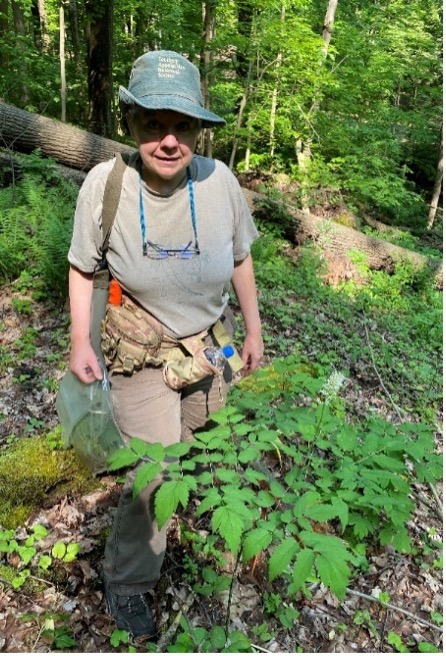
Woman walking in the woods
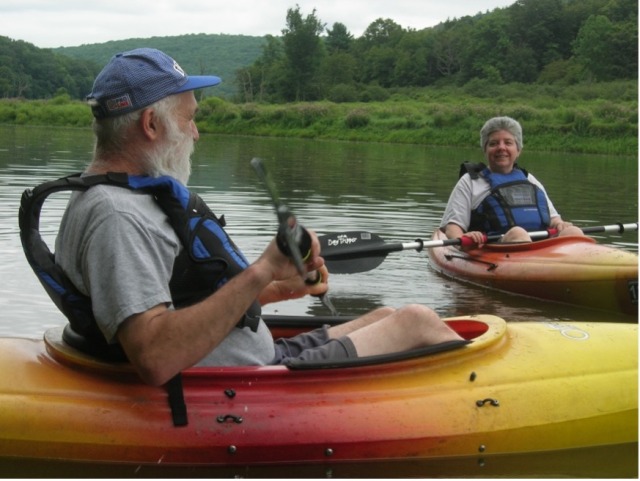
Two people in kayaks on the water

Bonnie, where can we find you on a Saturday?

“On most Saturdays I am either home taking care of my many chickens or getting some exercise in one of my kayaks with my spousal unit, Joe. I sometime even take a fishing pole for a ride or see how many different kinds of plants I can find on a hike. As long as I can get outside with Joe, I’m happy.”

Cynthia Pagesh, Herbarium Assistant

Specimens make their way home to the museum, where we assure they’re bone dry, flat as a pancake, and have been frozen twice to get rid of any pests. They then find their way into the nimble hands of Cynthia Pagesh, our resident plant mounter. Cynthia has luckily been able to do some mounting both onsite and at home over this past year, really honing her craft. She uses Elmer’s glue, dental and sculpture tools, linen tape, and a paintbrush akin to a magic wand: transforming roots, stems, flowers, and fruits into scientific and artistic renderings on an 11.5×16.5” archival herbarium sheet.

Mounting can be very detailed and challenging: wrangling a dry and brittle rare plant you want to salvage every detail from, or an oversized leaf ‘how-will-this-all-fit?’ ordeal, or finessing a delicate petal that glue is especially heavy on. Bulky bits, crumbly bits, spiky no nos: Cyn handles them all. Her work is just as much an art as it is a science. When she’s not making masterpieces, she’s probably doing something with plants.
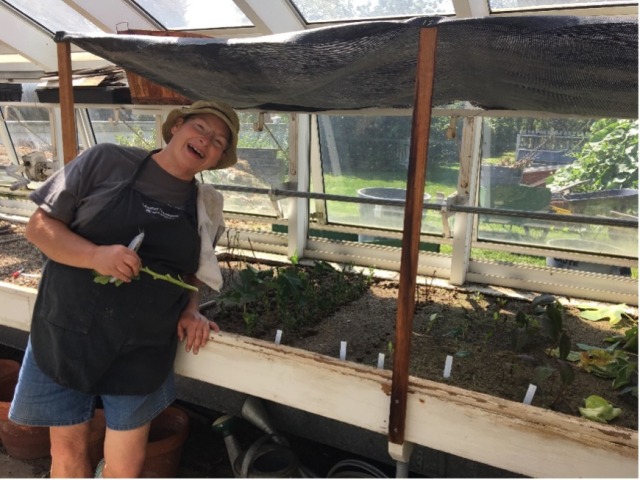
Person in a greenhouse
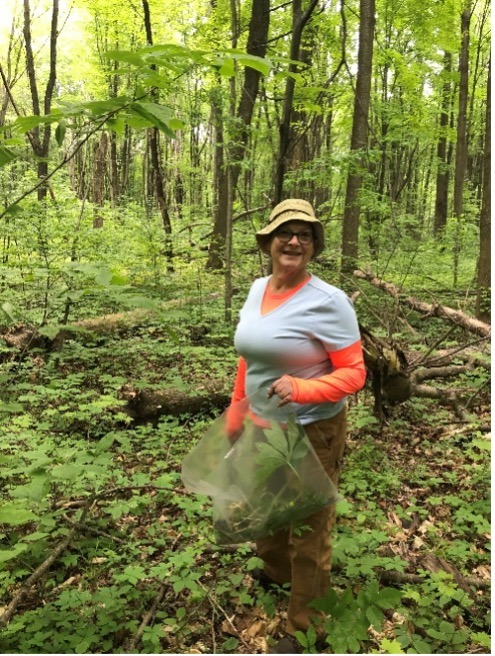
Person in the woods

Cyn, where can we find you on a Saturday?

“You can find me on Saturdays helping prune young trees in my community, collecting wildflower seeds or in my kitchen making preserves or homemade pasta noodles.  I volunteer in vegetable, herb and flower gardens.  I have a pollinator garden at home and raise Monarch caterpillars.  I tag and release them to migrate south.

There are lots of Community Science projects for people of all ages: ask someone to help you find one related to a subject you have an interest in.  I have an interest in pollinators including bees.  I participate in a Community Science Project every Summer that counts types of bees on certain plants when they bloom.”

Iliana DiNicola

After another stint in the freezer for bugs-be-gone, it’s everyone’s favorite day: Picture Day! Each plant: sturdy and mounted, all data logged and super official, makes their way to the imaging station to spend some time under the bright lights. Since 2018, students, interns, and volunteers have lovingly held these plants’ hands as they get their close ups. We take high definition photos using a specially made lightbox and special software.

While this is part of a limited project, called the Mid-Atlantic Megalopolis, we are still hard at work going into our last year of the time we were given. This past schoolyear and summer, former Pitt student, Iliana DiNicola was taking pictures for us on the regular while also interning with the Pittsburgh Parks Conservancy. She just graduated and I’m excited to hear what she does on her Saturdays in the future.
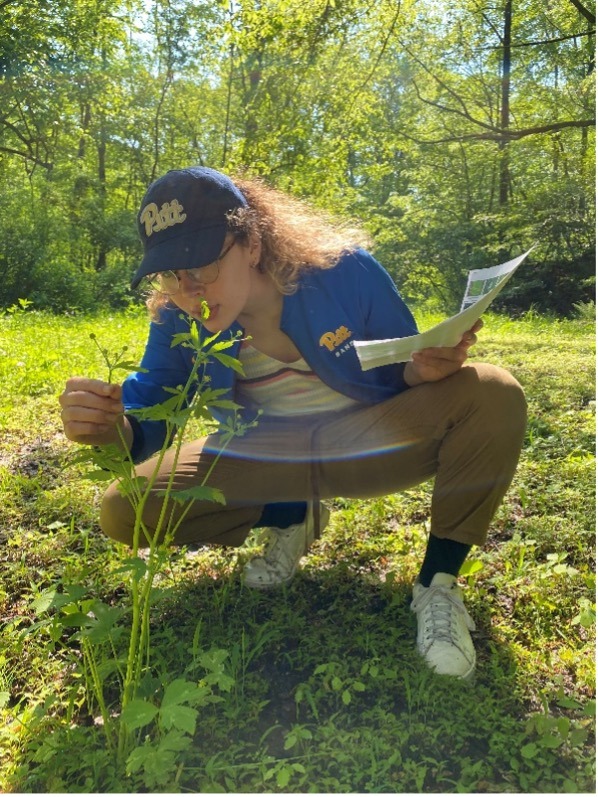
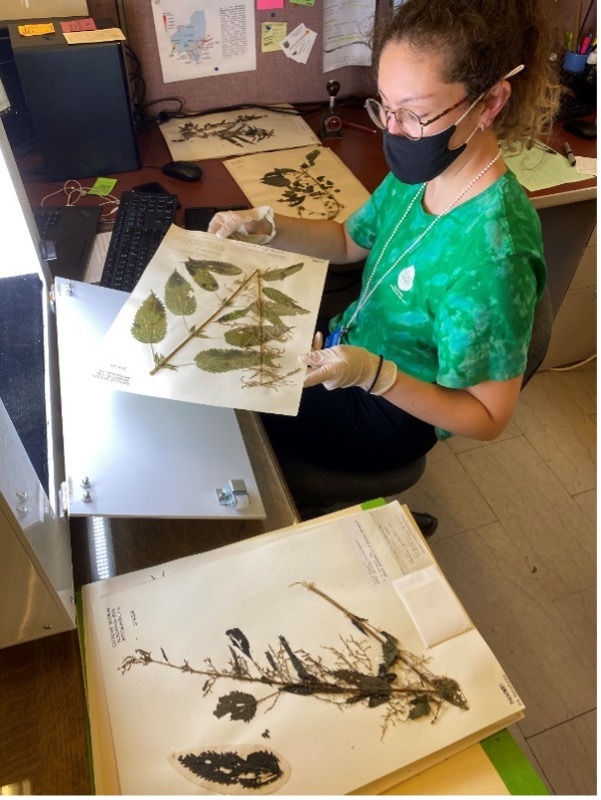
Woman looking at a plant outdoors
Woman working with herbarium sheets

Iliana, where can we find you on a Saturday?

“I just graduated from the University of Pittsburgh with a degree in Environmental Studies, and I am now on the lookout for any jobs related to the environment back in my hometown of Phoenix, Arizona. I am interested in working with anything from sustainability, to policy or political work, or maybe even something more related to ecology and outdoor work.

On a Saturday, I am definitely helping clean my house since I am a semi-clean freak, I love to go hiking if the weather isn’t too hot, enjoy drawing and working on any art projects, or work on my future hydroponics garden.

As somebody who interned for Pittsburgh Parks Conservancy, I highly recommend participating in any camps or activities the conservancy has to offer. It was super fun learning more about Pittsburgh’s history and ecology and getting to teach kids about these topics, alongside participating in fun outdoor activities.”

Sarah Williams, Curatorial Assistant

Next up, Sarah Williams, the Curatorial Assistant in the Section of Botany, is overseeing the digitization project, morphing the photos from raw camera files into smaller files for sharing and detailed files for archival storing using Adobe Lightroom. She takes the images from the newly photographed specimens and makes sure they get uploaded onto the Mid-Atlantic Herbaria Consortium’s website to be shared far and wide across the world.

There is also a lot she does in sorting, filing, and taking care of the specimens as well. She does a bunch of scheduling, hiring, and training of work study students, interns, and volunteers. We consider her a jack of all trades.
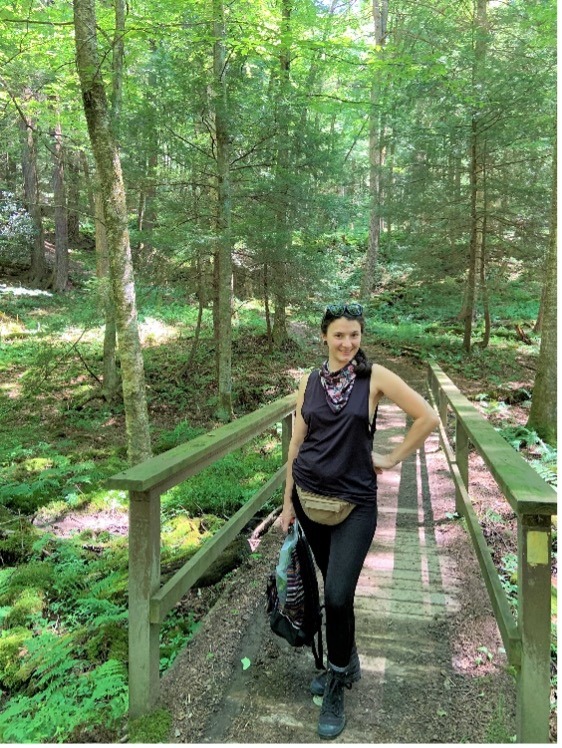
Woman in the woods
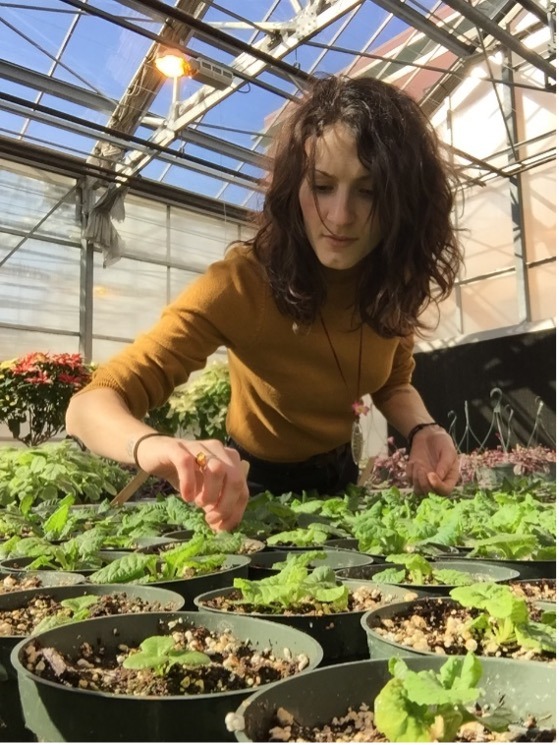
Woman in a greenhouse

Sarah, where can we find you on a Saturday?

“Most weekends I work with a local catering company called Black Radish Kitchen. I usually end up serving delicious vegetable and farm focused meals at least one day a week, commonly Saturdays because they’re prime for celebrations. The re-start up since the pandemic has been cautious, and I’m excited to be amongst people and help them to make mouthwatering memories again. I’ve worked in the restaurant industry for over a decade and the skills I’ve learned doing it as well as the friends I’ve made are matchless. It has a big piece of my heart.

I also moved into a new house this year about five minutes from my mom, so if I’m not running to say hi to her and ‘borrow’ some groceries, I’m doing laundry, dusting and yardwork… but only after I sleep in, eat some delicious breakfast with my partner, and hang out with our two cats, Santi and Gil.”

We hope you enjoyed getting to know us here in the Section of Botany, look forward to updates and more introductions in the future as we continue to host volunteers, federal work-study students, and interns on their journeys to learn even more about the plant kingdom.

Sarah Williams is Curatorial Assistant in the Section of Botany at Carnegie Museum of Natural History. Museum employees are encouraged to blog about their unique experiences and knowledge gained from working at the museum.

Related Content

How Do You Preserve a Giant Pumpkin?

Fall Blooms Rival Those of Spring

A Deeper Look at Dioramas

Carnegie Museum of Natural History Blog Citation Information

Blog author: Williams, Sarah C.
Publication date: September 24, 2021
Share this post!

  • Share on Twitter Share on Twitter
  • Share on Facebook Share on Facebook
  • Share on Pinterest Share on Pinterest
  • Share on LinkedIn Share on LinkedIn
  • Share on Reddit Share on Reddit
  • Share via Email Share via Email

Share this post!

  • Share on Twitter Share on Twitter
  • Share on Facebook Share on Facebook
  • Share on Pinterest Share on Pinterest
  • Share on LinkedIn Share on LinkedIn
  • Share on Reddit Share on Reddit
  • Share via Email Share via Email

Filed Under: Blog Tagged With: Botany, plants, Sarah Williams, Science News, ssstakeover

September 24, 2021 by wpengine

Bayet and Krantz: 16 Words (Part 1)

by Joann Wilson and Albert Kollar

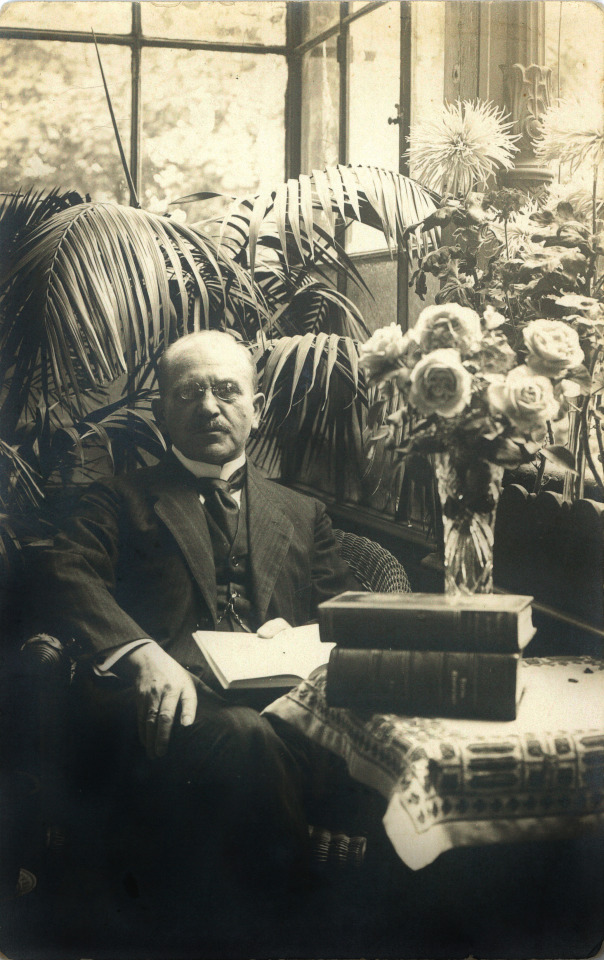
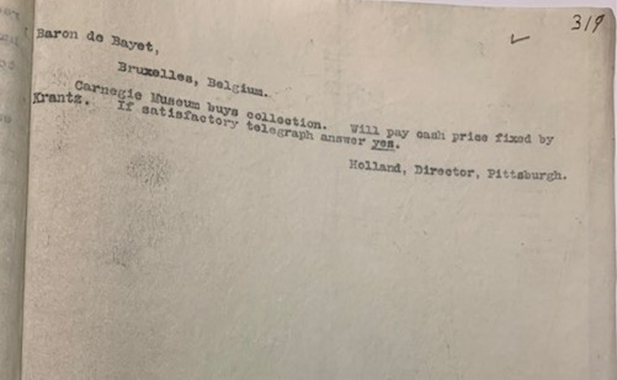
In June of 1903, William Holland, Director of the Carnegie Museum, seized a rare chance to acquire one of the finest private collections in all of Europe. The purchase was made with sixteen words. Within in Holland’s Archives at the Carnegie Museum of Natural History Library, on onion paper so fragile that it appears to float, is a carbon copy of the telegram that influenced the early history of the Paleontology Department. Mysteriously, only one name appears on this fateful cable, and it is not a name that you would expect. The name is “Krantz,” Dr. Friedrich Krantz of Bonn, Germany.

Black and white photo of a man in a suit holding a book surrounded by books and plants.
Dr. Friedrich Krantz sitting in the conservatory, or wintergarten, at his villa in Germany, (date unknown). Permission of Ursula Müller-Krantz, Executive Director, Dr. F. Krantz.

In 1859, Friedrich Krantz was born into a family that operated a geological supply business. In 1888, Krantz graduated with a PhD in geology from the University of Erlangen. That same year, he joined “Dr. A Krantz,” the company founded by his uncle, Adam August Krantz. By 1891, Friedrich Krantz took charge and changed the company name to “Dr. F. Krantz, Rheinisches Mineraliaen Contor.” The company continues operations to this day out of headquarters in Bonn.

Exactly when Ernest Bayet of Brussels and Friedrich Krantz met is uncertain. But thanks to the letters and fossil lists that arrived with the Bayet collection, we know that they corresponded at least three times. The difficult task of translating these documents into English is being handled by volunteer Lucien Schoenmakers, a resident of the Netherlands. Schoenmakers’ translation work here and with other records is contributing critical information to the Section of Invertebrate Paleontology’s multiyear project to fully document the invertebrate portion of the Bayet Collection.

From the archive, we know that Krantz visited Bayet at least once. On July 7th, 1897, Krantz wrote, “I intend to come to Brussels towards the end of next week and will be honored to visit you, I can use the numbered list to give you the exact individual prices for all the objects displayed by me.”

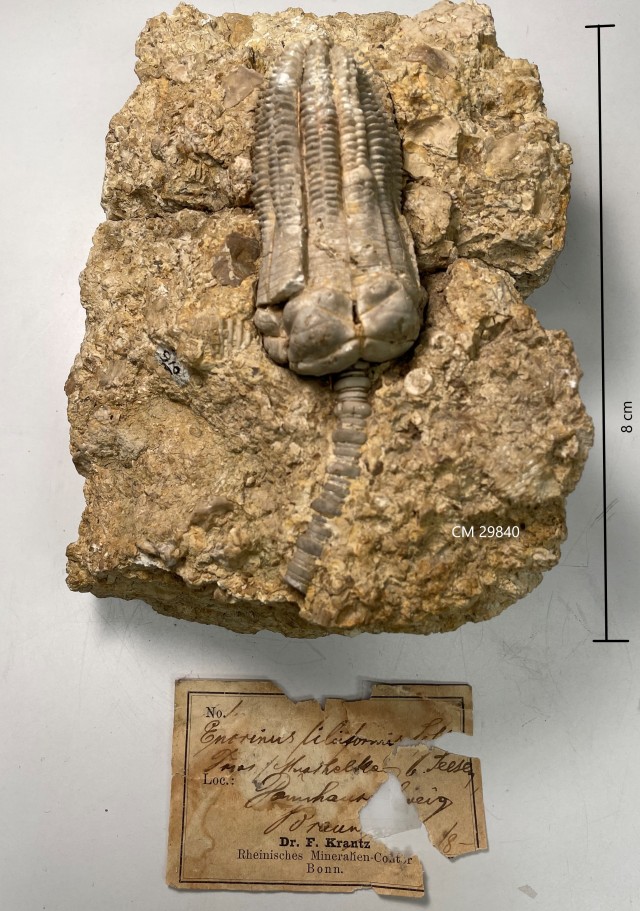
In fact, Bayet may have selected Krantz to act as his agent for the sale because he was so familiar with it. Krantz sold many museum quality specimens to Bayet; many with distinctive, elegant labels.

Fossil specimen with partial label underneath
Encrinus liliiformis Miller (CM 29840): a Triassic crinoid from Brunswick, Germany with Krantz label.

The sale of Baron Ernest Bayet’s fossil collection to the Carnegie Museum in 1903, made front page news in the New York Times, and other papers across the country. In a letter to Andrew Carnegie, thanking him for allocating $25,000 for the purchase, an enormous sum for that time, Holland wrote, “We are never likely to have another such chance, and you have done a most splendid thing in securing it [the Bayet Collection] for our Museum of Paleontology.” That most splendid thing transpired, over a century ago, with just sixteen words:

“Carnegie Museum buys collection. Will pay cash price fixed by Krantz. If satisfactory, telegraph answer yes.”

Photograph of a telegraph that reads: Baron de Bayet, Bruxelles, Belgium, Carnegie Museum buys collection.  Will pay cash price fixed by Krantz.  If satisfactory, telegraph answer yes.
Cable sent from Pittsburgh to Brussels on June 9th or 10th, 1903 offering to buy Baron Ernest Bayet’s fossil collection. “Krantz” refers to Friedrich Krantz of Bonn, Germany, a business man and fossil dealer who acted as Bayet’s negotiating agent.

Part 2 of this series highlights spectacular Krantz specimens within the Bayet collection.

Many thanks for the generous contributions of Ursula Müller-Krantz, Executive Director of Dr. F Krantz Rheinisches Mineraliaen Contor GmbH & Co., Marie Corrado, Carnegie Museum of Natural History Library Manager and Kelsea Collins, Carnegie Museum Library Cataloger. Continued gratitude to volunteer Lucien Schoenmakers’ ongoing effort to translate archival Bayet documents. Joann Wilson is an Interpreter in the Education Department at Carnegie Museum of Natural History and Albert Kollar is Collections Manager for the Section of Invertebrate Paleontology. Museum employees are encouraged to blog about their unique experiences and knowledge gained from working at the museum.

Related Content

Bringing Light to Dark Places

Hunting for Fossil Frogs in Wyoming

A Deeper Look at Dioramas

Carnegie Museum of Natural History Blog Citation Information

Blog author: Wilson, Joann; Kollar, Albert
Publication date: September 24, 2021
Share this post!

  • Share on Twitter Share on Twitter
  • Share on Facebook Share on Facebook
  • Share on Pinterest Share on Pinterest
  • Share on LinkedIn Share on LinkedIn
  • Share on Reddit Share on Reddit
  • Share via Email Share via Email

Share this post!

  • Share on Twitter Share on Twitter
  • Share on Facebook Share on Facebook
  • Share on Pinterest Share on Pinterest
  • Share on LinkedIn Share on LinkedIn
  • Share on Reddit Share on Reddit
  • Share via Email Share via Email

Filed Under: Blog Tagged With: Albert Kollar, invertebrate paleontology, Joann Wilson, Science News, SWK2

September 21, 2021 by wpengine

Lights Out for Birds

by Patrick McShea

As innately land-bound creatures, our comprehension of what goes on in the sky above us is limited. These short-comings are compounded when the sky grows dark. Our disconnection with what amounts to be an adjacent, but largely inaccessible ecosystem, presents a challenge to the organizers of a seasonal project to protect migrating songbirds.

Enormous numbers of birds pass over the Pittsburgh region each year during migration, northbound in the spring, and southbound in the fall. These passages occur during the night, and bright lighting can disorient the migrants’ finely-tuned sense of navigation, sometimes resulting in disabling or fatal window collisions. Lights Out Pittsburgh, is a voluntary program that encourages building owners and tenants to minimize this problem by turning off as much internal and external lighting as possible, nightly from midnight to 6:00 a.m. between September 1 and November 15.

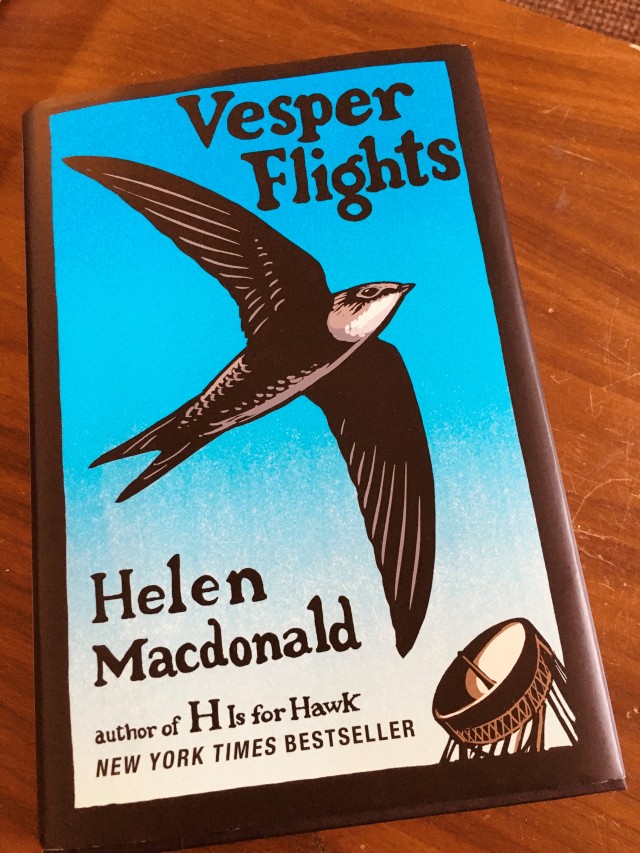
This fall, a group of organizations that includes the Building Owners and Managers Association of Pittsburgh, BNY Mellon, BirdSafe Pittsburgh, Carnegie Museum of Natural History, Pittsburgh Downtown Partnership, and the National Aviary announced their participation in the project. Long term, the sustainability of light reduction efforts will require greater appreciation of sky as ecosystem. To that end an essay in Vesper Flights, Helen Macdonald’s 2020 collection of nature writing and personal memoir, provides essential background information.

Cover of the book Vesper Flights by Helen Macdonald

In “High-Rise” the English naturalist, with Cornell Lab of Ornithology researcher Andrew Farnsworth as her guide, presents the 86th floor observation deck of Empire State Building as a portal for viewing a tiny slice of the northbound spring bird migration high above Manhattan. As Macdonald explains, by referencing the work of another researcher, the lofty vantage point is “a realm where the distinction between city and countryside has little or no meaning at all.”

From Vesper Flights by Helen Macdonald, Grove Press, 2020:

For every larger bird I see, thirty or more songbirds pass over. They are very small. Watching their passage is almost too moving to bear. They resemble stars, embers, slow tracer fire. Even through binoculars those at higher altitudes are tiny, ghostly points of light. I know that they have loose-clenched toes tucked to their chests, bright eyes, thin bones and a will to fly north that pulls them onward night after night. Most of them spent yesterday in central or southern New Jersey before ascending into darkness.

There are, of course, opportunities to make firsthand observations of the passage of migrating songbirds without a skyscraper as viewing platform. As night-flying migrants descend to lower altitudes just before dawn, their presence, numbers, and rough directional movement can be detected from quiet ground-level positions by listening for an irregular cadence of one and two syllable tweets and chips.

In a mid-Twentieth Century essay designed to guide parents in presenting the wonder of nature to their children, the renowned environmentalist Rachel Carson reflected upon this audio evidence of bird migration.

From The Sense of Wonder by Rachel Carson, Harper & Row, 1984 (a renewed copyright from 1956):

I never hear these calls without a wave of feeling that is compounded of many emotions – a sense of lonely distances, a compassionate awareness of small lives controlled and directed by forces beyond volition or denial, a surging wonder at the sure instinct for route and direction that so far has baffled human efforts to explain it.

Some dark early morning this fall, if you’re able to listen to the calls of descending migrants over the background buzz of crickets and the hum of traffic, you’re likely to become a stronger supporter of Lights Out Pittsburgh.

Patrick McShea works in the Education and Visitor Experience department of Carnegie Museum of Natural History. Museum employees are encouraged to blog about their unique experiences and knowledge gained from working at the museum.

Related Content

Bird Architecture on Human Infrastructure

Milestones at Powdermill’s Banding Lab

Teaching About Trees

Carnegie Museum of Natural History Blog Citation Information

Blog author: McShea, Patrick
Publication date: September 21, 2021

Share this post!

  • Share on Twitter Share on Twitter
  • Share on Facebook Share on Facebook
  • Share on Pinterest Share on Pinterest
  • Share on LinkedIn Share on LinkedIn
  • Share on Reddit Share on Reddit
  • Share via Email Share via Email

Share this post!

  • Share on Twitter Share on Twitter
  • Share on Facebook Share on Facebook
  • Share on Pinterest Share on Pinterest
  • Share on LinkedIn Share on LinkedIn
  • Share on Reddit Share on Reddit
  • Share via Email Share via Email

Filed Under: Blog Tagged With: Birds, birdsafe pittsburgh, Pat McShea, Science News, We Are Nature 2

September 17, 2021 by wpengine

Hunting For Fossil Frogs In Wyoming

by Amy Henrici

Collection managers at Carnegie Museum of Natural History (CMNH) typically spend their time on collection-based tasks. Sometimes, however, we are called on to clean out the office of a former curator in our respective sections. With the death of Section of Vertebrate Paleontology (VP) Curator Emerita Mary Dawson late last year, I’ve been spending time in her office sorting through numerous items she accumulated during her nearly 58-year career at the museum. While there, I can’t help but think of a conversation we had in her office many years ago when I expressed interest in obtaining a Master of Science degree in geology and paleontology at the University of Pittsburgh.

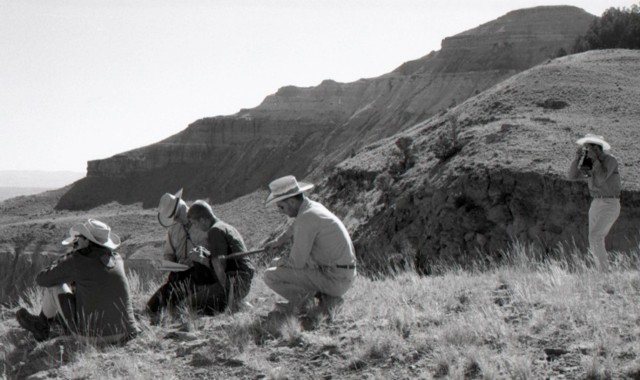
Mary agreed to be my advisor and suggested fossil fishes as a topic for my thesis, because at that time not many paleontologists were studying this group. She arranged for me to join a field crew from our Section led by curators Kris Krishtalka and Richard Stucky who planned to spend the summer of 1984 searching Eocene sediments (~56–34 million years ago) in the Wind River Basin of central Wyoming for fossils of mammals and other vertebrates. She instructed them to take me to the north end of Lysite Mountain, where during a 1965 reconnaissance geologist Dave Love (of the United States Geological Survey [USGS]) and his student Kirby Bay and others showed her some fish fossils.

Black and white candid photo of people on a rocky hillside.
1965 reconnaissance of the north end of Lysite Mountain. The fish locality lies further below the group. Left to right, Dave Foster, USGS geologist Dave Love, Love’s student Kirby Bay, then CMNH VP Curator Craig Black, and Ted Gard. Photo by Mary Dawson, July 28, 1965.

As planned, in late June I set out from Pittsburgh in my un-airconditioned car on a three-day drive to Wyoming to join the crew who had arrived before me. Some of my time in the field was spent assisting the crew in their search for mammal fossils, something I had no experience with. My previous field work involved collecting ancient amphibian, reptile, and dinosaur fossils from the time before most mammals had evolved. Indeed, the first set of “fossils” that I collected on this trip turned out to be fragments of modern rabbit bones that Kris unceremoniously dumped into his ashtray while identifying the day’s haul after dinner. Fortunately, my skills at finding mammal fossils improved.

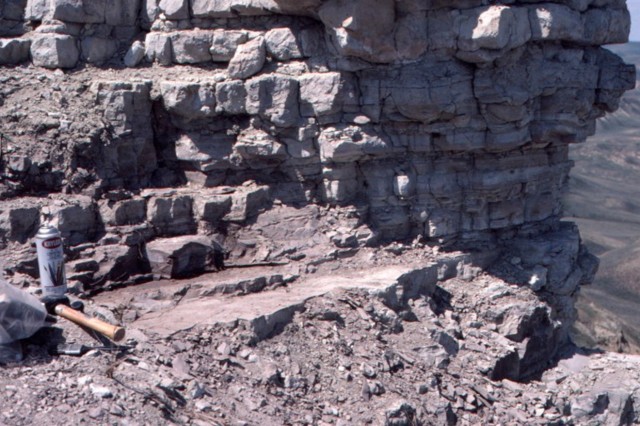
After a few days we went on the first of several reconnaissance trips to Lysite Mountain, which lies north of the Wind River Basin and forms part of the southern escarpment of the Bighorn Basin. To get there we drove deeply rutted and sometimes rocky dirt roads. Once there, the crew spread out in search of fossils. While some of us searched for and found incomplete and disarticulated fish fossils, others discovered a unit that produced frog fossils. When Kris and Richard showed me the frog fossils, they strongly urged me to base my thesis on the frogs instead of the scrappy fish I had collected. I quickly agreed, which was a decision that I never regretted.

We returned to our routine of prospecting for fossils in the Wind River Basin, until the planned arrival of Pat McShea (now my husband and Program Officer in the CMNH Department of Education) via a Trailways bus. The original plan was for Pat and me to drive my car daily to Lysite Mountain, but this was not feasible, given the condition of the roads. Instead the crew dropped us off with our camping gear for four days of fossil frog collecting. This was followed by a second field season in 1986, in which my sister, Ellen Henrici, joined us with her off-road capable SUV.

Rocky landscape with tools set out on the left side of the image.
The frog quarry, with the Bighorn Basin below, to right of quarry. Photo by the author, 1984.

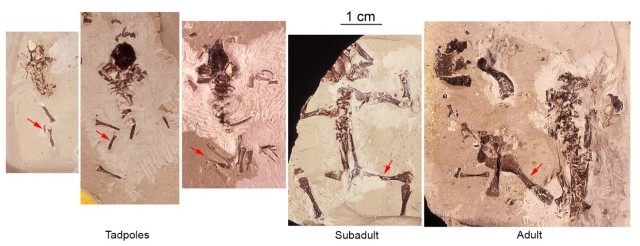
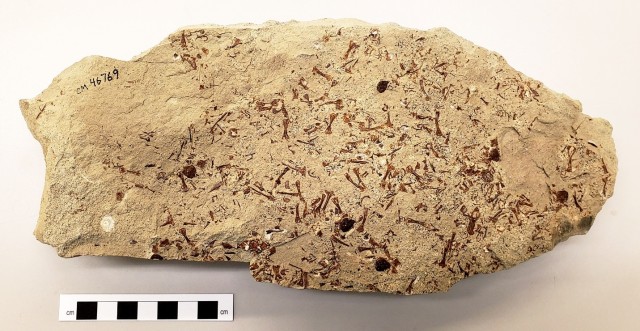
Using a hammer and chisel to pry open pieces of rock, we collected nearly 150 specimens of frog fossils in varying degrees of completeness. The preparation of the fossils and the identification of the various bones took me a long time. I eventually figured out that they were all the same type of frog and represented a new genus and species in the family Rhinophrynidae, which today is known by a single species: Rhinophrynus dorsalis, the Mexican burrowing toad. The fossil collection even includes tadpoles in various stages of development, as well as a mortality layer preserving the scattered bones of many individuals. I named this new genus and species Chelomophrynus bayi in a 1991 paper published in CMNH’s scientific journal, the Annals of Carnegie Museum.

From left to right: three tadpole fossils, a subadult frog fossil, an adult frog fossil
Growth series of Chelomophrynus bayi, arranged in order of maturity from youngest (left) to oldest (right). The red arrow points to the thigh bone (femur). A tail, not preserved, would have been present in the tadpoles. Photos by the author, 2015.

Mortality layer rock sample.
Sample of the extensive mortality layer of Chelomophrynus bayi. Cause of death might have been disease. Photo by the author, 2021.

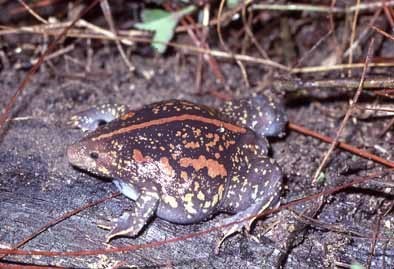
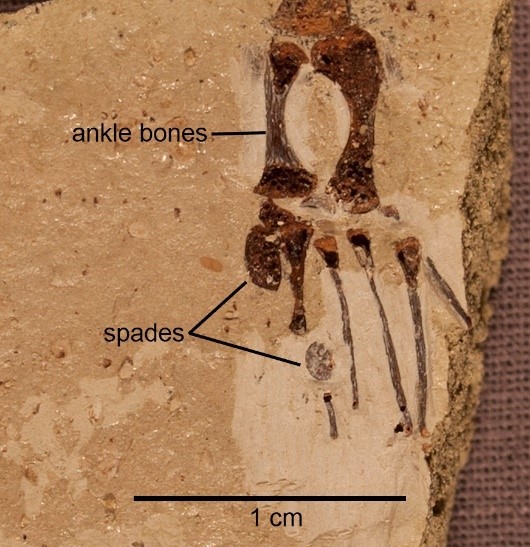
In paleontology, the study of living creatures can inform our understanding of fossils. The Mexican burrowing toad is very unusual in that it spends most of its life underground and only emerges to breed after heavy rain. The species currently inhabits dry tropical to subtropical forests along coastal lowlands in extreme southern Texas southward into Mexico and Central America. It has two bony spades on each hind foot that help it to efficiently dig, hind feet first, into the ground. Once underground, other skeletal specializations enable it to use its front feet and nose to penetrate termite and ant tunnels and then protrude its tongue into the tunnel to catch insects. Chelomophrynus possesses a number of these specializations (though some are not as well developed as in the modern Rhinophrynus), which strongly suggests that it too was able to burrow underground to feed on subterranean insects.

frog on the forest floor
Rhinophrynus dorsalis, the modern Mexican burrowing toad. Image from the CMNH Section of Herpetology.

Partial fossilized frog hind foot with labels for ankle bones and spades.
Partial hind foot of Chelomophrynus bayi, which preserves two bony spades that in life would have been covered in a keratinous sheath and used for digging feet-first into the ground. Photo by the author.

Rhinophrynids once occurred as far north as southwestern Saskatchewan, Canada around 36 million years ago. Their southward retreat to their current range could be because they apparently never developed the ability to hibernate in burrows, which would have protected them from seasonal sub-freezing temperatures which began developing around 34 million years ago.

The oldest rhinophrynid is Rhadinosteus parvus, a frog that lived with dinosaurs. In 1998, I was able to name and describe it based upon several late-stage tadpoles collected earlier from Dinosaur National Monument, Utah, a site where many of the dinosaurs on exhibit in CMNH came from. A cast of Rhadinosteus is displayed in CMNH’s Dinosaurs in Their Time gallery.

Amy Henrici is the Collection Manager in the Section of Vertebrate Paleontology at Carnegie Museum of Natural History. Museum employees are encouraged to share their unique experiences from working at the museum.

Related Content

Super Science Saturday: Scientist Takeover (September 25, 2021)

The Bromacker Fossil Project Part I: Introduction and History

Fossil Matrix Under the Microscope

Carnegie Museum of Natural History Blog Citation Information

Blog author: Henrici, Amy
Publication date: September 17, 2021

Share this post!

  • Share on Twitter Share on Twitter
  • Share on Facebook Share on Facebook
  • Share on Pinterest Share on Pinterest
  • Share on LinkedIn Share on LinkedIn
  • Share on Reddit Share on Reddit
  • Share via Email Share via Email

Share this post!

  • Share on Twitter Share on Twitter
  • Share on Facebook Share on Facebook
  • Share on Pinterest Share on Pinterest
  • Share on LinkedIn Share on LinkedIn
  • Share on Reddit Share on Reddit
  • Share via Email Share via Email

Filed Under: Blog Tagged With: Amy Henrici, Science News, ssstakeover, SWK2, Vertebrate Paleontology

September 13, 2021 by wpengine

A Deeper Look at Dioramas

by Suzanne McLaren

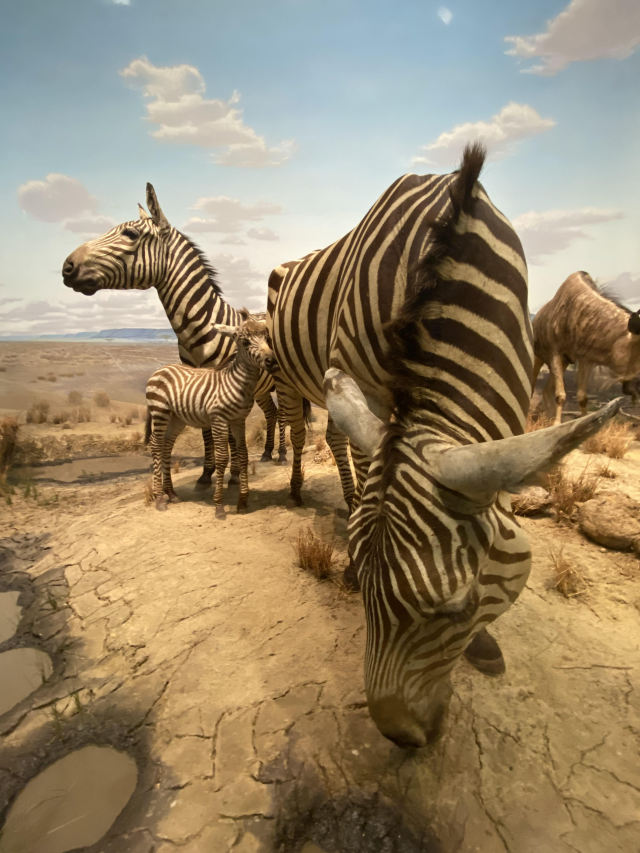
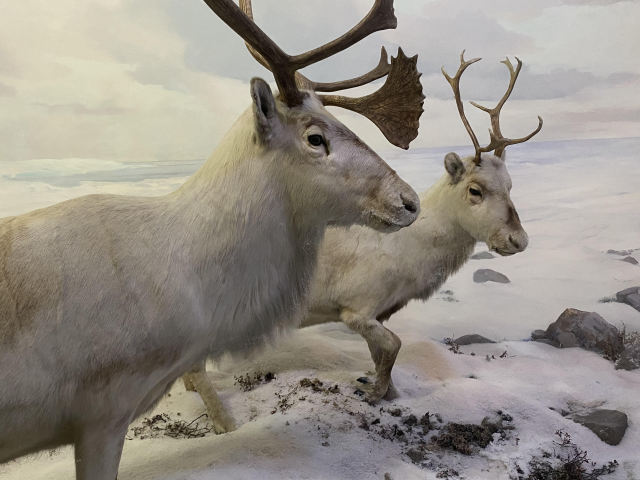
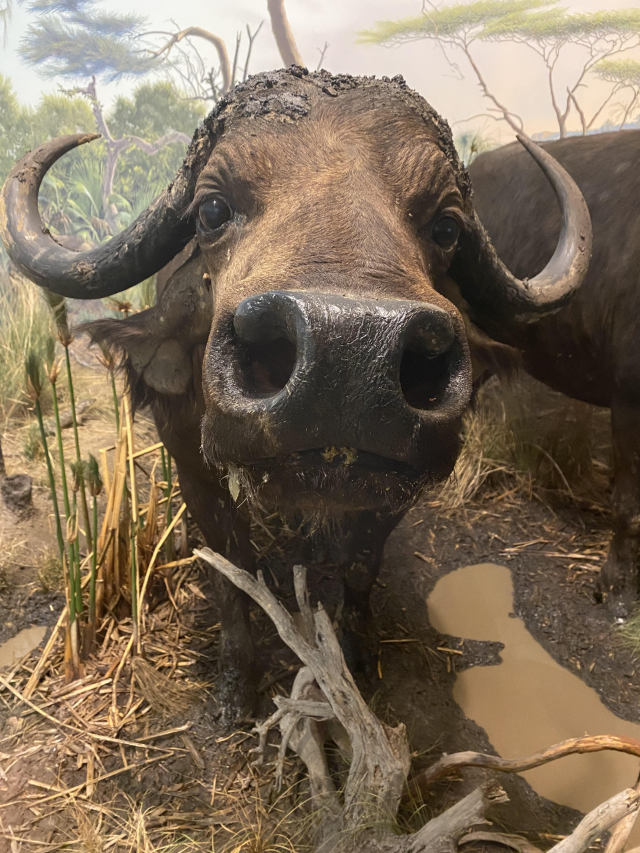
On the second floor at Carnegie Museum of Natural History a visitor can see dioramas showing wildlife found in both North America and Africa. Often a visitor is drawn close to an exhibit by the taxidermy mount of a large mammal that is the diorama’s most prominent feature. The animal is posed as it would appear in its natural surroundings. The art and science of world class taxidermy can lead a visitor to focus only on what appears to be the main subject of the diorama. However, that would be unfortunate. In nearly every example on the second floor, the staff has gone to great lengths to include so much more. The next time you visit, look at different types of plants, birds, reptiles, amphibians and even insects and mollusks that share the habitat.

Taxidermy zebras in a museum display

Some of the earliest Carnegie Museum dioramas exhibits, crafted by taxidermist Frederic S. Webster, have depicted locations unfamiliar to the average visitor of his day. Webster was sent to locations around North America to observe, sketch, plan and collect for the construction of dioramas that could bring the essence of those environments home to Pittsburgh. Subsequent generations of Carnegie Museum exhibit and scientific staff have followed that same general process. In many cases, one can look at a diorama and realize that the scene represents an identifiable location. Whether that location is Yellowstone National Park in Wyoming, Masai Mara National Reserve in Kenya, or Powdermill Nature Reserve in Westmoreland County, Pennsylvania, the construction of a new diorama can take years of planning and months of construction to complete.

taxidermy caribou in a snowy museum display

If you can join us at Carnegie Museum of Natural History for Super Science Saturday on September 25th, Curator John Wible and Collection Manager Sue McLaren from the Section of Mammals will be on hand to talk about mammals and share stories about some of their favorite dioramas.

close up of an animal's face in a museum diorama

Suzanne McLaren is the Collection Manager in the Section of Mammals at Carnegie Museum of Natural History. Museum employees are encouraged to share their unique experiences from working at the museum.

Related Content

D is for Dugong

Doubly Dead: Taxidermy Challenges in Museum Dioramas

Sympathy for the Devil

Carnegie Museum of Natural History Blog Citation Information

Blog author: McLaren, Suzanne
Publication date: September 13, 2021

Share this post!

  • Share on Twitter Share on Twitter
  • Share on Facebook Share on Facebook
  • Share on Pinterest Share on Pinterest
  • Share on LinkedIn Share on LinkedIn
  • Share on Reddit Share on Reddit
  • Share via Email Share via Email

Share this post!

  • Share on Twitter Share on Twitter
  • Share on Facebook Share on Facebook
  • Share on Pinterest Share on Pinterest
  • Share on LinkedIn Share on LinkedIn
  • Share on Reddit Share on Reddit
  • Share via Email Share via Email

Filed Under: Blog Tagged With: mammals, Science News, ssstakeover, Sue McLaren

September 3, 2021 by wpengine

Pitfall Traps: Fieldwork Surprises

by Amanda K. Martin

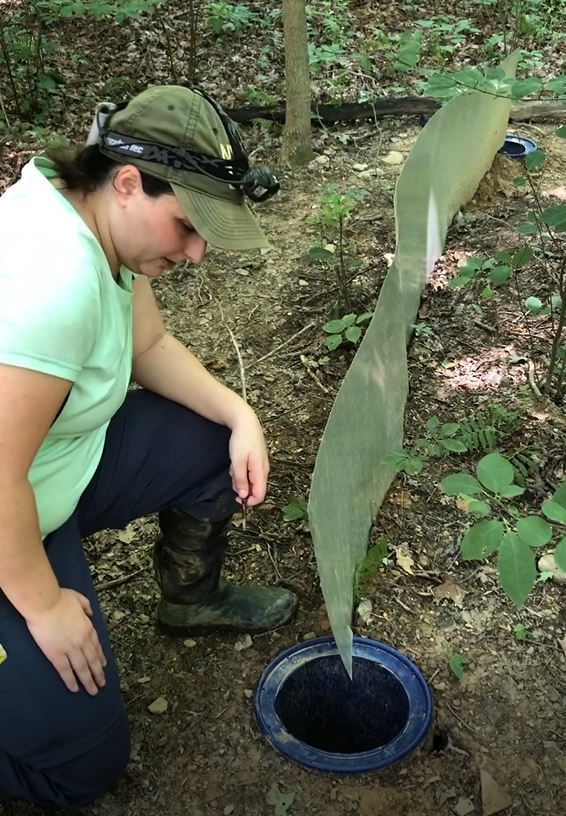
Powdermill Nature Reserve is home to a wide variety of creatures whose presence remains undetected by most human visitors. One way that scientists can explore the animal diversity of an area is by a method called pitfall trapping (Fig. 1A). For research into the Reserve’s amphibian diversity, I was part of a small team who placed pairs of 5-gallon buckets in the ground 8 feet apart, with their rims at surface level. We then set up a low metal fence between each pair of buckets (Fig 1A). Animals moving along the forest floor who encountered the fence would generally follow the barrier, to the left or to the right, and fall into one of our traps.

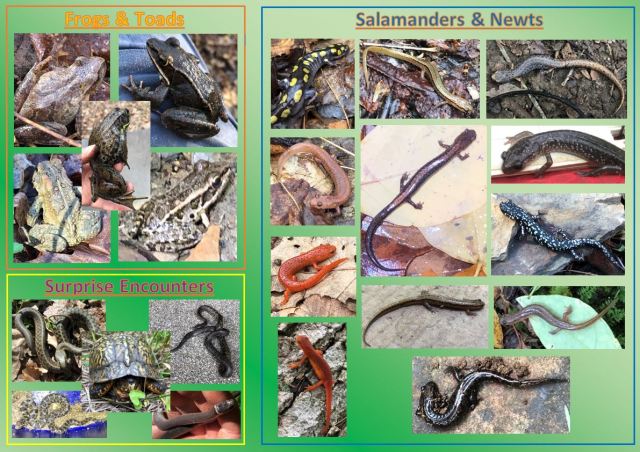
We checked our pitfall traps every morning during the study period, noting which species we had captured, along with their size and weight, before releasing them unharmed. As an amphibian study our trapping targets were frogs, toads, salamanders, and newts, and we were successful in documenting their presence. Across ten sample periods of ten days each, we captured 1,962 individual amphibians representing 17 different species! (Fig. 1B)

Woman looking into a pitfall trap in the woods.
Fig 1A: Dr. Martin inspecting a pitfall trap array for captured amphibians. Photo by P. DeQueiroz.
College of reptile and amphibian photos.
Fig. 1B: Species diversity from captures in traps along with a few surprise reptilian encounters.

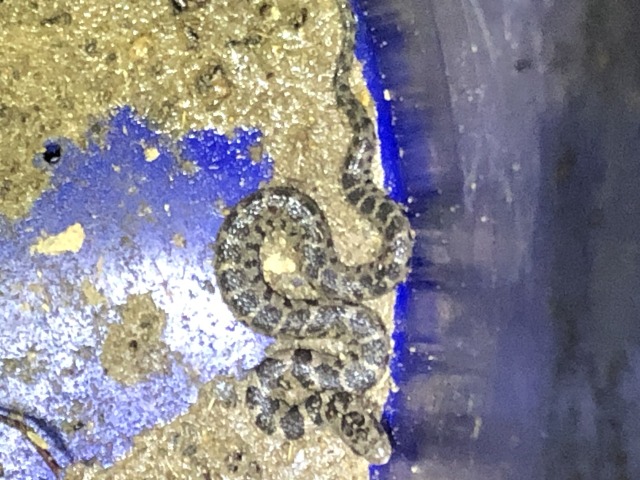
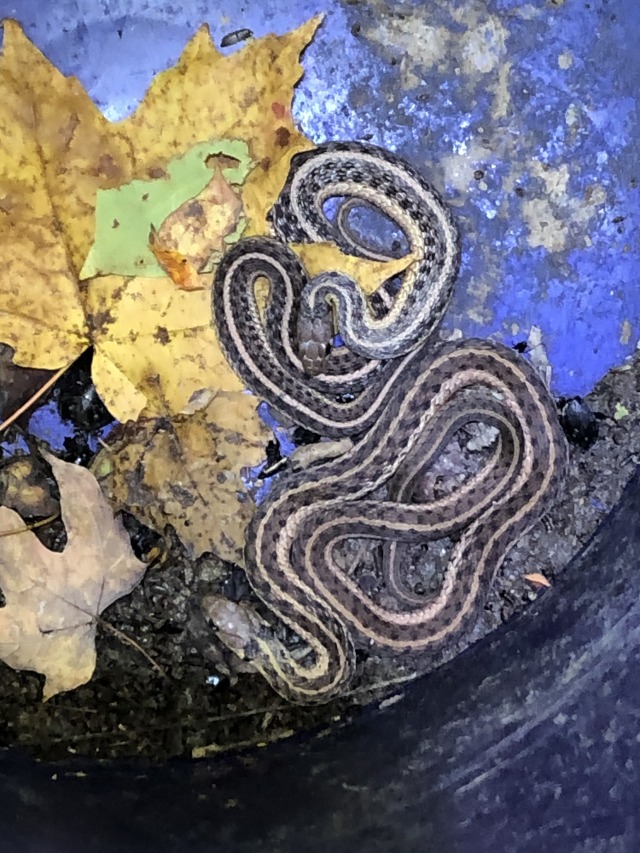
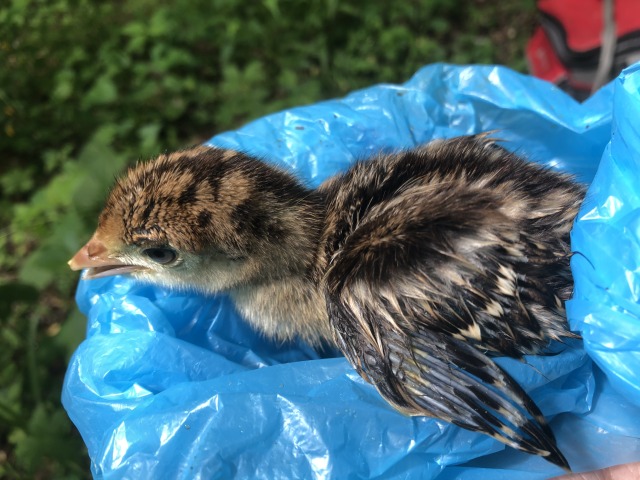
Pitfall traps also capture non-target species, called by-catch, a term that give little indication of the surprising encounters some of these creatures create. Normally I see a wide variety of invertebrate species when I check my traps, including millipedes, large beetles, spiders, crayfish, and even moths. Additionally, this year we captured a Northern water snake (Nerodia sipedon; Fig. 2A) and four eastern garter snakes (Thamnophis sirtalis; Fig. 2B). More surprisingly, one trap briefly detained a fledging Wild Turkey (Meleagris gallopavo, Fig. 2C)!

Northern water snake in a pitfall trap.
Eastern garter snake in a pitfall trap.
Fledgling turkey.
Fig. 2: Captured snakes and a surprise avian, Northern Water (A), Eastern Garter (B), and a fledgling turkey (C).

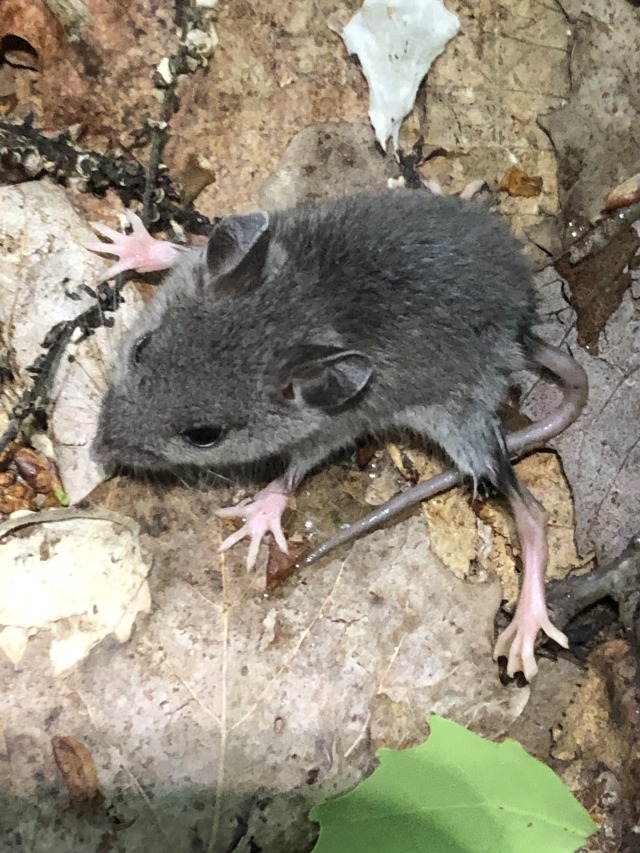
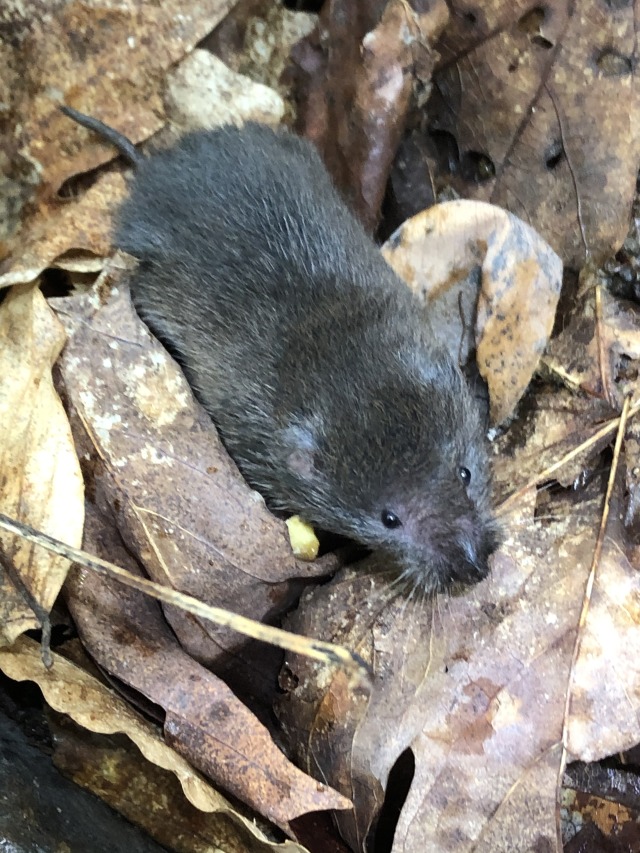
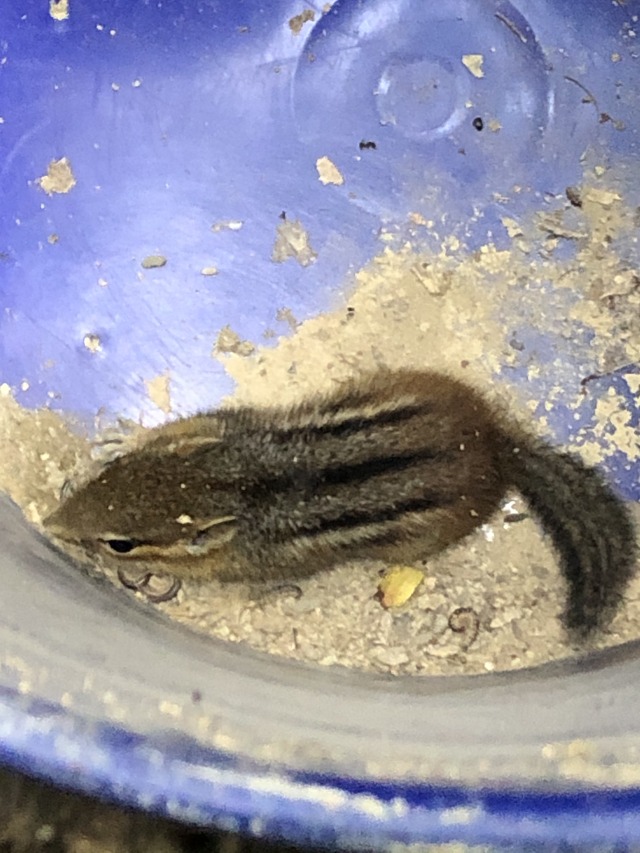
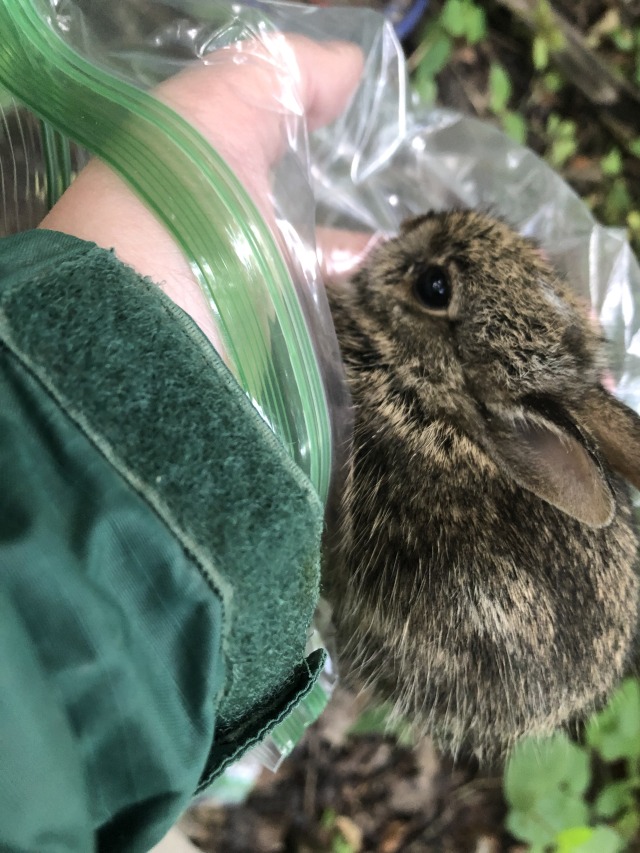
Our study’s pitfall trap by-catch also included several different mammals that scurry across the forest floor: We caught different species of mice (Fig. 3A), shrews, voles (Fig. 3B), and on single occasions a chipmunk (Fig. 3C), mole, or even an opossum! Our traps contained moist sponges to provide water for these small mammals, along with small sections of PVC pipe for shelter. We also found that anchoring a jute string to the bucket edge overhang, with knots tied every 50 – 60 mm, reduced small mammal by-catch. The string provided a means for small mammals to climb up to the ground surface and escape on their own—except for a tiny eastern cottontail rabbit (Fig. 3D), which was safely released after we encountered it.

Mouse on leaf litter.
Vole on leaf litter.
Chipmunk in a pitfall trap.
Bunny in a human hand.
Fig. 3: Small mammal encounters with a mouse (A), vole (B), chipmunk ©, and a bunny (D).

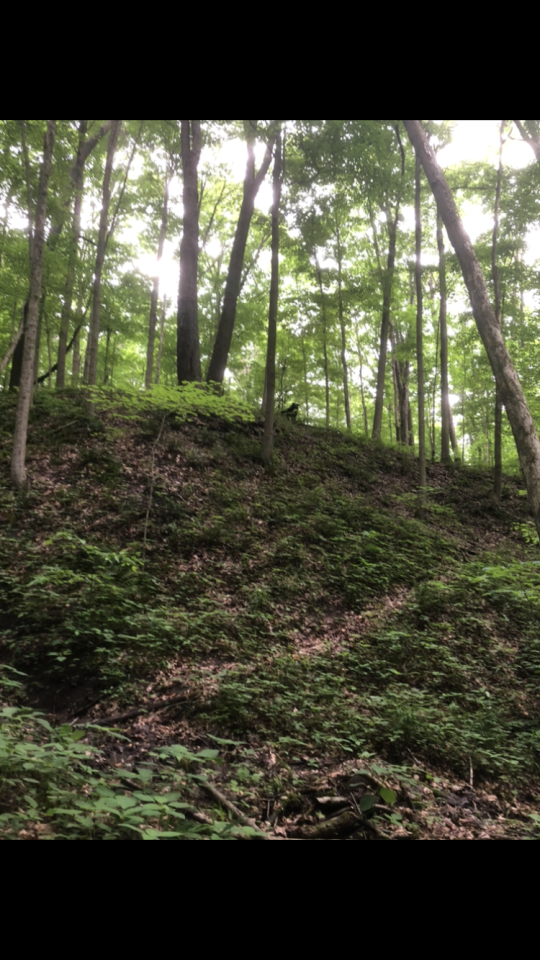
In addition to encounters with the animals caught in our pitfalls, the time we spent checking the traps provided opportunities to observe other wildlife passing through the forest. On one occasion while my field assistant and I were measuring an Allegheny dusky salamander (Desmognathus ochrophaeus) we heard a loud noise. When we both looked up a wooded slope in the direction of the sound we were shocked to see a black bear (Ursus americanus) approaching. I took a quick photo (Fig. 4), released the salamander, and we cautiously watched the bear come down the hill and walk off. The incident was nerve-wracking in the moment, but very exciting in retrospect! Also, while relaxing outside my cabin one day after a long fieldwork session, I was lucky enough to spot a bobcat walking past —a great bonus to spending so much time in the forest!

Forested area with a black bear in the distance.
Fig. 4: A surprise black bear encounter while checking pitfall traps.

All research was conducted under approved permits. Photos by A.K. Martin.

Amanda K. Martin is the Rea Postdoctoral Fellow in the Section of Amphibians and Reptiles. Museum employees are encouraged to blog about their unique experiences and knowledge gained from working at the museum.

Related Content

How To Catch 311 Amphibians in 10 Days

The Search for the Near Threatened Green Salamander, Aneides aeneus

Overwintering for Amphibians and Reptiles

Carnegie Museum of Natural History Blog Citation Information

Blog author: Martin, Amanda K.
Publication date: September 3, 2021

Share this post!

  • Share on Twitter Share on Twitter
  • Share on Facebook Share on Facebook
  • Share on Pinterest Share on Pinterest
  • Share on LinkedIn Share on LinkedIn
  • Share on Reddit Share on Reddit
  • Share via Email Share via Email

Filed Under: Blog Tagged With: Amanda Martin, amphibians and reptiles, Science News

  • « Go to Previous Page
  • Page 1
  • Interim pages omitted …
  • Page 14
  • Page 15
  • Page 16
  • Page 17
  • Page 18
  • Interim pages omitted …
  • Page 43
  • Go to Next Page »

sidebar

About

  • Mission & Commitments
  • Directors Team
  • Museum History

Get Involved

  • Volunteer
  • Membership
  • Carnegie Discoverers
  • Donate
  • Employment
  • Events

Bring a Group

  • Groups of 10 or More
  • Birthday Parties at the Museum
  • Field Trips

Powdermill

  • Powdermill Nature Reserve
  • Powdermill Field Trips
  • Powdermill Staff
  • Research at Powdermill

More Information

  • Image Permission Requests
  • Science Stories
  • Accessibility
  • Shopping Cart
  • Contact
  • Visitor Policies
Stay in the loop! Sign up for our newsletter(s).
One of the Four Carnegie Museums | © Carnegie Institute | Privacy Policy | Terms of Use | Accessibility
Rad works here logo