• Skip to primary navigation
  • Skip to main content
  • Skip to primary sidebar

Carnegie Museum of Natural History

One of the Four Carnegie Museums of Pittsburgh

  • Visit
    • Buy Tickets
    • Visitor Information
    • Exhibitions
    • Events
    • Dining at the Museum
    • Celebrate at the Museum
    • Powdermill Nature Reserve
    • Event Venue Rental
    • Gift Cards
  • Learn
    • Field Trips
    • Educator Information
    • Programs at the Museum
    • Bring the Museum to You
    • Guided Programs FAQ
    • Programs Online
    • Climate and Rural Systems Partnership
  • Research
    • Scientific Sections
    • Science Stories
    • Science Videos
    • Senior Science & Research Staff
    • Museum Library
    • Science Seminars
    • Scientific Publications
    • Specimen and Artifact Identification
  • About
    • Mission & Commitments
    • Directors Team
    • Museum History
  • Tickets
  • Give
  • Shop

Erin Southerland

September 6, 2023 by Erin Southerland

Do No Harm: Dealing with Spotted Lanternflies

by Jonathan Rice

Spotted lanternflies are a “true bug,” cousins of the cicada and stink bug. Unlike our native bug species, these invasive bugs feed on a very wide variety of plants and don’t have enough native predators or parasites to keep their population in check. Their favorite food is tree-of-heaven (Ailanthus altissima), which is already widespread in our area. This means their population is exploding, and Pittsburghers are looking for ways to get rid of them. 
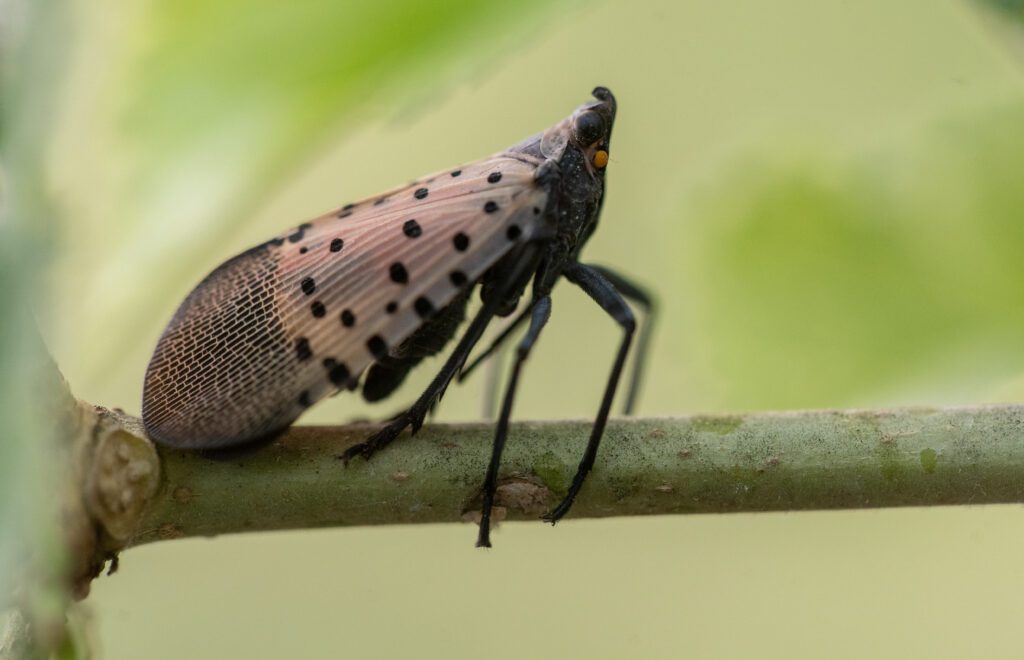
adult spotted lanternfly

There’s no special pesticide that targets the lanternflies. However, we can outsmart them. 

Spotted lanternflies display a unique behavior of climbing up tree trunks (or any other vertical surface), falling to the ground, and climbing up again. This is repeated many times throughout each stage of their life cycle.  By using this behavior to our advantage, we can trap spotted lanternflies. The best currently used traps include circle traps and oviposition traps, which corral the lanternflies so they can be contained and destroyed. You can make circle traps as a DIY project, or you can order them premade. 

Sticky traps: to stick or not to stick?

Although sticky traps (tape, sticky sheets, and glue traps) have been suggested in the past for spotted lanternfly control and are currently used by some landowners, these are extremely dangerous for birds. Sticky traps can kill many species of local birds that forage on tree trunks, including woodpeckers, nuthatches, and wrens. After the birds are stuck to the trap it becomes impossible for them to free themselves and they will die a slow and miserable death.
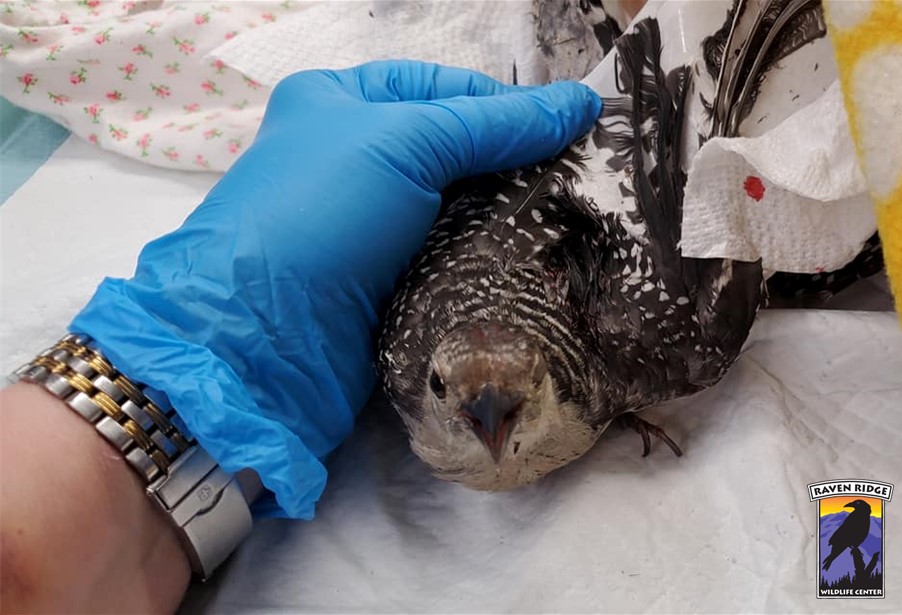
Woodpecker being treated for injuries from a sticky trap. Credit: Raven Ridge Wildlife Center.

If you find a live bird or mammal stuck to a lanternfly sticky trap, do not try to remove the bird yourself. Cover any remaining sticky areas on the trap with plastic wrap to reduce double sticking the bird (or yourself), remove the entire trap from the tree, and take it to the nearest wildlife rehabilitation center. If you must use a sticky trap, ensure it is covered with a wire mesh (hardware cloth or similar) to prevent anything larger than a lanternfly from touching it. Check sticky traps at least once a day to ensure no birds or mammals have been caught. 

Jonathan Rice is Urban Bird Conservation Coordinator at Powdermill Nature Reserve, Carnegie Museum of Natural History’s environmental research center.

Related Stories

Tracking Migratory Flight in the Northeast

A Summer Internship at Powdermill

Can’t Choose Just One: Asking an Entomologist to Name Their Favorite Native Species

Carnegie Museum of Natural History Blog Citation Information

Blog author: Rice, Jonathan
Publication date: September 6, 2023
Share this post!

  • Share on Twitter Share on Twitter
  • Share on Facebook Share on Facebook
  • Share on Pinterest Share on Pinterest
  • Share on LinkedIn Share on LinkedIn
  • Share on Reddit Share on Reddit
  • Share via Email Share via Email

Filed Under: Blog Tagged With: Anthropocene, Birds, Invertebrate Zoology, Jon Rice, liocf, Powdermill Nature Reserve, Science News

September 1, 2023 by Erin Southerland

A Summer Internship at Powdermill

by Rosie Spinola

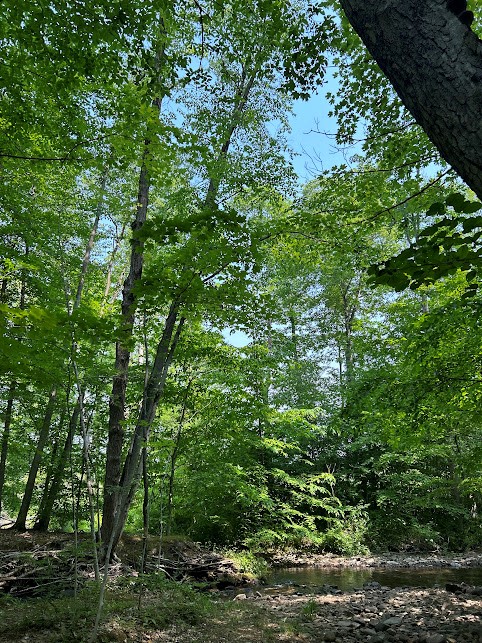
Before my science-focused internship at Powdermill Nature Reserve, I was a virtual stranger to the forests of Appalachia. Although I’ve lived in western Pennsylvania my entire life, and frequently enjoyed exploring the woods in my hometown, often, I was simply not tuned in to the diversity and intricacies of the world all around me. My short tenure at Powdermill abruptly changed that perspective. During my internship I had the pleasure of participating in a wide variety of projects and studies, each one an eye-opening learning experience.

The internship began with a crash course in tree identification from my mentor and fieldwork partner, Andrea Kautz. Vegetation surveys were the bulk of the work performed this summer in terms of both the physical labor required and the amount of information we collected. Trees, saplings, shrubs, logs; notations about the location, size, and abundance of each instance contributed to a years-long study of the forest. 

One of the major changes that we have been able to track over the years is the cataclysmic effects of the invasive Emerald Ash Borer. The Emerald Ash Borer is an invasive beetle from northeast Asia that lays its eggs in the bark of ash trees. The eggs develop into larvae that eat the cambium of the ash, destroying the tree from the inside out. Where once swathes of Powdermill land were defined by their large white ash trees, you would be hard-pressed to find a single one in today’s forest. The dead ash trees leave a hole in the canopy in their wake and, to the endless consternation of those attempting to survey the area, invasive thorny species move in.

An example of an area surveyed this summer.

The greatest love of my life is animals, and I got to get very up-close and personal with them when Dr. Walter Meshaka visited to perform herpetology studies. One of the studies he conducted was on snake fungal disease in eastern milk snakes (Lampropeltis triangulum triangulum). Data collection in the field involved capturing individual milk snakes from beneath strategically placed metal coverboards where the reptiles had taken shelter, swabbing their skin to obtain the DNA of the skin microbiota, and then releasing them. Walter allowed me to contribute not only to the swabbing process, but to the risky business of capturing the snakes. I quickly discovered that milk snakes have a spectrum of personalities, from the patient, perfect subjects to the ornery and bitey. 

Two milk snakes next to the coverboard they were sheltering under.

While Walter was here, I was also offered the opportunity to aid him in studying another class of herps: salamanders. Strategically placed coverboards were again critical tools in the study, this time wooden, rather than metal, and placed near wetlands and streams instead of near open fields and meadows. The purpose of this study was to describe the species diversity and density of native salamander species. From our data in June and July, it appears the most abundant salamander near Powdermill’s streams is the charismatic Allegheny Mountain Dusky Salamander (Desmognathus ochrophaeus).

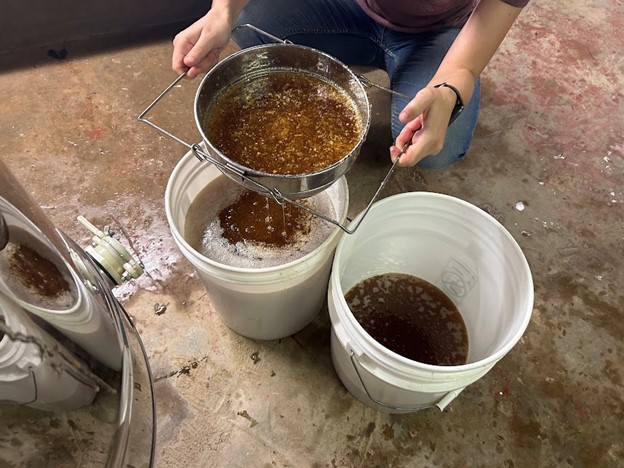
When working with Andrea, an entomologist, you can be sure that insects will be a large part of your life. We began the summer working with a personal favorite: honey bees! Powdermill maintains two hives on its property. The structures are kept healthy with supplemental food, an electrified exclosure fence (to keep out any sweet-toothed bears), and formic acid treatments to control Varroa mites. At the end of summer there was a sticky compensation for such support: We were able to collect more than eighty pounds of honey, though not without a valiant fight from the winged residents of the more territorial hive.

When collecting raw honey, the honey that drips out of the comb must be filtered through a sieve to collect bits of wax and insects.

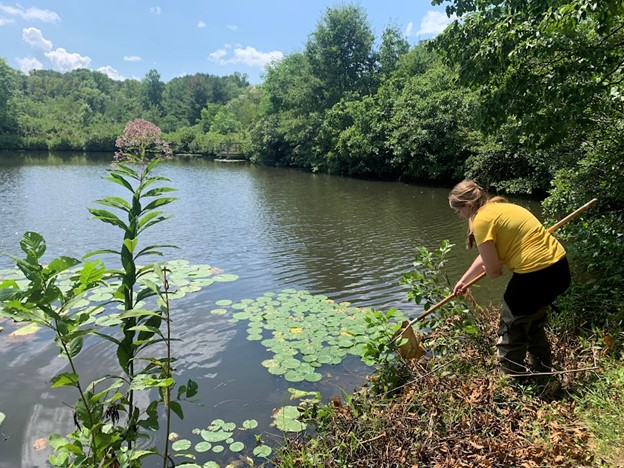
Andrea also participated in a robust, nationwide study on flying insects earlier this spring. A Malaise trap (what is essentially a vertical corral for flying insects) was set up in Crisp Field, a large meadow on Powdermill property, and throughout the summer my responsibilities included sorting everything collected in this trap. This exercise was a three-month affair. I conducted an up-close and personal survey of the sheer amount of diversity found in each order of insects, an experience mirrored by the periodic aquatic macroinvertebrate surveys we performed together along streams and ponds across the property. 

We sampled macroinvertebrates from multiple locations, pictured is a large pond near the Powdermill Avian Research Center.

From insects to reptiles to trees, each project I embarked on got me closer to truly understanding the world around us. In many ways, this meant seeing the consequences of climate change and human influence. Situations reveal themselves to be more dire than one could ever hope to understand by just reading about it. But there is hope, because understanding the world around us also means you can see just how much life worth protecting there is, if you just know how to look.

Rosie Spinola is an intern at Powdermill Nature Reserve, Carnegie Museum of Natural History’s environmental research center.

Related Content

An Intern’s Experience Studying the Ecosystem at Powdermill

Encounter with an Orb Weaver Spider: Is It Predator or Prey?

Tracking Migratory Flight in the Northeast

2023 Point Counts at Powdermill Avian Research Center

Carnegie Museum of Natural History Blog Citation Information

Blog author: Spinola, Rosie
Publication date: September 1, 2023

Share this post!

  • Share on Twitter Share on Twitter
  • Share on Facebook Share on Facebook
  • Share on Pinterest Share on Pinterest
  • Share on LinkedIn Share on LinkedIn
  • Share on Reddit Share on Reddit
  • Share via Email Share via Email

Filed Under: Blog Tagged With: Powdermill, Powdermill Nature Reserve

August 31, 2023 by Erin Southerland

The Nose that “Sees”

by Lisa Miriello

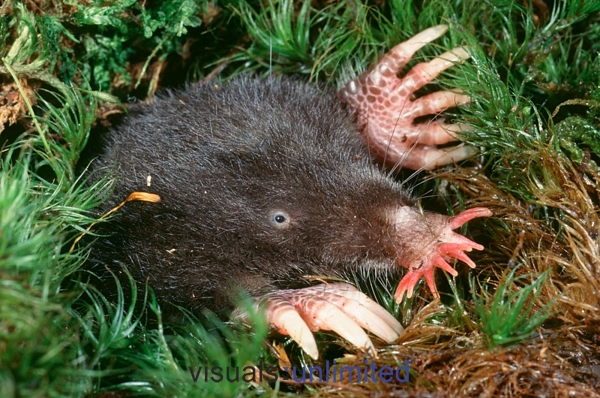
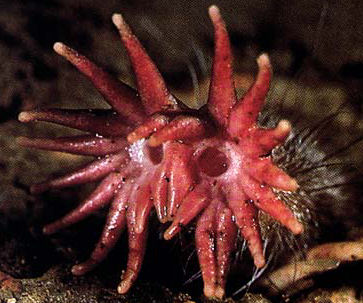
Despite the common name of the star-nosed mole (Condylura cristata), the 22 fleshy appendages at the end of its snout act more like an eye than a nose. These unique tentacles, or rays, are covered with more than 25,000 Eimer’s organs that hold over 100,000 nerve fibers (more than five times the number in the human hand) and are the most sensitive touch organs of any known mammal.

Given the mole’s poorly developed eyesight, the rays are far more useful for finding prey.

They are constantly moving and touching to identify what’s good to eat and what isn’t. Sensitive whiskers on the head and front feet also act as “feelers,” whether looking for food or navigating their way through dark underground tunnels.

close-up of the nose of a star-nosed mole
“mole-star-nosed-4” by Brandon Motz is licensed under CC BY 2.0

Found throughout much of eastern North America in low elevation areas with moist soils, star-nosed moles are one of three mole species found in Pennsylvania. Their preferred habitat consists of wetlands near streams, lakes, and swamps. The soft moist soil makes it easier to construct tunnels and underground chambers, and the mole’s short neck, powerful shoulders, and heavy claws make them efficient diggers. Shallow tunnels, often temporary, are used for traveling and foraging, while deeper, more permanent tunnels are used for resting, nesting, and escaping cold weather. Condylura is relatively safe from predators while underground but vulnerable to birds of prey, weasels, skunks, foxes, and snakes when out of their tunnels. 

The star-nosed mole is a voracious eater that consumes 50% or more of its body weight each day. More notably, it holds a Guinness World Record for the fastest eating mammal. 

Scientific studies have shown that Condylura can identify and eat prey in less than one-fifth of a second (200 milliseconds). That’s as many as five prey items per second, too fast for the human eye to follow.

Besides the worms, grubs, beetles, and other invertebrates found underground or on the surface, being near water gives them access to another hunting ground where they can find mollusks, aquatic insects, amphibians, and even small fish.

“star-nosed-mole-3” by gordonramsaysubmissions is licensed under CC BY 2.0.

Most moles can swim, but the star-nosed mole is the most aquatic of North American moles. 

Their dense waterproof coat and large paddle-like limbs make them well suited for swimming and diving. They’ve evolved to have twice the lung capacity of other moles, and their long tail, almost one-third the length of its body, acts as a rudder. More time is spent foraging in the water than on land, and they’ve been seen swimming under the ice in winter. This remarkable mole can even smell under water by blowing bubbles, then inhaling the same bubbles to capture the scent molecules inside. 

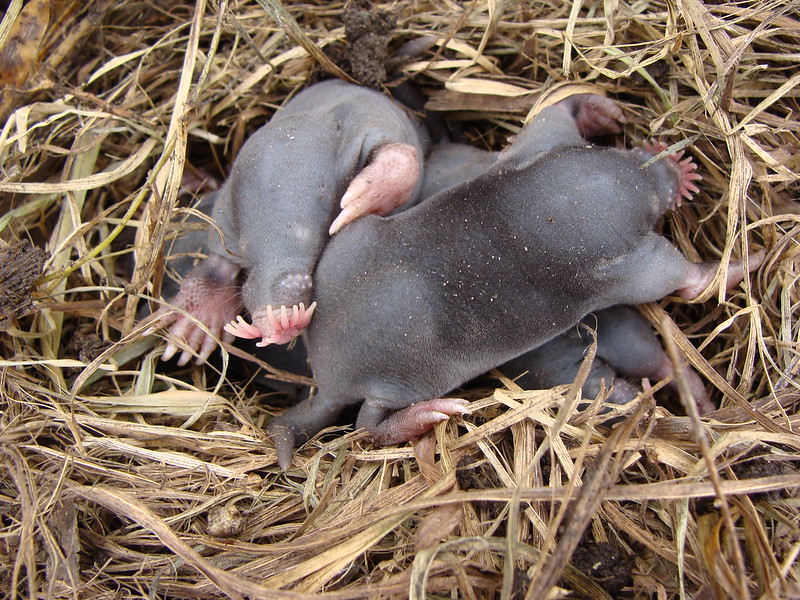
Not a great deal is known about the reproductive cycle of star-nosed moles. They’re more social than other moles, living in small colonies, and it’s believed that mating pairs stay together through the winter. Breeding season starts in early spring and the female produces only one litter a year, unless the first litter is unsuccessful. After a 45-day gestation period, two to seven pups are born in May and June. The newborns are blind and hairless with their tentacles folded against their snout. About two weeks later the eyes open and the tentacles unfurl and begin to function. The young develop rapidly and leave the nest after about four weeks, reaching full maturity at 10 months. The exact lifespan of this species is unknown but estimated to be 3-4 years in the wild.

“Baby star-nosed moles” by Hillbraith is Public Domain.

The extraordinary star-nosed mole stands out from other moles in many ways, and is certainly among the most unusual mammals in Pennsylvania. They’re not rare, but they’re not commonly seen even though they spend more time above ground than other moles. They’re active day and night, all year round, so keep your eyes peeled when you’re around water and if you’re lucky you might catch a glimpse of one.

Lisa Miriello is the Scientific Preparator for the Section of Mammals.

Related Content

The Woodchuck…or Groundhog?

Getting from the Fern Hollow Bridge to the Frick Family

World Pangolin Day 2023: The Mysterious Brain Bone

Carnegie Museum of Natural History Blog Citation Information

Blog author: Miriello, Lisa
Publication date: August 31, 2023

Share this post!

  • Share on Twitter Share on Twitter
  • Share on Facebook Share on Facebook
  • Share on Pinterest Share on Pinterest
  • Share on LinkedIn Share on LinkedIn
  • Share on Reddit Share on Reddit
  • Share via Email Share via Email

Filed Under: Blog Tagged With: Hall of North American Wildlife, liocf, Lisa Miriello, mammals, Science News

August 9, 2023 by Erin Southerland

Hummingbird Lessons

by Patrick McShea
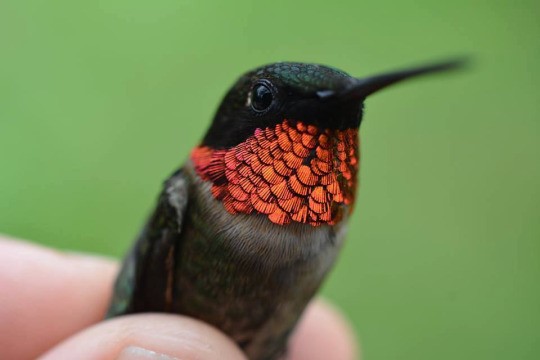
A male Ruby-throated Hummingbird is handled gently during the banding process.

Banding hummingbirds is a routine procedure at Powdermill Avian Research Center (PARC). Ruby-throated Hummingbirds are common summer residents throughout western Pennsylvania, including the Ligonier Valley where PARC facilities occupy nearly 25 acres of diverse habitat within Powdermill Nature Reserve, the 2,200-acre field research station of Carnegie Museum of Natural History.

During the spring and fall migration seasons, Ruby-throated Hummingbirds are almost always on the top 10 list for highest numbers captured and banded. During the breeding season, they are proportionally represented among the various birds captured. PARC’s ornithologists open fine mesh nets before dawn and check them at regular intervals for several hours afterwards, carefully extracting the birds and bringing them to the lab for data collection, then safely releasing them to the wild without harm. 

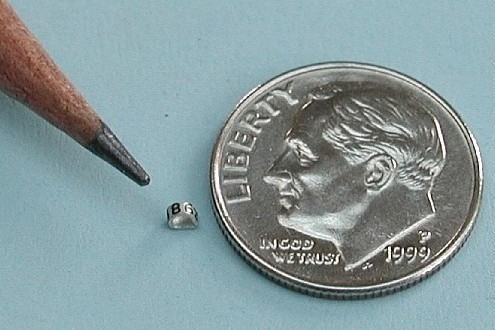
Hummingbird bands are so small that the customary nine-digit band number is reduced to five digits with a letter prefix.

On a Friday morning in late May, the capture, examination, banding, and safe release of one of these tiny, iridescent, long-billed birds was remarkable because of the extra observers involved. Two dozen seventh grade students from West Hempfield Middle School, part of a larger, two-bus contingent participating in a day-long science-focused fieldtrip, were eyewitnesses to the multi-step process. 

The wildlife encounter made such a strong collective impression on these students that two hours later, following a working demonstration of the flight tunnel used to evaluate bird-safe window glass, and lunchbreak on the Reserve’s Nature Center grounds, the background chatter of multiple conversations markedly diminished when I mentioned hummingbirds.

“We’ll start our hike shortly,” I announced to the group as they assembled in a forest clearing for the day’s concluding session. “But before we look at some plants along the trail and micro-habitats along the stream, we’re going talk more about hummingbirds.” 

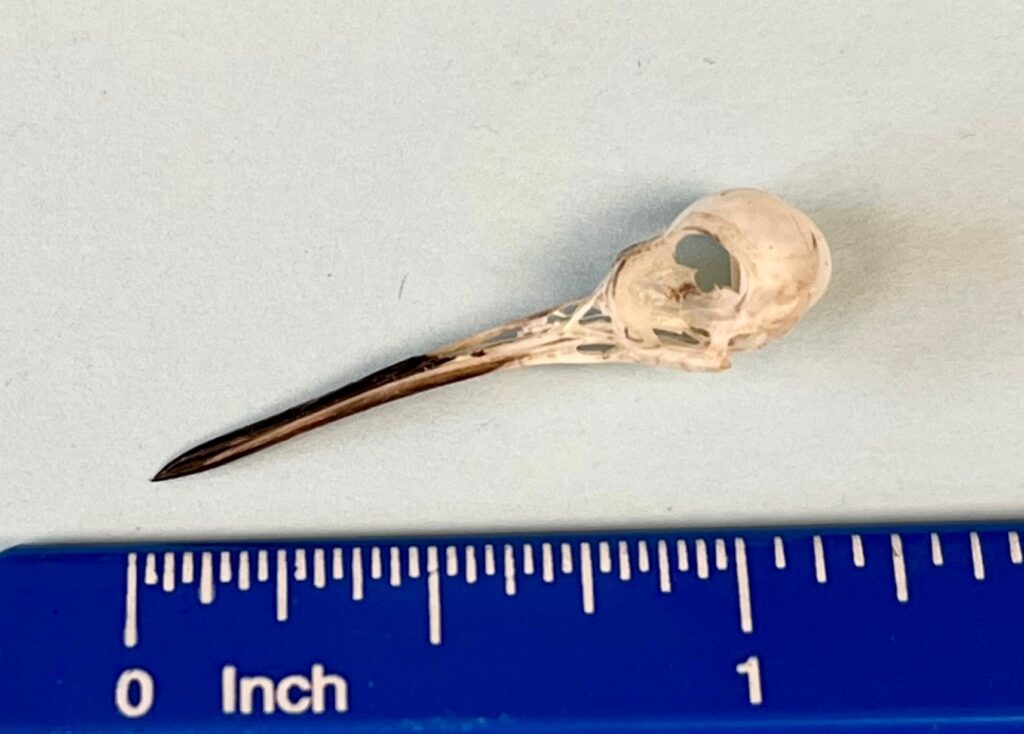
A Ruby-throated Hummingbird skull.

As a museum educator I frequently plan group opportunities for the close examination of authentic objects. In the case of the two-inch-long glass tube I then held aloft, an explanation of ground rules for the upcoming examination experience was required. The tube contained the skull of a Ruby-throated Hummingbird, and as I carefully removed the specimen and placed it in the palm of my right hand, I promised the students the same opportunity. “The skull can be safely exchanged by two transfer methods – gently dumping it from your open palm to your neighbor’s, or by picking it up by the beak and carefully placing it in the next person’s palm.” 

Our collective sharing was also presented as a group challenge. I concluded the handling instructions with an explanation about how this activity is normally reserved for teachers, rather than students, and the disclosure that with less than a week left in the school year, I considered them as reputably more responsible eighth graders rather than the seventh-grade class listed on the fieldtrip schedule. 

After placing the tiny skull in the palm of the student standing closest to me, I outlined for her and the waiting classmates a roughly 10-12 second procedure for an imaginative visual examination of the specimen. “Think about the bird you saw banded this morning. Consider the layers missing from the skull – the feathers, skin, muscles, and other tissues. Note especially, within the bone framework of the skull, the places where the eyes once were, space devoted to this creature’s sense of vision. And finally, before passing the skull to your neighbor, make a mental estimate of the space between the eyes, the nearly translucent bone case that contained the bird’s brain.”

Hand-to-hand circulation of the skull through the student group took a full seven minutes, time I spent relating information about Ruby-throated Hummingbirds from the Cornell Lab of Ornithology’s All About Birds website. Important points included how the species’ diet includes far more than nectar, with mosquitoes, gnats, fruit flies, small bees, and spiders being well documented prey items, and how six to ten days of construction work by the female bird results in an inch-deep, two-inch diameter, branch-top nest lined with plant down, held together with spider silk, and for concealment purposes, shingled with lichen chips. Migration was also addressed, with the statement that the hummingbird banded during the morning session might have just returned to western Pennsylvania after a winter spend as far south as Costa Rica. 

“My estimate, when I look at the hummingbird skull,” I volunteered, “is that the bird’s brain is the size of a couple grains of rice. What I find amazing is how that tiny brain can steer the bird over or around an enormous obstacle between where we’re standing now and the forests of Costa Rica – the Gulf of Mexico.”

When the hummingbird skull, no worse for a carefully conducted activity’s wear, was safely stowed in my shirt pocket, the trail hike to the edge of Powdermill Run proceeded.  A stand of trout lily, the mud chimney of a crayfish burrow, and the distinctive tree cavity chiseled by a Pileated Woodpecker were scenery highlights, but it was a discussion of Powdermill Run’s waters that reinforced the day’s hummingbird theme.

After a streamside question and answer session raised the level of understanding of aquatic food webs, and explanations were shared about how diverse invertebrate lifeforms are indicators of clean water, I brought up the question about where the flow in front of us was heading. Through question and response, one waterway supplying another, we assembled a continent-wide watershed, from Powdermill Run to the Gulf of Mexico, as one student called from the back of the group, “The territory crossed by a migrating hummingbird.”

Patrick McShea is an Educator at Carnegie Museum of Natural History.

Related Content

Tracking Migratory Flight in the Northeast

Ruffed Grouse or Scarlet Tanager: Debating the Pennsylvania State Bird

Building Birding Skills

Carnegie Museum of Natural History Blog Citation Information

Blog author: McShea, Patrick
Publication date: August 9, 2023

Share this post!

  • Share on Twitter Share on Twitter
  • Share on Facebook Share on Facebook
  • Share on Pinterest Share on Pinterest
  • Share on LinkedIn Share on LinkedIn
  • Share on Reddit Share on Reddit
  • Share via Email Share via Email

Filed Under: Blog Tagged With: Birds, liocf, Pat McShea, Powdermill Nature Reserve, Science News

August 4, 2023 by Erin Southerland

Staff Favorites: Dolls in the Museum’s Care

by the Section of Anthropology and Archaeology Staff and Volunteers

With the pink wave that is Barbie sweeping the theaters, we thought it would be a good opportunity to spotlight our doll collection. The Anthropology collection at CMNH holds more than three thousand dolls and it is our pleasure to take care of them. Historically and anthropologically speaking, dolls have always served cultural, spiritual, and societal purposes. Whether for entertainment, religion, or education, they can be found all over the world and have been around for thousands of years.

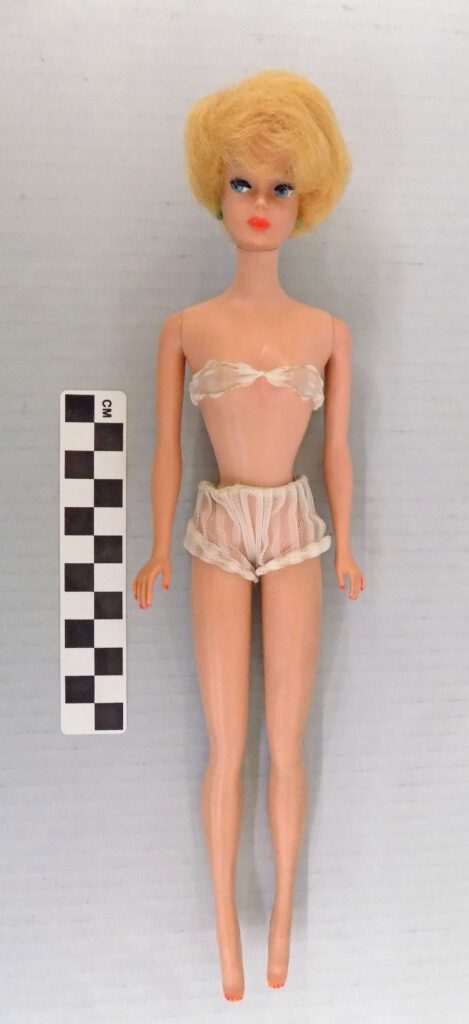
Barbie

Barbie doll
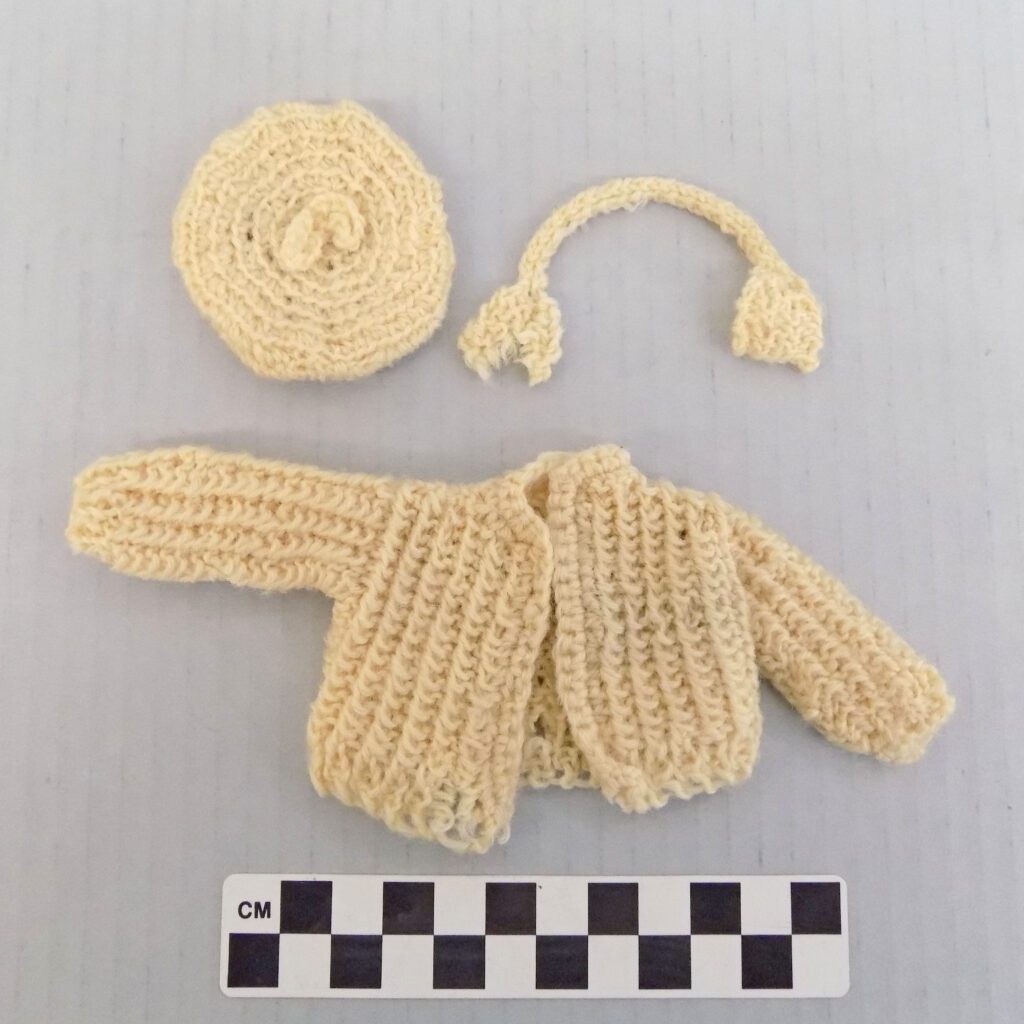
White hat, earmuffs, and sweater for a Barbie doll
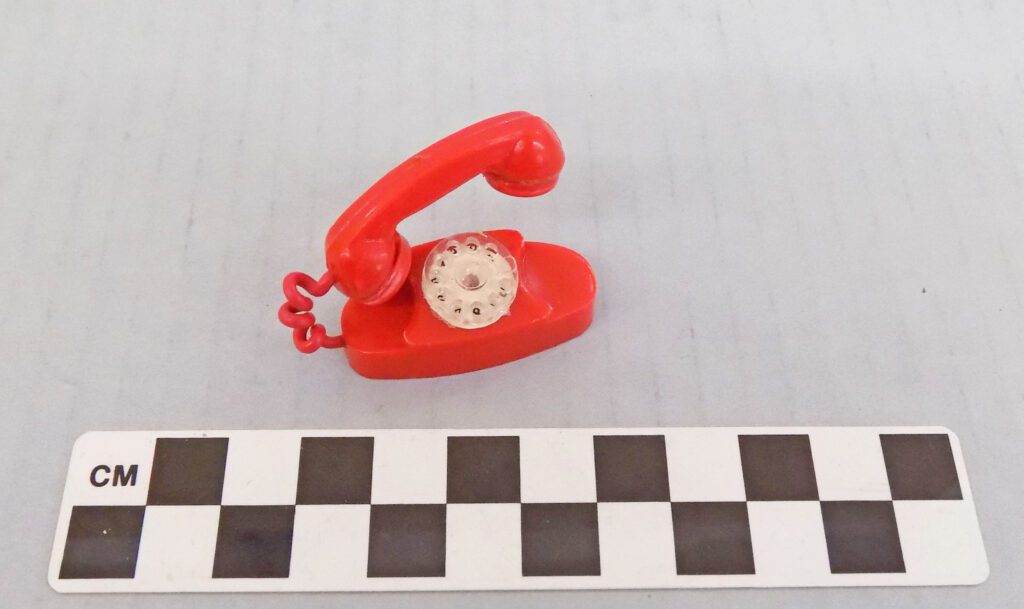
Barbie-sized red rotary telephone

“Hi Barbie! Until recently, our doll collection lacked any traces of Barbie. Then a close friend of the Section of Anthropology was kind enough to not only donate their beloved original doll but also the clothing that they had sewn for her. Barbie and Ken, as an astronaut, a rock star, a pregnant Midge, beach, or any other iteration, have impacted the lives of millions. Sadly, there has not been an archaeologist Barbie but the best part about playing with dolls is that I can easily pretend that the paleontologist version is diligently studying human culture instead of dinosaurs (Sorry, Dr. Lamanna). 

Individuality has always been important to me, so I have always been the biggest fan of Weird Barbie, upon whom I did my fair share of hair cutting and marker tattooing. And while we have only one Barbie at CMNH, we have plenty of other dolls in the collection that our staff and volunteers have chosen to write about. Please enjoy some of our favorites.” –Amy Covell-Murthy, Archaeology Collection Manager and Head of the Section of Anthropology

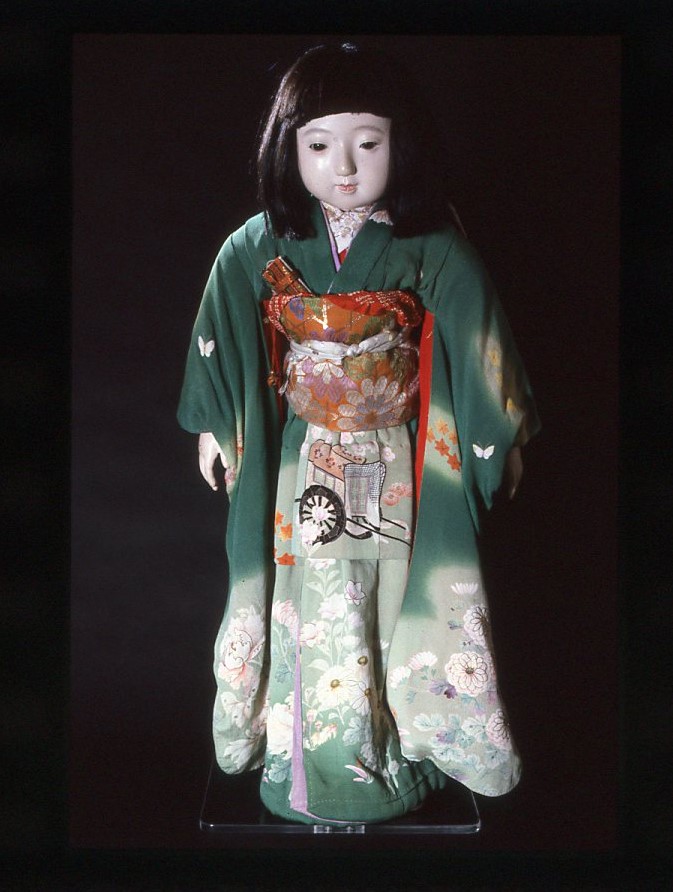
Miss Kochi the Friendship Doll

On January 14, 1929, complete with passport, steamer ticket, and a trunk full of accessories, Miss Kochi the friendship doll arrived in Pittsburgh to her new home at the museum. Representing the children of Kochi, the southernmost prefecture on the island of Shikoku in Japan, Miss Kochi crossed the Pacific  with 57 other friendship dolls who went to various cities within the United States. 

Created as part of a doll exchange program between the children of Japan and the U.S., Miss Kochi and her sister dolls were lovingly made with the hope of promoting peace between the two countries in the years leading up to World War II. Crafted by some of the most respected doll makers in Japan, the ambassador dolls, as they were also known, are all 85cm high. They have moveable arms and legs and real human hair. Each is dressed in a colorful kimono made of pure silk and accompanied by lacquered tea sets, furniture, and other accessories used in the celebration of Hinamatsuri, or Doll’s Day. Miss Kochi is dressed in a beautiful, embroidered, emerald green kimono with a red sash. 

“Miss Kochi is one of my favorite dolls in the collection because I love all the care and detail that was put into her outfit and tiny accessories. Additionally, the message of friendship and kindness that motivated her creation and eventual journey to Pittsburgh is charming and inspiring.” –Kristina Gaugler, Anthropology Collection Manager

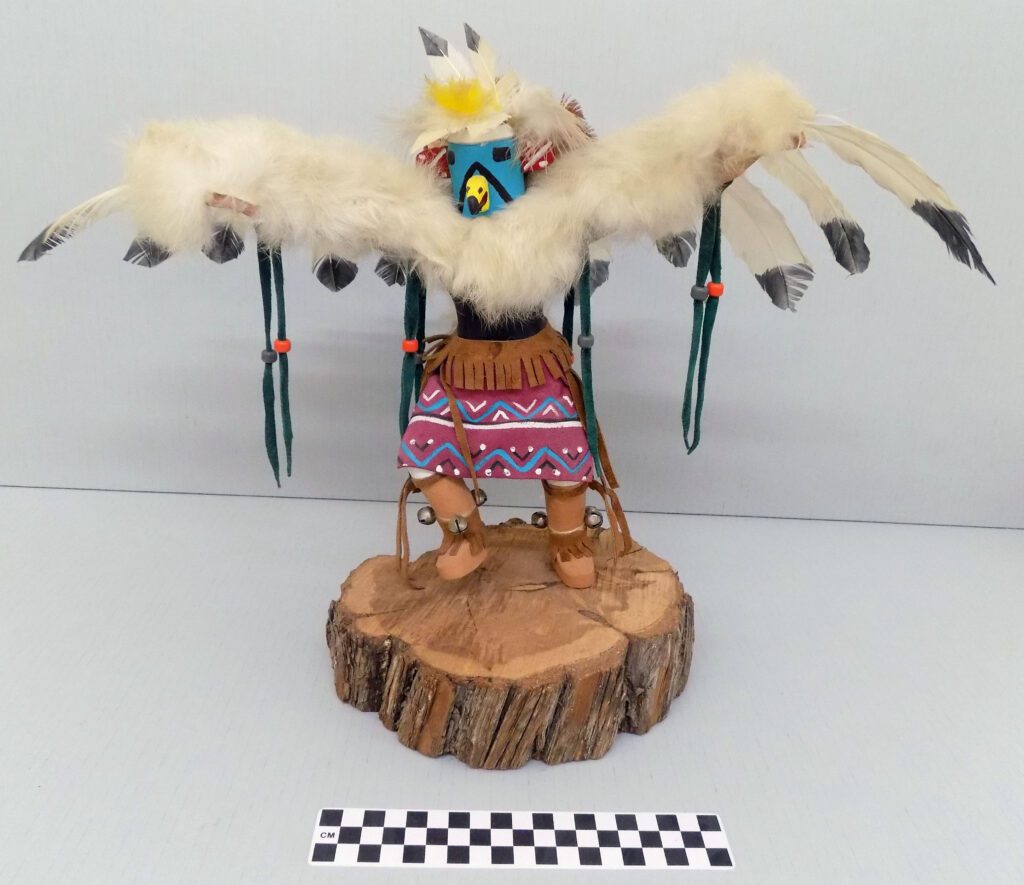
Eagle Kachina

eagle katsina

The Eagle Kachina holds special significance to both the Hopi and Zuni people, representing important spiritual and cultural aspects in their respective traditions.

To the Hopi people, the Eagle Kachina is considered a powerful and sacred being. It is associated with spiritual strength, protection, and a close connection to the divine. The eagle is revered for its ability to soar high in the sky, reaching great heights, and is seen as a messenger between the earthly world and the spiritual realms. During Hopi Kachina ceremonies, the Eagle Kachina is often portrayed by a dancer wearing an elaborate costume and a mask representing the eagle’s features. The dancer embodies the spirit of the Eagle Kachina and plays a significant role in ceremonial dances. 

For the Zuni people, the Eagle Kachina, also known as “Ko’kko,” holds similar importance. The Zuni Eagle Kachina represents the embodiment of the eagle spirit and is venerated for its connection to the heavens and its role as a messenger to the gods. The Zuni people view the Eagle Kachina as a symbol of power, courage, and wisdom, and it plays a crucial role in their rituals and religious practices. Like the Hopi, the Zuni also create intricate Kachina dolls, including the Eagle Kachina, as sacred objects representing the spirits and their significance in Zuni culture.

“I like the Eagle Kachina doll as it signifies all that is important to me as it is to the Hopi and Zuni, the spiritual connection to the natural world.”—Jim Barno, Archaeology Volunteer

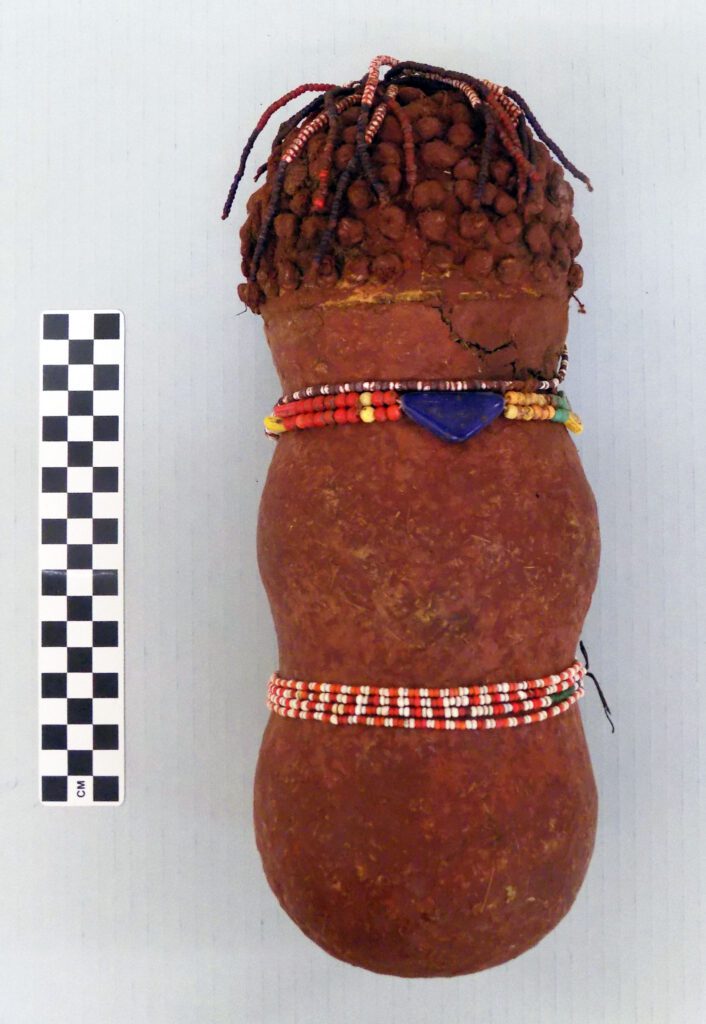
Calabash Gourd Doll

calabash gourd doll

To make this doll, a Tonga woman or girl from a village near Lake Kariba in Zimbabwe, would have filled calabash gourds with sand, seeds, or stone, and covered the gourds with mud, dung, and leaves, before decorating them with strands of beads. Dolls like this one were made by or given to Tonga girls around the ages of 10 to 13, as they approached puberty. The doll came into CMNH’s collection in 1967 as one of many objects from the Tonga people obtained through trade by Terence Coffin-Grey, a taxidermist who worked in natural history museums in Zimbabwe and the U.S., including at CMNH. This doll’s “hairstyle,” with tight balls made of mud and strands of beads, resembles that of some Tonga women of the time, based on photographs shared with CMNH by Coffin-Grey. CMNH has several other similar dolls of different sizes, shapes, and decorations, including some with fabric skirts.

“I chose this doll based on the recommendation of Amy Covell-Murthy and was immediately charmed and intrigued when I saw it. When I held it, I was struck by the weight of it, and I loved learning about this practice of doll-making shared between women and girls in a matrilineal society.” –Deirdre M. Smith, Assistant Curator

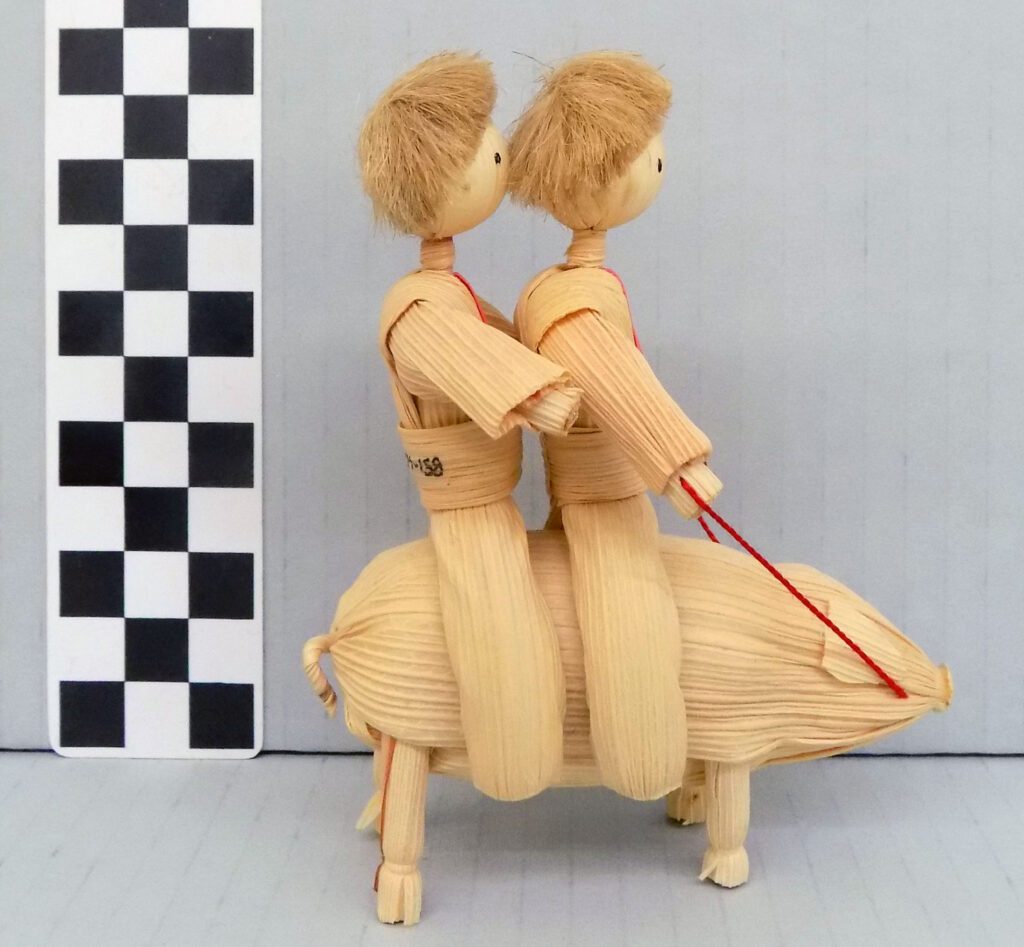
Talash Doll

Talash and corn cob dolls

We are all a part of nature. Our ancestors created dolls for children using the natural materials around themselves. The tradition of making dolls from talash, the leaves wrapped around a corn cob, dates back many generations.

Talash is a very interesting material that is easy to work with, and the products made from it are very warm and beautiful. The husks of the corn would be removed in the fall after harvesting the corn. They would then be dried and stored in a dry place. The leaves come in different colors and shades, from white to brown. If necessary, the leaves could also be painted, sometimes with dyes made of onion peel or food coloring. To begin weaving, the middle leaves of cobs are often preferred for their strength and flexibility so as not to tear. The husks are also moistened with water to help give them more elasticity. The length of the strip up to 1 cm is in the middle. Strips that are uneven or ripped would be discarded.

This doll is of boys riding a pig, which highlights ordinary country life in a European village. Eastern Europe has a lot of rivers such as the Danube, Vistula, Dnipro, and others. The territory near the rivers is very large, and kids would help relatives graze pigs on these meadows, while also occasionally playing with them. 

“This doll showed me how people create interesting toys with simple natural things. This is part of our deep roots and traditions in Eastern Europe. I also like the fairy tale by Hans Christian Andersen called Swineherdand (The Swineherd), and for me this doll is reminiscent of that story.”—Lidiia Zadorozhna Ruban, Anthropology Library Volunteer

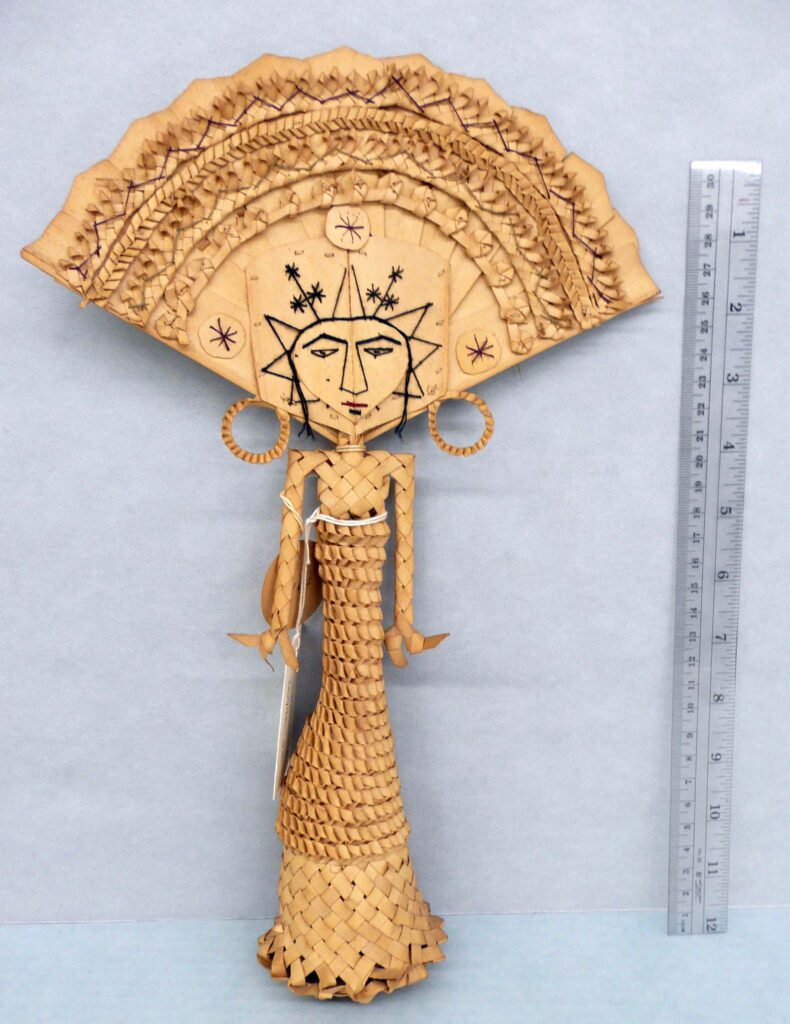
Balinese Tjili Doll

Balinese Tjili doll

This Balinese Tjili doll came to be a part of the Carnegie collection in 1980 through the donation of Dr. Betty J. Meggers, an international doll collector. Made in the image of Dewi Sri, Indonesia’s goddess of rice and fertility, figures like this doll symbolize fruitfulness and good harvests. 

“This doll caught my attention because of her intricate woven design and large, fan-like headdress that radiates like a setting sun. I believe her story shows how dolls can serve so many purposes and are beloved by different cultures all around the world.”—Lily Heistand, Anthropology Volunteer

Folklórico Dancer

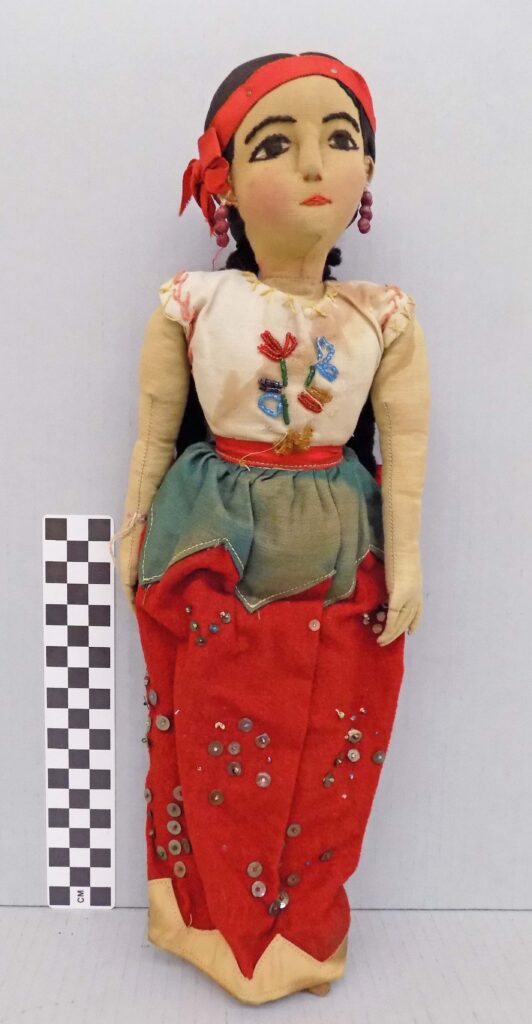
folklorico dancer doll
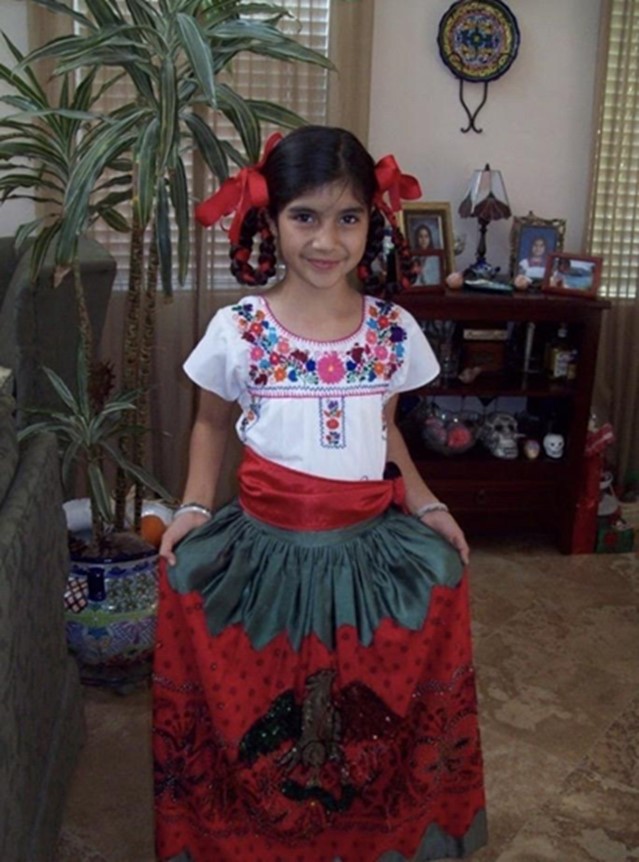
Young Matí wearing same dress style

This doll is a folklórico dancer! Made in Cuernavaca, Morelos, México, this doll joined the museum’s collection as a donation in March of 1950. She is made of wool and cotton and has black braids (trenzas folklóricas), a white embroidered blouse (blusa bordada), and a sequined red and green skirt (china poblana). All these components make her instantly recognizable as a ballet folklórico dancer (folk dancer). Her skirt is designed after one of the most recognizable traditional styles of dress in Mexico, la china poblana. China poblana skirts tend to be heavy as they are made with layers of embroidery using sequins and beads to depict the Mexican coat of arms of the eagle perched on a cactus with a snake in its mouth. Historically, this style of dress was popular in the state of Puebla, but nowadays it is typically worn by dancers when performing El Jarabe Tapatío, which is a dance from the state of Jalisco and México’s national dance. 

“I chose this doll because she beautifully represents my culture and my family. My abuelita embroidered a china poblana skirt that my mom performed in, and years later I also danced in it. This doll represents a tradition that ties together three generations of women in my family and the beauty of our cultural traditions.”—Matí Castillo, Fine Fellow, University of Pittsburgh

Angel of Mercy

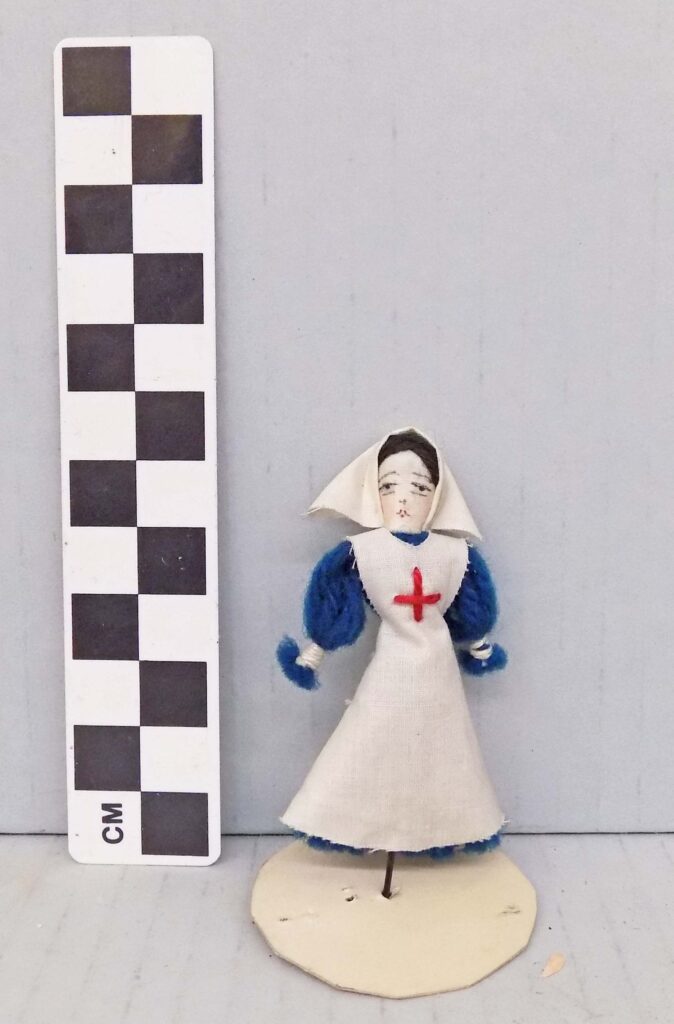
Canadian Angel of Mercy doll

This doll is an “Angel of Mercy.” This nickname was affectionately given to the unsung heroes of the Great War, the nursing sisters, who worked long gruesome hours and attended to the needs of injured soldiers. The casualties of World War I were extensive, but the nurses worked tirelessly to aid in wound cleaning, bacterial-growth prevention, and even assist in emergency surgeries all while fearing for their own wellbeing. This doll was donated in 1918 by Mrs. Virginia Hayes Osburn along with many other ‘war woolies.’ These war woolies were dolls that were made by the Canadian Red Cross Vancouver during the Great War. According to the British Red Cross Museum and Archive, these “wooly” dolls were crafted by the Vancouver Prisoners of War Branch of the Canadian Red Cross to fundraise during World War I.

“I chose this Canadian Red Cross Nurse doll because though she is miniature, her face was expressive, and I wanted to research more about her because the other war woolies she was housed with were depictions of English monarchs; I wanted to tell her story as an unsung female hero of the Great War.”—Caitlin Erb, St. Laurance University Post-Baccalaureate Intern

A. Marque Character Doll

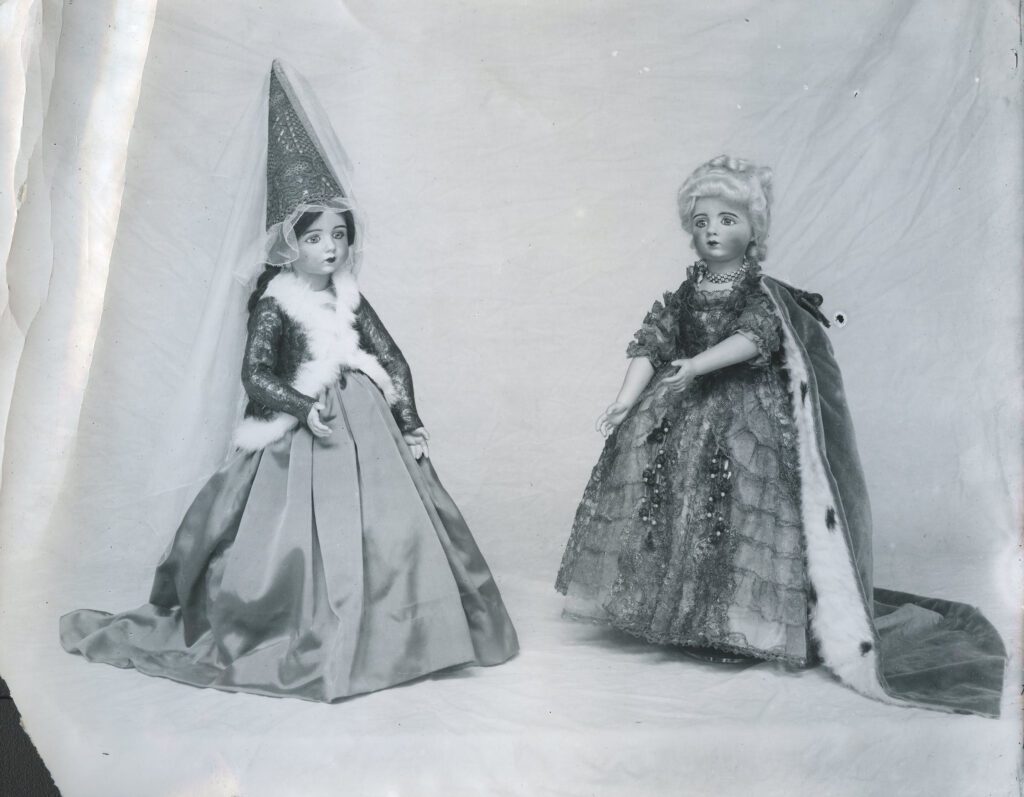
black and white photo of two character dolls
Isabeau de Baviere doll

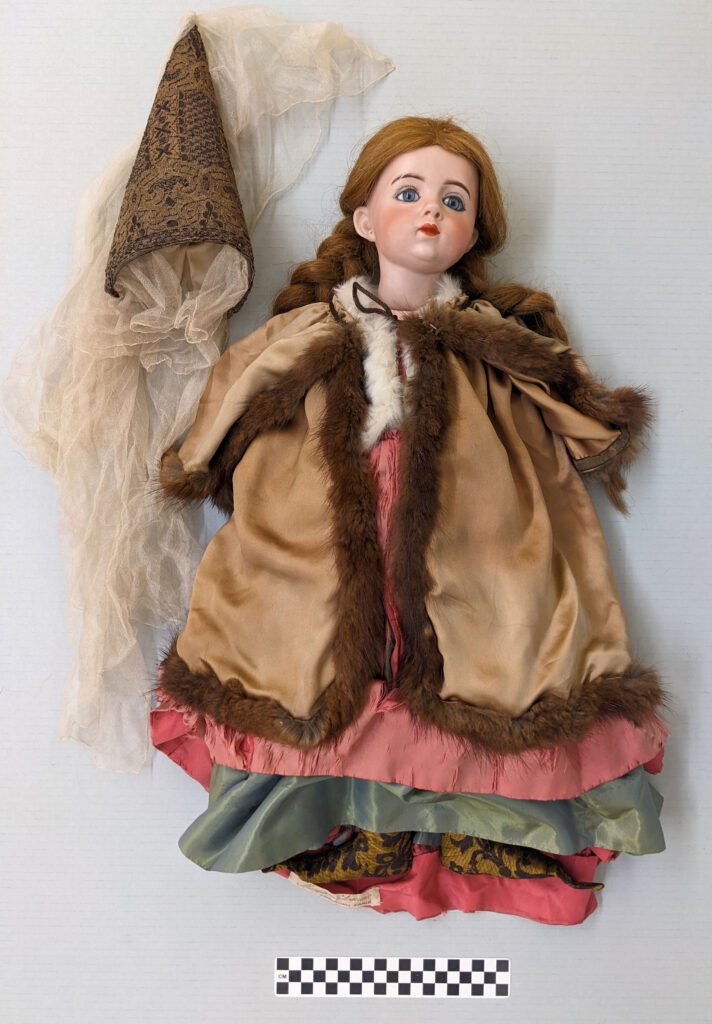
Fashion icon Isabeau de Bavière is one of the five queens that made their way to Carnegie Museum in 1916. After seeing a French character doll exhibit in the Metropolitan Museum in 1915, Herbert DuPuy wrote to the Director of Carnegie Museum, Dr. W.H. Holland, suggesting the addition of such wonderfully crafted dolls into Carnegie’s collection. Less than a year later, five A. Marque and thirty-five other character dolls from the Paris doll company S.F.B.J were part of the museum. 

Isabeau is a rare A. Marque bisque doll, fashioned after the queen of France reigning from 1371-1435, and dressed by the famous couture artist Margaine Lacroix. She gives a glimpse into the accurate historical fashion of the late fifteenth-century nobility. From her undergarments to the recognizable pointed hennin hat of the Medieval period, Isabeau directly copies portraits of the queen. 

“I chose this wonderful doll because of her fascinating history and design; the A. Marque dolls are some of the rarest dolls the museum currently owns, and one of my favorites to admire.”—Elizabeth R. Dragus, Anthropology Volunteer 

Kwakwa̱ka̱ʼwakw Woman

Kwakwa̱ka̱ʼwakw Woman doll
Kwakwa̱ka̱ʼwakw Woman doll back

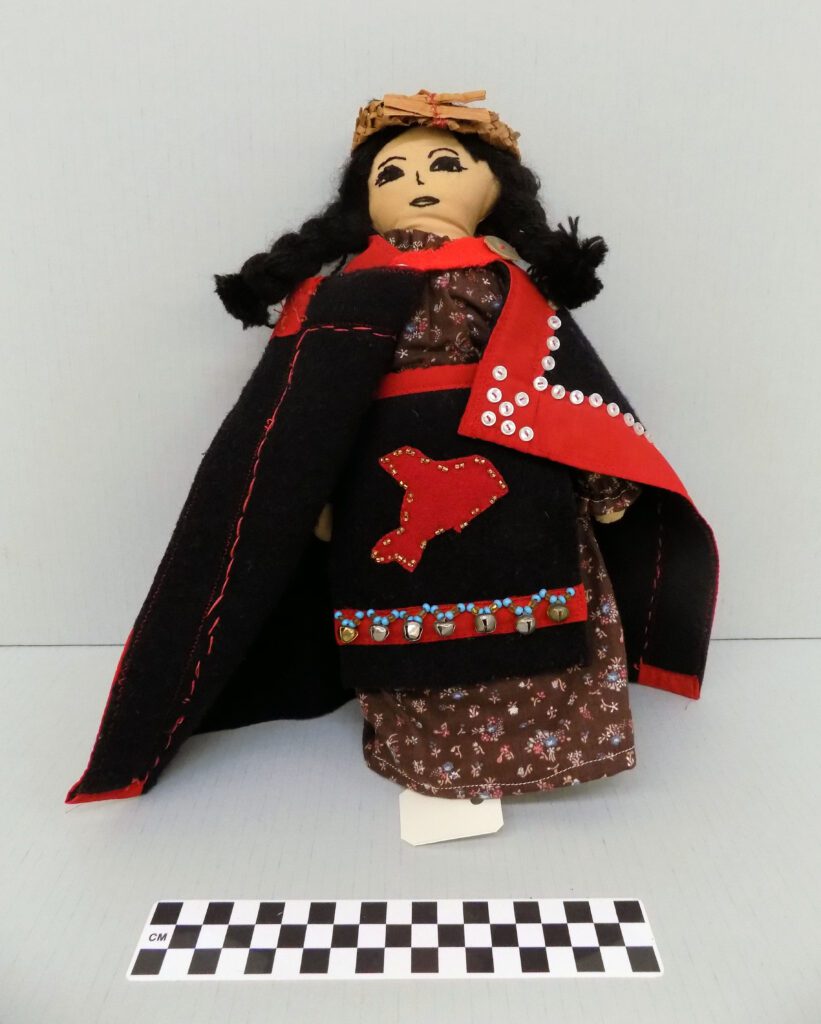
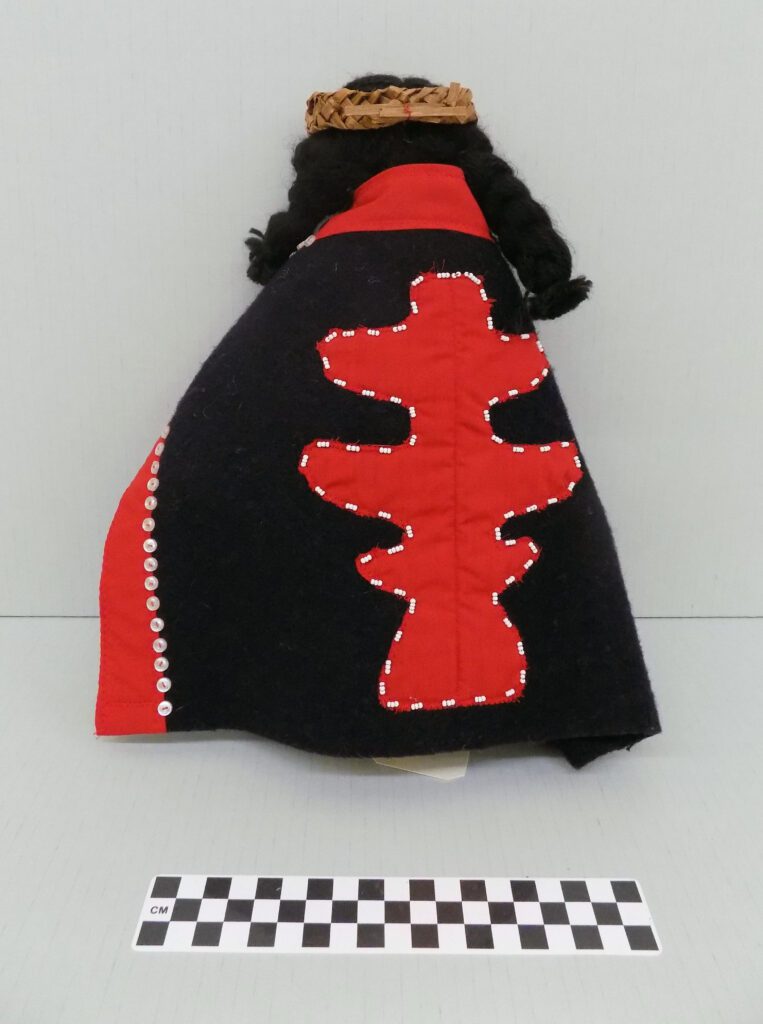
The Kwakwa̱ka̱ʼwakw Woman doll was donated by James B. Richardson III, (Carnegie Museum Anthropology Curator Emeritus), in memory of his mother Miriam Davenport Richardson. The doll was made by Debra Bell of the Nimpkish Band of the Kwakwa̱ka̱ʼwakw Nation located in Alert Bay, British Columbia. Debra Bell is one of a very few Northwest Coast Indigenous female doll makers. On a research expedition for Carnegie Museum of Natural History’s Alcoa Hall James Richardson purchased this doll in 1992.

Embroidered on the wool felt blanket is a “Tree of Life” design, symbolic of the coniferous forests of the Pacific Northwest which are full of Sitka spruce, Douglas fir,  yellow cedar, and western red cedar. Collectively, these tree species are the sustenance of Indigenous people, providing lumber for homes, fire for heat, homes for birds, and shelter for mammals. They also sustain waterways and breathe oxygen into the air.

A plaited cedar bark wreath adorns the doll’s head. Yellow cedar is considered the finest cedar in the region and used in traditional ceremonial objects. The tree is found in deep porous soil on slopes, around lakesides, and within estuaries. The oral history of yellow cedar in Northwest cultures derives from this story; “Raven asked a few young women what forest creature they were afraid of. The women replied, ’none.’  Raven then asked if the women were afraid of owls. The women exclaimed, ‘Yes, [they] were terrified of owls!’ Raven (being known as a trickster) hid in some bushes making owl sounds. The young women went running up the slopes. That is why yellow cedar is only found on slopes.” 

Most Northwest tribes believe humans can transform into animals and back again. The red felt killer whale applique embroidered with pairs of amber glass seed beads on the doll’s dress symbolizes one of these stories of human transformation. The killer whale is known as Natsilane and believed to be part of Earth’s creation. Natsilane was drowned by his brothers who wanted control of the world. Left to die, Natsilane was rescued by a sea otter and restored to his legitimate place as leader. Natsilane helped the sea otters find the safest hunting waters in return for saving his life.

The Northwest Coastal native Americans have a fiercely independent culture steeped in storytelling and deeply rooted in the infinite wisdom of nature.  All these attributes can be noted when viewing the Kwakwa̱ka̱ʼwakw Woman doll.

“I was taken by this doll’s face staring out from her collection box with blue glass paperweight eyes and painted eyelashes for numerous reasons. I had lived in Oregon and Washington states for a few years and was always caught by the breathtaking beauty of shorelines and forests. The doll reminded me of that majestic landscape in her blue wool button blanket. Although the button blanket did not appear in the Northwest culture until colonization, the deep color of the wool is reminiscent of the sea and sky in the area.”—Georgia Feild, Archaeology Volunteer and Museum Educator II   

Meskwaki Man

Meskwaki man doll in traditional clothing

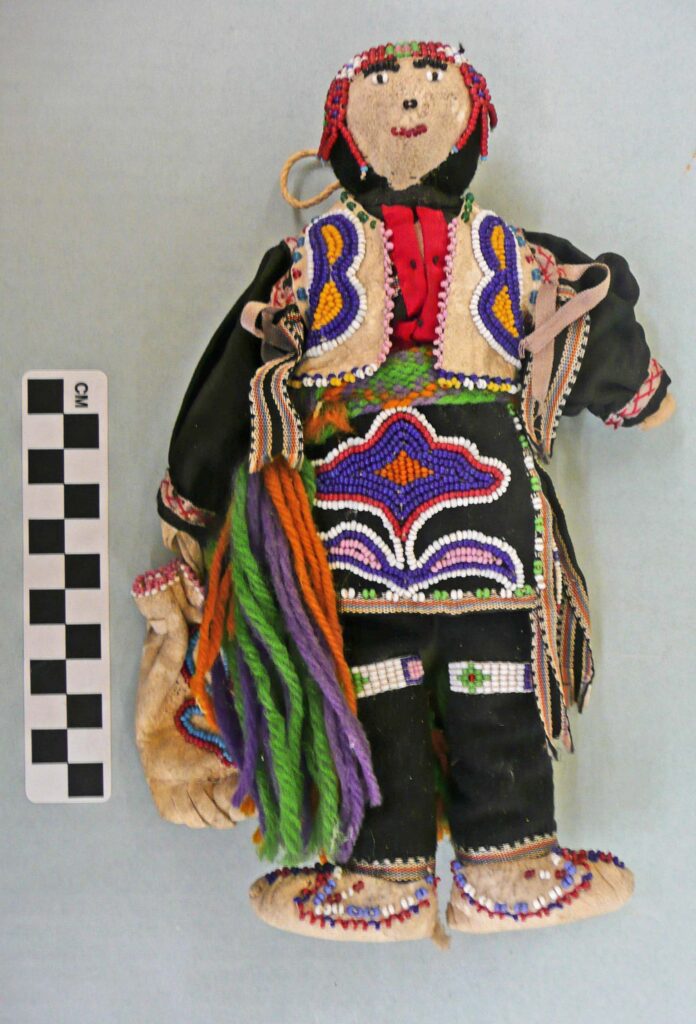
“My favorite doll in the collection is the Meskwaki man in traditional clothing, probably made in the 1920s. Part of what caught my eye was the attention to detail. 

The man’s head, moccasins, and bag are made from brain-tanned deerskin, with simplified traditional sewn beadwork designs. His beaded headband is loom-woven, and his body is sewn of cotton muslin. 

He has a satin shirt with silk ribbons [like the ribbon shirts worn today], and wool trousers under his beaded aprons. Originally, men wore loincloths, beaded for special occasions, which evolved into aprons in the last half of the 19th century as men started wearing trousers. 

My favorite part of the outfit is the finger-woven sash. Finger-weaving is a form of oblique interlacing, a sort of wide, flat braid. I was first introduced to finger-weaving in the late 1960s, when I made finger-woven sashes in my dorm room for all my hippie college friends. Finger-weaving was and is found all over eastern North America, where the technique is used to create sash belts, garters, and bags. Colors, designs, and techniques differ in the different cultural areas. The people in the upper Midwest made wide bands which the men wrapped around their heads like turbans and adorned with feathers. [Southeastern men also wore turbans with feathers but preferred to use silk shawls.]

The earliest recorded piece extant of the technique comes from the Craig Mound in Spiro, Oklahoma, and dates to around 850-1450CE. It is currently in the collections of the National Museum of Natural History, Smithsonian Institution.”—Deborah Harding, Anthropology Collection Manager Emeritus 

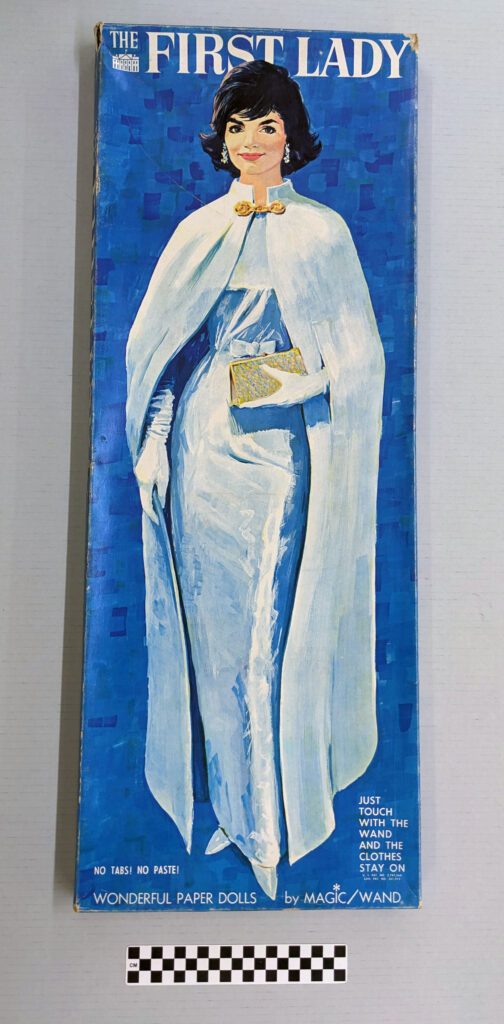
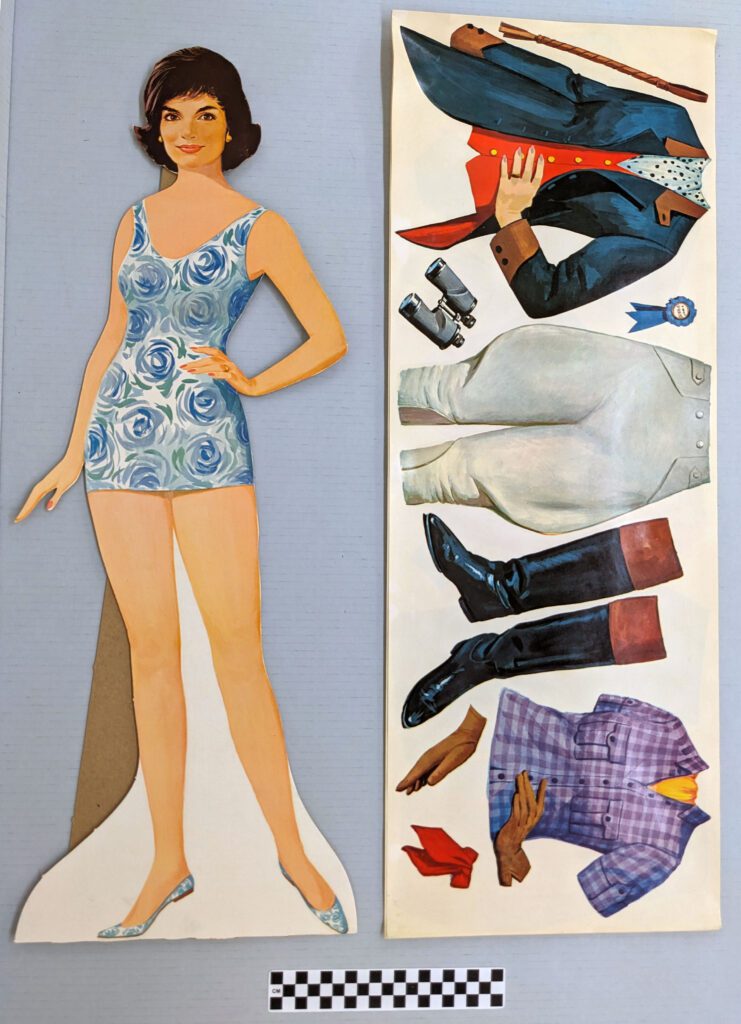
First Lady Paper Doll

box for a First Lady paper doll
first lady paper doll

This supersized paper doll depicts fashion icon and First Lady Jackie O. It was donated by Dr. Betty Meggers. She and her mother collected dolls from around the world beginning at least as early as the 1930s. She donated more than 1,000 to the museum. As you can see from the box, this paper doll used a “magic wand” to keep the clothes on the doll – no tape or paste required!

“I used to love dressing, playing with, and making paper dolls. I chose paper dolls because they are universally accessible, all it takes to create one is paper and imagination. Manufactured paper dolls come from all over the world and provide people with the opportunity to see, play with, and learn about all different types of people, jobs, and cultures. They are also great for kids like me, who really love fashion. My grandma Kelley had a wonderful set of dolls and paper dolls that I would play with whenever I went to her house. I love the freedom of being able to dress the dolls however I wanted, to change their hair and outfits, and even to design new outfits of my own.”—Lisa Haney, Assistant Curator, Egypt on the Nile

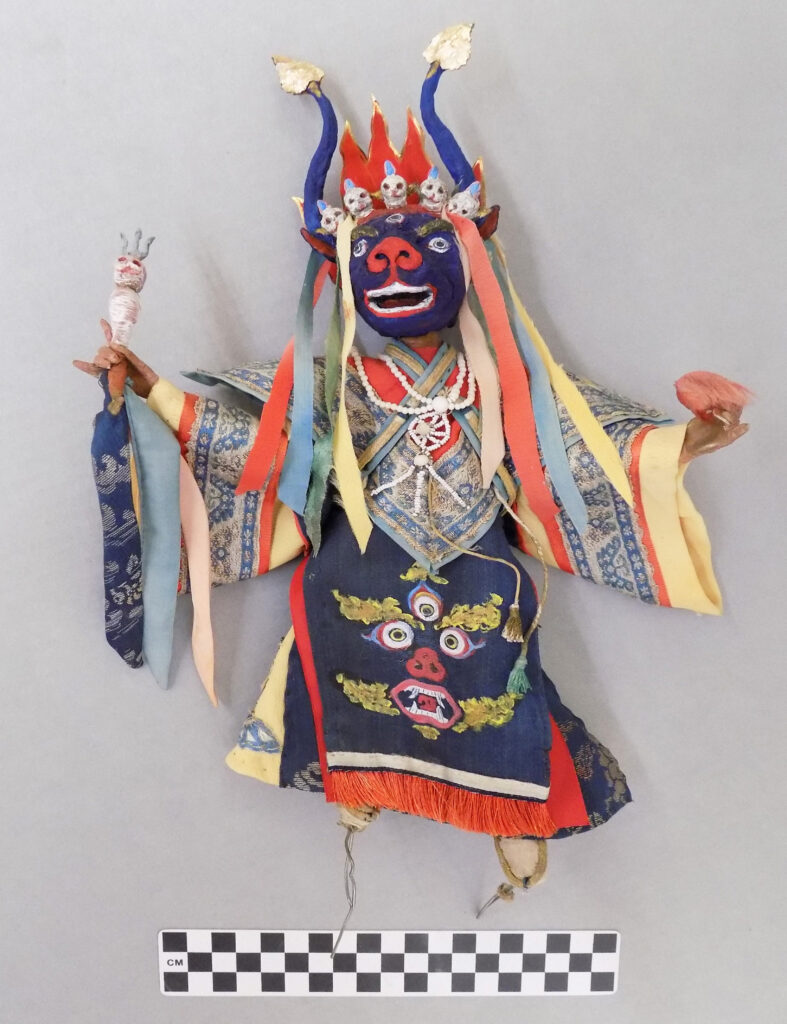
Tibetan Buddhist Doll

colorful doll of Yamantaka, Destroyer of the God of Death

Yamantaka, “Destroyer of the God of Death.” Not exactly a character you’d think of making into a doll to be used as a plaything, something to cuddle, or as a tool to teach children how to care for babies. However, to practitioners and students of Tibetan Buddhism, this type of doll serves as a visual reminder of the history, values, and lessons that are core to the culture. Although doll-making isn’t a traditional art form in Tibet, Yamantaka shows up in many other visual forms of Tibetan Buddhist art. This unusual doll from the museum’s collection showcases some handicrafts that aretraditional to the culture such as garment-making, tapestry, sculpting, painting, and beading.

Who was Yamantaka and why make a doll of him? The short version of the story is that there was a monk who became wrathful and took on the form of an enraged water buffalo. He caused death and destruction all over Tibet and became known as Yama, The God of Death. The people prayed for someone to stop him and restore peace. A bodhisattva (a deity who helps people) transformed himself into the form of an even bigger, scarier water buffalo to find Yama and convince him to change his ways. By stopping the God of Death, the bodhisattva became known as Yamantaka, the Destroyer of the God of Death. Yamantaka showed mercy on the repentant monk and reminded him to live by the Buddhist principles of compassion, self-control, detachment from ego, and wisdom-seeking. By exemplifying these qualities and restoring peace, Yamantaka was regarded as a protector of Buddhism. A legendary superhero. Someone deserving to have a doll, or rather an action figure, made in his likeness for future generations to aspire to.

“This doll stood out to me at first glance because of its vivid, striking visual impact. Then, as you let your eyes coast over all the details, you become aware that it is just as nuanced as it is bold. For example, the subtle metallic tips on the flames are equally important as the formidable facial expression. For every single thing you see there’s more to the story, and it’s probably not what you’d expect. The doll’s purpose was to preserve, teach, and remind people of the culture. Indeed, it inspired me to seek out and learn about the significance of Yamantaka’s story and, by extension, Tibetan Buddhist traditions and beliefs.”  -Jillian Hanna, Anthropology Volunteer 

Bye Barbie!

Many of our dolls have been used to augment traveling exhibitions and have served as research subjects. It is our great honor to care for them and learn from them. The next time you visit the museum, don’t forget to stop by the Alcoa Hall of American Indians and look for our dolls that are currently on exhibit. 

Related Content

Bringing a Little O-Gah-Pah to Pittsburgh

New Vision of Old Rock Art

Grass Baskets of the Chumash

Sources Consulted

 CMNH accession records

Transformations: Salmon, Bear, Raven, and Humans

Tonga, Britannica.com

Taxidermy Hall of Fame

Bruce Frank Primitive Art

Stichting Nationaal Museum van Wereldculturen

Tibetan Buddhist Art

The Rise of Yamantaka, Destroyer of the Lord of Death

British Red Cross. (2010). Small woolen doll dressed in French military uniform. British Red Cross collection online. https://museumandarchives.redcross.org.uk/objects/8999   

Flexon M. Mizinga, “Marriage and Bridewealth in a Matrilineal Society: The Case of the Tonga of Southern Zambia, 1900-1995,” African Economic History 28 (2000): 53-87.

Malaika P. Yanou, Mirjam Ros-Tonen, James Reed, and Terry Sunderland, “Local knowledge and practices among Tonga people in Zambia and Zimbabwe: A review,” Environmental Science & Policy 142 (April 2023): 68-78.

Wilfrid Laurier University. (2015). Angels of Mercy: Canadian Nurses in the Great War. Youtube. Retrieved July 27th, 2023. from https://www.youtube.com/watch?v=0zITLh6jPYY

Carnegie Museum of Natural History Blog Citation Information

Blog author: Covell-Murthy, Amy; Gaugler, Kristina; Barno, Jim; Smith, Deirdre M.; Zadorozhna Ruban, Lidiia; Heistand, Lily; Castillo, Matí; Erb, Caitlin; Dragus, Elizabeth R.; Feild, Georgia; Harding, Deborah; Haney, Lisa; Hanna, Jillian
Publication date: August 4, 2023

Share this post!

  • Share on Twitter Share on Twitter
  • Share on Facebook Share on Facebook
  • Share on Pinterest Share on Pinterest
  • Share on LinkedIn Share on LinkedIn
  • Share on Reddit Share on Reddit
  • Share via Email Share via Email

Filed Under: Blog Tagged With: Amy Covell-Murthy, anthropology, Kristina Gaugler, Lisa Haney, Science News, SWK2

July 17, 2023 by Erin Southerland

Tracking Migratory Flight in the Northeast

by Patrick McShea
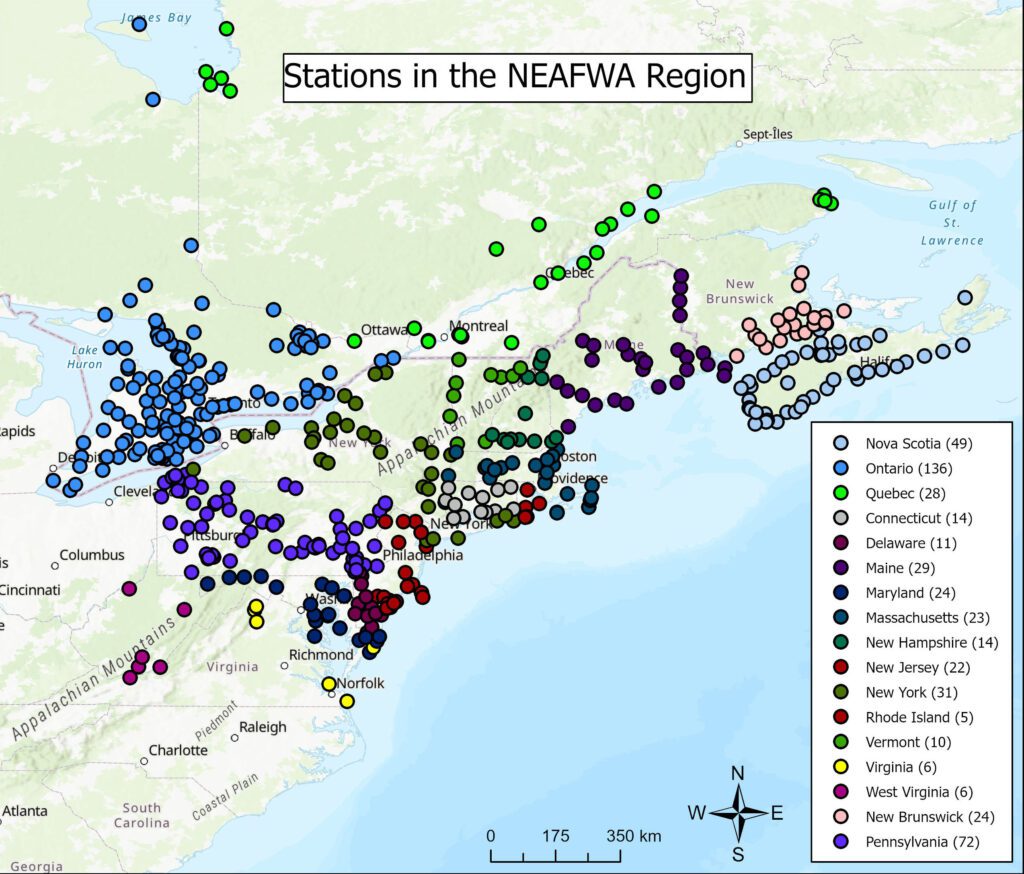
Map of northeastern US and southeastern Canada with dots representing Motus stations in the Northeast Association of Fish and Wildlife Agencies region

Explanations of networks benefit from maps or other graphic representations of linked participants. In the case of a recent bulletin describing regional growth within the international research network known as the Motus Wildlife Tracking System, the inclusion of a map helps ground updated information about the program to the landscape.

The collaborative effort, known informally as simply Motus, a Latin word for movement, was founded by the bird conservation organization, Birds Canada in 2014, and has grown to involve hundreds of partners among scientific and educational institutions, government agencies, and independent researchers.

The ground-breaking work of Motus involves the use of automated radio telemetry to track the migratory movements of free-flying birds, bats, and insects. After an animal under study is safely captured, fitted with a highly miniaturized transmitter, known as a nanotag, and released, the creature’s flight movements are electronically detected and recorded whenever it passes within nine miles of strategically placed antennas mounted on low, just-above-tree-canopy-height receiving stations.

Carnegie Museum of Natural History is a Motus partner through the work of staff at its Powdermill Avian Research Center who have installed 136 receiving stations from western Maryland through Maine and continue to monitor 50 receiving stations from southwestern Pennsylvania up through western New York along the Adirondack Mountains. 

Although Motus stations are in place across the Western Hemisphere landmass from Nunavut, Canada, to southern Chile, the world’s densest concentration of them is found in the thirteen U.S. states and five Canadian provinces that make up the network’s Northeast Collaboration. The 504 tower sites in this territory represent one third of the global total, and since 2017 have logged more than 170 million nanotag detections. This tracking has involved more than 4,700 tagged individuals of 147 species of birds contributing vital information to 194 different research projects.

Ongoing maintenance and technological upgrades will be necessary for the Northeast Motus Network to continue generating research findings that inform conservation initiatives. As Jon Rice, the Museum’s Urban Bird Conservation Coordinator explains, “As this network reports findings for museum research into both the survivorship of window collisions and stopover behavior for species of greatest conservation need, it simultaneously supports ongoing research for countless other projects in the western hemisphere. The real power of this technology isn’t captured by the map. It’s our ability to help our neighbors using the same resources we are using to perform our own novel research.”

Patrick McShea is an Educator at Carnegie Museum of Natural History.

Related Content

A Taste for Metal

Milestones at Powdermill’s Banding Lab

Ruffed Grouse or Scarlet Tanager: Debating the Pennsylvania State Bird

Carnegie Museum of Natural History Blog Citation Information

Blog author: McShea, Patrick
Publication date: July 17, 2023

Share this post!

  • Share on Twitter Share on Twitter
  • Share on Facebook Share on Facebook
  • Share on Pinterest Share on Pinterest
  • Share on LinkedIn Share on LinkedIn
  • Share on Reddit Share on Reddit
  • Share via Email Share via Email

Filed Under: Blog Tagged With: Birds, Jon Rice, parc, Pat McShea, Powdermill Nature Reserve, Science News

  • « Go to Previous Page
  • Page 1
  • Interim pages omitted …
  • Page 7
  • Page 8
  • Page 9
  • Page 10
  • Page 11
  • Interim pages omitted …
  • Page 25
  • Go to Next Page »

sidebar

About

  • Mission & Commitments
  • Directors Team
  • Museum History

Get Involved

  • Volunteer
  • Membership
  • Carnegie Discoverers
  • Donate
  • Employment
  • Events

Bring a Group

  • Groups of 10 or More
  • Birthday Parties at the Museum
  • Field Trips

Powdermill

  • Powdermill Nature Reserve
  • Powdermill Field Trips
  • Powdermill Staff
  • Research at Powdermill

More Information

  • Image Permission Requests
  • Science Stories
  • Accessibility
  • Shopping Cart
  • Contact
  • Visitor Policies
Stay in the loop! Sign up for our newsletter(s).
One of the Four Carnegie Museums | © Carnegie Institute | Privacy Policy | Terms of Use | Accessibility
Rad works here logo